
Tools
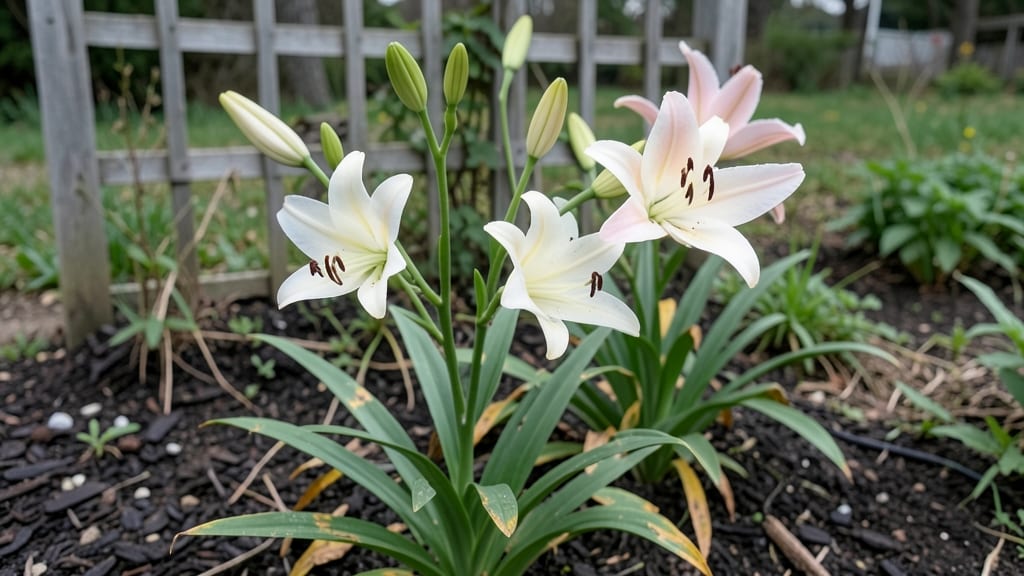
A backyard lily garden transforms any space into a fragrant, bold statement with minimal effort—just dig, plant, and watch them thrive. 🌸 I’ve designed lily beds that bloom from early summer through fall, using varieties like Asiatic lilies for their vibrant colors and Oriental lilies for their intoxicating scent.
The secret? Grouping them by height and color, with taller types at the back and shorter ones in front for a layered effect.
You’ll need well-draining soil, full sun for at least six hours a day, and a little patience—most lilies take a year to establish before their first big show.
I’ve found that adding a layer of mulch keeps roots cool and suppresses weeds, while companion plants like daylilies or ornamental grasses fill gaps between blooms. The result? A garden that feels lush and intentional without requiring constant upkeep.
By mid-summer, your yard will be alive with jewel-toned blooms—deep reds, sunny yellows, and soft pinks—that attract hummingbirds and butterflies. The fragrance alone makes it worth the effort, especially when you’re relaxing on the patio surrounded by their sweet, heady scent.
Plus, lilies multiply over time, so you’ll have more to share (or move) each year.
Whether you’re starting from bulbs or dividing existing clumps, this approach works for small urban yards or spacious backyards. The key is choosing the right varieties for your climate—some handle heat better, others prefer cooler summers.
Let’s get your lily garden planned so you can enjoy those bold blooms all season long.
📚 In This Guide
- What you need
- Instructions
- Tips and common mistakes
- Wrapping up and next steps
What you need
- ● Lily bulbs: Choose 10–20 bulbs (depending on garden size) of your favorite varieties (e.g., Asiatic, Oriental, or Trumpet lilies). Opt for dormant bulbs (sold in fall/winter).
- ● Garden soil or potting mix: 2–3 cubic yards (for in-ground planting) or 10–20 bags (for containers). Use well-draining soil with a pH of 6.0–7.0.
- ● Compost or organic matter: 1–2 bags to enrich soil fertility.
- ● Garden trowel or bulb planter: For digging holes (6–8 inches deep).
- ● Gloves: Heavy-duty gardening gloves to protect hands.
- ● Watering can or hose with a gentle spray nozzle: Lilies need 1–2 inches of water weekly.
- ○ Mulch (optional but recommended): 2–3 bags of straw or pine bark to retain moisture and suppress weeds.
- ● Fertilizer: Slow-release bulb fertilizer (e.g., 10-10-10) or compost tea for a natural boost.
- ● Stakes or cages: For tall varieties (e.g., Oriental lilies) to prevent flopping in wind.
- ● Landscape fabric: To block weeds if planting in-ground.
- ● Decorative stones or edging: For a polished, low-maintenance border.
- ● Pruners: For trimming spent blooms to encourage reblooming.
Step-by-Step instructions for planting a backyard lily garden
Here's the straightforward approach I use to create a stunning lily garden that thrives with minimal daily effort.
🌱 Step 1: Choose the Perfect Location and Prepare the Soil
Lilies need 6+ hours of direct sunlight daily, so pick a spot that gets morning sun and afternoon shade if you live in a hot climate. I always test the soil first—dig a small hole, fill it with water, and time how long it takes to drain. If it holds water for more than 30 minutes, your soil is too dense, and you'll need to improve drainage.
Use the 5 gallons of compost to amend the soil in a 2-foot wide by 4-foot long area (that's enough for 4 plants). Mix it into the top 6 inches of soil thoroughly. Lilies prefer slightly acidic to neutral soil, so if your soil is alkaline, add a bit of peat moss to the mix. The goal is loose, well-draining soil that won't suffocate the roots.
🪴 Step 2: Plant Lily Bulbs at the Right Depth and Spacing
Lily bulbs should be planted 4-6 inches deep—that's about twice the height of the bulb itself. I like to plant them in early spring, just as the soil warms up, or in the fall, about 6 weeks before your first frost date. Space the bulbs 6-12 inches apart in rows 12 inches apart to give them room to grow.
Place each bulb in the hole with the pointed end facing up. If you're unsure which end is up, don't worry—lilies will grow regardless, but they'll bloom more reliably if planted correctly. Cover the bulb with soil and water it gently but thoroughly. You'll see new growth within 2-4 weeks, signaling that the bulb is settling in.
☀️ Step 3: Mulch and Water for Strong Growth
Spread the 2 bags of mulch evenly over the soil surface, leaving a 2-inch gap around the stems to prevent rot. Mulch helps retain moisture and keeps the soil temperature stable. Lilies need 1-1.5 inches of water per week, either from rain or supplemental watering. Water deeply once a week rather than lightly every day—this encourages deep root growth.
Check the soil moisture by sticking your finger 2 inches deep. If it feels dry, it's time to water. Avoid getting water on the leaves to prevent fungal diseases. Once the plants are established (after the first year), they'll be more drought-tolerant, but consistent watering in the first season is key to getting them off to a strong start.
✂️ Step 4: Support and Maintain for Long-Lasting Blooms
As your lilies grow, you'll notice the stems can get top-heavy, especially in windy conditions. Install 4 stakes (1 per plant) or use small garden cages to support the flowers. Place the stakes about 4 inches from the base of the plant and gently tie the stems to them as they grow. This keeps the blooms upright and prevents damage.
Deadhead spent blooms by cutting the flower stalk back to just above the first set of leaves. This redirects the plant's energy into next year's blooms and keeps the garden looking tidy. In late fall, after the foliage turns yellow and dies back, cut it down to about 2 inches tall but leave the bulbs in the ground—they'll naturalize and multiply over time.
Tips & tricks for perfect backyard lily garden planting
Creating a thriving lily garden starts with these key strategies that'll help you avoid common pitfalls and set your plants up for success.
Soil Drainage is Non-Negotiable: That 30-minute drainage test in Step 1 is critical—if water pools longer than that, your lilies will rot. For heavy clay soil, mix in additional perlite or coarse sand to improve drainage. I've seen bulbs fail in poorly drained soil even when everything else was perfect.
Timing Matters: Planting in early spring or 6 weeks before frost gives your bulbs the best chance to establish roots. If you're unsure about your frost date, check local weather records or ask your local nursery. The 2-4 week window for initial growth is your best indicator that everything's on track.
Mulch Like a Pro: Those 2 bags of mulch aren't just for looks—they create a stable soil temperature and retain moisture. Spread it evenly but leave that 2-inch gap around stems to prevent rot. I like to use shredded bark mulch because it breaks down slowly and improves soil structure over time.
Support System Secret: The 4 stakes you'll install in Step 4 aren't just for show—they prevent wind damage and keep blooms upright for better photosynthesis. I recommend using biodegradable stakes that won't need removing later. For windy areas, consider adding a second stake per plant for extra stability.
Pro Tips for Backyard Lily Garden
- Creating a thriving lily garden starts with these key strategies that'll help you avoid common pitfalls and set your plants up for success.
- Soil Drainage is Non-Negotiable: That 30-minute drainage test in Step 1 is critical—if water pools longer than that, your lilies will rot.
- Timing Matters: Planting in early spring or 6 weeks before frost gives your bulbs the best chance to establish roots.
Frequently asked questions
Got questions about creating your dream backyard lily garden?
Here are answers to the most common ones—so you can dive in with confidence!
What’s the best time of year to plant lilies in my backyard garden?
For most lilies (like Asiatic or Oriental varieties), aim for early fall (4–6 weeks before the first frost) or early spring (as soon as the soil is workable). This gives roots time to establish before extreme heat or cold. Bulbs planted in fall often bloom earlier the following year!
How often should I water my lilies, and do they need special care?
Lilies are drought-tolerant once established, but water deeply 1–2 times per week during their first growing season. After that, 1 inch of water weekly (or less in rainy climates) is plenty. Pro tip: Avoid overhead watering to prevent fungal diseases—stick to soaker hoses or drip irrigation at the base!
Are lilies toxic to pets or kids? Should I worry about pests?
Yes, lilies are toxic to cats, dogs, and small children if ingested (can cause vomiting or skin irritation). Keep them in pet-safe areas or opt for non-toxic alternatives like daylilies (Hemerocallis). As for pests, lily beetles and aphids can be pesky—handpick them or use neem oil spray for organic control.
Can I grow lilies in containers, or do they need a garden bed?
Lilies thrive in containers (12+ inches deep) with well-draining soil. Use terracotta pots for better airflow, and add a layer of gravel at the bottom to prevent root rot. Just ensure the container gets 6+ hours of sunlight daily. Perfect for patios or balconies!
Do lilies come back every year, or are they annuals?
Most lilies (except true lilies like Lilium species) are perennial—they’ll return year after year with proper care! After blooming, leave the foliage until it yellows (this feeds the bulb for next season). In cold climates, mulch around the base in winter for extra protection.
How can I extend my lilies’ blooming season?
Choose early-, mid-, and late-season varieties (e.g., Stargazer lilies bloom late summer; Martagon lilies bloom mid-summer). Deadhead spent blooms to encourage second flushes, and fertilize lightly with balanced 10-10-10 in early spring. Bonus: Plant near sun-loving companions (like lavender or salvia) to attract pollinators!
Wrapping up and next steps
Creating a backyard lily garden is easier—and more rewarding—than you might think! With minimal effort, you’ve unlocked a space that bursts with color, fragrance, and natural beauty. Whether you’re drawn to the drama of daylilies or the elegance of true lilies, your garden is now a low-maintenance masterpiece.
Ready to take the next step? Start small—pick one variety to experiment with, or mix a few for a stunning palette. Then, share your progress with fellow gardeners or join a local gardening group for tips and inspiration. Your backyard oasis is just a season away! 🌸