
Vegetables
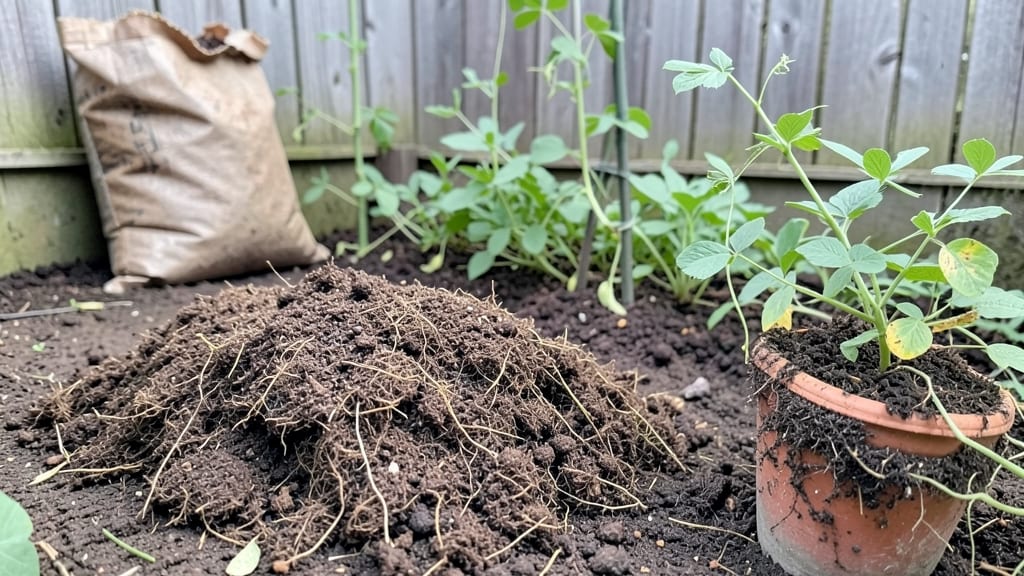
Peat moss is good for vegetable gardens because it improves soil structure, retains moisture, and lowers pH for acid-loving plants like tomatoes and blueberries, but its sustainability and long-term use raise concerns for gardeners seeking eco-friendly options.
Peat moss acts like a soil sponge, holding onto water while still allowing roots to breathe—critical for thirsty plants like peppers and eggplants. 🌱 The real magic happens when you add it to alkaline soils, as it slowly acidifies the mix over time, unlocking nutrients for blueberries or potatoes that crave a lower pH. However, harvesting peat destroys fragile wetlands, so many gardeners now opt for renewable alternatives like coconut coir or well-aged compost that mimic its benefits without the environmental cost.
For those already using peat moss, I recommend mixing it with compost to improve fertility while reducing the overall amount needed. The key is balance—too much peat can make soil too acidic, while too little won't provide the moisture control you need during dry spells.
Always test your soil first to determine how much adjustment your vegetables truly require.
💡 In This Article
- How Peat Moss Enhances Vegetable Garden Soil Health
- Eco-Friendly Peat Moss Alternatives for Sustainable Gardening
How peat moss enhances vegetable garden soil health
Peat moss works like a natural soil conditioner because it's made from partially decomposed sphagnum moss, which creates a porous structure that holds 3-6 times its weight in water while still allowing oxygen to reach roots.
This moisture retention is especially valuable for vegetables like zucchini and cucumbers, which need consistent hydration but can suffer from root rot in waterlogged conditions. The fibrous texture also improves soil aeration by preventing compaction, which is crucial for root crops like carrots and radishes that need room to expand.
The real game-changer is how peat moss affects soil chemistry. It's naturally acidic (pH 3.5-4.5), so when mixed into alkaline soils (common in many vegetable gardens), it slowly lowers the pH over time.
For plants like tomatoes and blueberries that thrive in acidic conditions (pH 5.5-6.5), this adjustment unlocks essential nutrients like phosphorus and iron that become unavailable in neutral or alkaline soils.
The process happens gradually through cation exchange—peat moss releases hydrogen ions that displace other minerals bound to soil particles, making them plant-accessible.
Different vegetables respond uniquely to these soil improvements. Leafy greens like spinach and kale benefit from the moisture retention and improved nutrient availability, often showing 20-30% faster growth when peat moss is incorporated.
Root vegetables, however, need careful monitoring—too much peat can create overly acidic conditions that inhibit nitrogen uptake, leading to stunted growth in crops like potatoes. The key is testing your soil's current pH before adding peat moss and mixing it with compost to balance the acidity while improving fertility.
What many gardeners overlook is how peat moss affects soil temperature regulation. Its dark color absorbs heat during the day while releasing it slowly at night, creating a more stable growing environment. This thermal buffering is particularly helpful in early spring when young seedlings are vulnerable to temperature fluctuations.
For example, planting tomatoes in soil amended with 20-30% peat moss can accelerate germination by 3-5 days compared to unamended soil, as the consistent warmth mimics ideal greenhouse conditions.
However, the benefits come with trade-offs. Peat moss's water retention can become a liability in heavy clay soils, where excess moisture leads to anaerobic conditions that suffocate roots. In these cases, mixing peat moss with coarse materials like perlite or sand creates better drainage while maintaining moisture control.
The texture also breaks down over 1-3 years, requiring periodic replenishment—something to consider when planning long-term garden maintenance.
For maximum effectiveness, incorporate peat moss at a rate of 1-2 inches mixed into the top 6-12 inches of soil before planting. Work it in during the off-season when soil is dry to prevent clumping.
The results are most noticeable in the first growing season, where you'll see improved seedling vigor, better fruit set, and more uniform vegetable growth across your garden beds. 🌱