Advice
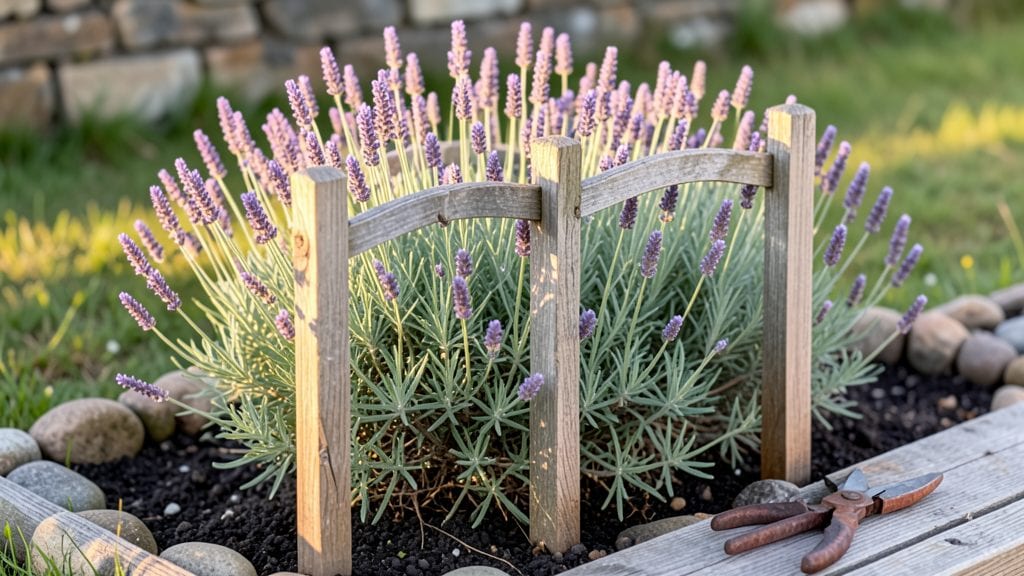
The average cost of a garden ranges from $300 to $1,500 to set up, depending on size, soil prep, plants, and tools. Small vegetable gardens start at $100, while mid-sized ornamental gardens can reach $1,000+, excluding ongoing costs like watering and fertilizing.
The cost of creating a garden depends heavily on what you're planting and how big it is. 🌱 For example, a 10x10-foot vegetable patch might cost around $200-$400 if you start with seeds and use affordable soil amendments, while a 20x30-foot ornamental garden could easily climb to $1,000-$2,000 due to higher-quality plants, hardscaping, and professional installation.
Regional differences also play a big role—labor costs in urban areas can double what you'd pay in rural settings.
What many beginners overlook are the hidden expenses like irrigation systems or pest control measures. These extras can add 20-50% to your initial budget, depending on how elaborate your garden design is. I always recommend setting aside an extra $100-$300 for unexpected costs, especially if you're working with limited experience.
💡 In This Article
- Factors Influencing Garden Costs by Type and Size
- Budget-Friendly Garden Setup Tips for Beginners
Factors influencing garden costs by type and size
Garden budgets vary dramatically based on the type of plants you choose. A vegetable garden typically costs less to start than an ornamental landscape because vegetables often begin with seeds ($0.50-$5 per packet) while flowers and shrubs require mature plants ($5-$50 each).
Herb gardens fall in between, with seedlings costing $3-$15 per plant but offering year-round harvests. The key factor is plant lifespan—perennials like lavender or asparagus cost more upfront ($10-$30 each) but return for years, while annuals like marigolds ($2-$8 per plant) require yearly replacement.
Soil preparation accounts for 30-50% of initial costs, especially in urban areas where native soil is often compacted or nutrient-poor. A 10-foot square vegetable bed might need 2 cubic yards of compost ($100-$200) or 1 yard of topsoil ($50-$150) to improve drainage and fertility.
In contrast, native plant gardens may require minimal amendments if you're establishing a meadow-style space. Regional pricing swings wildly—bagged compost costs $0.30/lb in rural areas but can reach $0.75/lb in cities due to transportation costs.
Size directly impacts tool and material expenses. A 4x4-foot raised bed needs 4 cedar boards ($50-$100) and 2 cubic feet of soil, while a 10x20-foot in-ground garden might require 100+ pounds of mulch ($50-$150) and a $200 irrigation system.
Labor costs vary by region too—professional installation for a 500-square-foot landscape can range from $1,500 in rural areas to $4,000 in urban centers.
Climate zones also matter: drought-resistant plants ($8-$25 each) save water costs in arid regions, while tropical plants ($15-$50 each) may require special soil mixes.
Here's what's actually happening with plant selection: Seeds offer 90% savings over seedlings but require 6-8 weeks of germination time. For example, a 10-pack of tomato seeds costs $2, while 10 seedlings cost $20-$30. The trade-off is faster harvests with transplants.
Perennials like rosemary ($5-$10 per plant) establish roots quickly but take 2-3 years to reach full maturity, while annuals like zinnias ($2-$5 per plant) bloom immediately but must be replanted yearly. The science here is root development—perennials invest energy in underground growth first.
Don't overlook regional material costs either. In the Pacific Northwest, cedar mulch costs $4-$6 per bag due to local sourcing, while in the Southeast, pine bark mulch is $3-$5 per bag.
Tools follow similar patterns—a high-quality shovel might cost $25 in a big-box store but $50+ at a specialty nursery. The best strategy? Buy seeds locally, use free mulch from fallen leaves, and check Craigslist for secondhand tools. This can cut your initial budget by 30-40% without sacrificing quality.
What most people don't realize is how climate affects long-term costs. In Zone 5, you might spend $150 on winter protection for tender plants, while Zone 10 gardeners invest in shade cloth ($50-$150) to protect from intense sun.
The upfront cost differences can seem small, but these decisions compound over years. For example, a $200 investment in shade cloth might save $500 in plant replacements over five years in a hot climate.