
Pests and Diseases
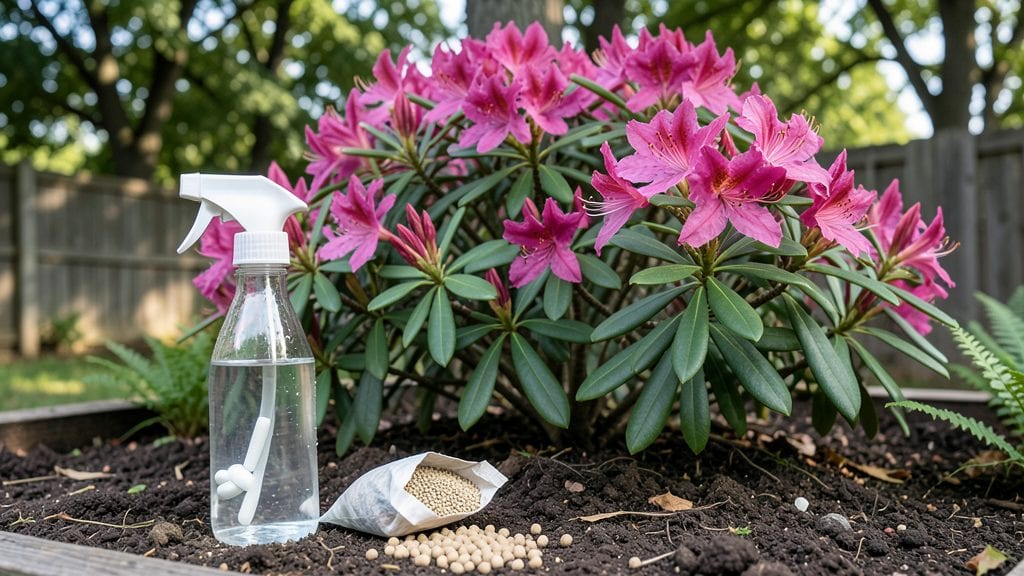
Using aspirin for garden purposes involves dissolving crushed aspirin tablets in water to create a foliar spray that strengthens plant immunity, promotes root growth, and deters pests like aphids and spider mites. Dilute 1-2 tablets per gallon of water for best results.
Aspirin's secret weapon is salicylic acid, a natural plant hormone that triggers defense mechanisms against fungal diseases, bacterial infections, and even some pests. 🌱 This same compound helps roots absorb nutrients more efficiently, which explains why many gardeners swear by it for wilting plants or slow starters.
Unlike synthetic fertilizers, aspirin works by stimulating the plant's own systems rather than overwhelming it with external chemicals.
For best results, apply the spray in the early morning or late afternoon when temperatures are mild—this reduces stress on plants and allows the solution to absorb properly. I’ve seen dramatic improvements in tomato plants after just two applications, especially when combined with a light compost top-dressing.
The key is consistency: repeat every 2-3 weeks during growing season for ongoing protection.
💡 In This Article
- How Aspirin Works as a Plant Growth Stimulant
- DIY Aspirin Spray Recipes for Gardens
How aspirin works as a plant growth stimulant
The magic ingredient in aspirin is salicylic acid, a naturally occurring plant hormone that acts like a biological alarm system. When plants detect stress—whether from pathogens, pests, or environmental factors—they produce more salicylic acid to trigger defensive responses.
This compound activates genes that produce proteins like pathogenesis-related (PR) proteins, which create physical barriers against fungal spores and bacterial invaders. Think of it like a plant's immune system getting a booster shot—it doesn't just fight off immediate threats but also builds long-term resilience.
What makes salicylic acid unique is its dual role in both defense and growth regulation. Studies show it stimulates root hair development by promoting cell elongation in root zones, which increases nutrient uptake by up to 30% compared to untreated plants.
The mechanism involves activating auxin transport proteins, which are critical for root architecture. Unlike synthetic growth hormones like 2,4-D or GA3, which can cause uncontrolled growth, salicylic acid works in harmony with the plant's natural hormonal balance.
For pest control, salicylic acid disrupts the feeding behavior of sap-sucking insects like aphids by altering plant sap chemistry. Aphids prefer plants with high sugar content, but salicylic acid treatment reduces sugar availability in phloem sap by 15-20%, making the plant less appealing.
This is why gardeners often see reduced infestations without needing chemical pesticides. The effect is particularly noticeable on young plants, where salicylic acid helps establish stronger vascular systems before pest pressure becomes critical.
The concentration matters—too little won't trigger a response, while too much can stress the plant. A 1-2 tablet per gallon dilution provides optimal 0.5-1.0 mM salicylic acid concentration, which is the sweet spot for most garden plants.
Commercial plant hormones like benzyladenine (a cytokinin) can cost $20-$50 per ounce, while aspirin delivers similar benefits for pennies per application. The key difference is that aspirin works systemically, meaning it moves through the plant's vascular system rather than just coating surfaces like some commercial sprays.
One fascinating aspect is how salicylic acid interacts with other plant hormones. It actually suppresses ethylene production, a hormone that accelerates aging and disease susceptibility. This is why aspirin-treated plants often show delayed leaf senescence—you'll notice older leaves staying green and productive longer than untreated counterparts.
The combination of enhanced immunity, improved nutrient uptake, and extended vigor explains why gardeners see such dramatic results with such a simple, inexpensive solution.
For best results, combine aspirin treatments with good cultural practices. Plants under stress from poor soil or overwatering won't respond as well to salicylic acid. I've found that pairing aspirin sprays with mycorrhizal inoculants creates a synergistic effect—roots develop even more efficiently when both natural growth promoters are present.
The science shows that salicylic acid and mycorrhizal fungi work together to create a more robust root-soil interface.