
Tools
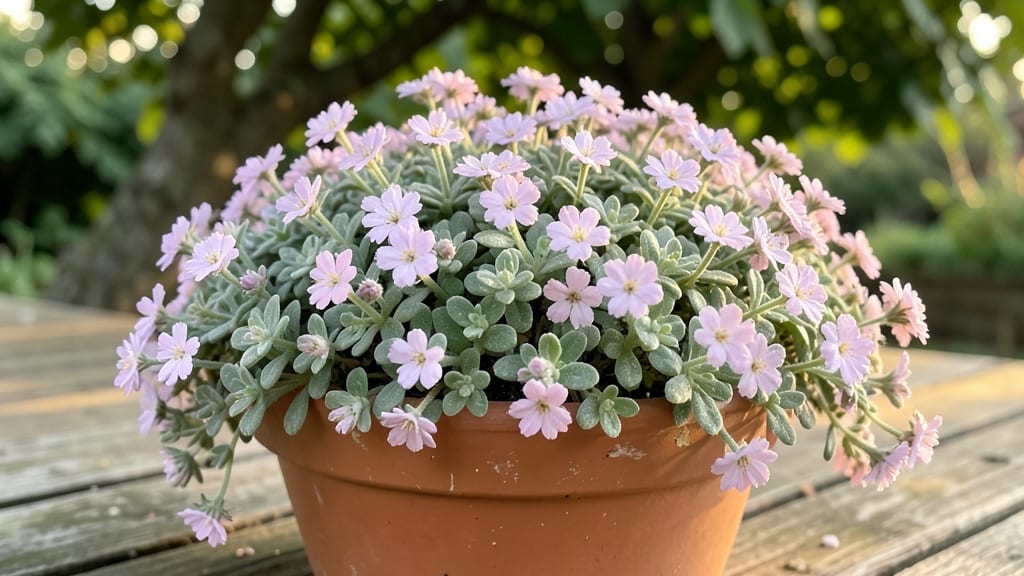
Alyssum in garden spaces transforms dull corners into fragrant, pest-repelling havens with its delicate blooms and sweet honey scent. 🌿 I first spotted it spilling over a neighbor’s stone path, and the moment I inhaled that fresh, almost citrusy aroma, I knew it belonged in my own landscape.
It’s not just pretty—it’s a natural pest deterrent that keeps aphids and whiteflies at bay while attracting bees and butterflies.
The beauty of alyssum lies in its versatility. Use it as a lush ground cover under roses or shrubs, where its low-growing habit suppresses weeds and adds texture. Or try it in colorful borders along walkways, where its tiny flowers create a soft, carpet-like effect.
Pair it with lavender for a fragrant duo or mix it with violas for a pop of contrasting colors—both combinations thrive in full sun to partial shade.
You’ll love how effortlessly it fills gaps between stepping stones or cascades over container edges, creating a pollinator-friendly oasis. The secret to keeping it vibrant? Deadhead spent blooms occasionally and water lightly—it’s drought-tolerant once established.
In just a few weeks, your garden will smell like a spring meadow, and pests will take a detour.
Perfect for cottage gardens, modern landscapes, or even urban balconies. Whether you’re softening a rocky bed or adding a sweet scent to a patio corner, alyssum delivers low-maintenance beauty with high impact. Ready to weave it into your design?
📚 In This Guide
- What you need
- Instructions
- Tips and common mistakes
- Wrapping up and next steps
What you need
- ● Alyssum seeds, cuttings, or nursery plants: Seeds: 1–2 grams per 10 sq ft (enough for a thick ground cover). Cuttings: 5–10 healthy stems (4–6 inches long). Plants: 1 per square foot (for dense coverage).
- ○ Soil preparation: Well-draining potting mix or garden soil (amend with compost for fertility). Optional: Slow-release fertilizer (5-10-5 ratio, 1 tbsp per sq ft).
- ○ Tools: Garden trowel or transplant spade. Pruners (for cuttings or trimming). Watering can or hose with a gentle spray nozzle. Gloves (optional, for seed handling).
- ● Mulch: Straw or shredded bark (1–2 inches) to retain moisture. Pest deterrents: Neem oil spray (for seedling protection). Support structures: Small stakes or cages (if growing upright varieties). Companion plants: Marigolds or lavender (to enhance pest control).
Step-by-step guide to planting alyssum for fragrant pest-repelling ground cover
This hardy annual thrives with minimal fuss while transforming your garden into a fragrant pest-free haven.
🌱 Step 1: Choose the Perfect Planting Location
Select a sunny spot receiving at least 6 hours of direct sunlight daily—alyssum blooms most profusely under full sun. The plant tolerates partial shade but may produce fewer flowers and grow leggier. I always choose areas with well-draining soil, as alyssum despises soggy roots that lead to rot.
Test your soil by squeezing a handful—if it stays compact when dry, amend with 1-2 inches of coarse sand or perlite to improve drainage. The ideal planting time is 2-4 weeks before your last frost date for spring blooms or late summer for fall color. This timing ensures strong root establishment before temperature swings.
💧 Step 2: Prepare the Soil and Sow Seeds
Loosen the top 6 inches of soil with a garden fork to create a seedbed. Alyssum seeds are tiny—1/16 inch in diameter—so I mix them with a little sand before scattering to avoid clumping. Scatter seeds 1/4 inch apart in rows 12-18 inches apart for a dense ground cover effect.
Cover seeds with 1/8 inch of fine soil or seed-starting mix—any deeper and they won't germinate. Lightly mist the area with water until the soil feels evenly moist but not saturated. You'll see sprouts in 7-14 days at 60-70°F soil temperatures, though germination can take longer in cooler conditions.
☀️ Step 3: Maintain Consistent Moisture and Light
Keep the soil consistently moist but never soggy during germination and the first 4-6 weeks of growth. Water deeply once weekly unless rainfall provides adequate moisture—alyssum's shallow roots need frequent hydration but hate waterlogged conditions. I water in the early morning to reduce evaporation and fungal risks.
Once seedlings reach 2 inches tall, thin them to 6-8 inches apart for optimal airflow and blooming. Use scissors to snip unwanted plants at soil level rather than pulling, which disturbs nearby roots. After thinning, fertilize lightly with a balanced 10-10-10 formula diluted to half strength to encourage lush, fragrant growth.
✂️ Step 4: Encourage Continuous Blooming and Pest Control
Deadhead spent blooms every 2-3 weeks by pinching off faded flowers with your fingers or small pruners. This simple step triggers continuous flowering throughout the season. Alyssum's sweet fragrance naturally repels aphids, whiteflies, and cabbage moths—plant it near susceptible vegetables like cabbage, kale, and broccoli for organic pest protection.
For a longer bloom season, lightly shear the plant back by one-third after the first flush of flowers. This encourages bushier growth and prevents the plant from becoming woody. Alyssum self-seeds readily, so you'll often find volunteers popping up the following year—just thin them in early spring to maintain your desired density.
🌿 Step 5: Overwinter and Renew for Next Season
In USDA Zones 8-10, alyssum may overwinter as a perennial. Cut back dead foliage in late winter and apply 1-2 inches of mulch to insulate roots. In colder zones, treat it as an annual and replant each spring. The plant's sweet honey-like scent attracts pollinators like bees and butterflies, making it a dual-purpose garden star.
To extend your display, succession plant seeds every 3-4 weeks through mid-summer. Mix varieties like Sweet Alyssum (Lobularia maritima) with Golden Alyssum (Aurinia saxatilis) for year-round color and texture contrast. With minimal care, alyssum transforms bare spots into a fragrant, pest-repelling carpet that's as functional as it is beautiful.
Tips & tricks for perfect alyssum planting
A few key strategies will help you maximize your alyssum's fragrant potential while avoiding common pitfalls that can ruin your pest-repelling ground cover.
Soil Temperature Matters: The 60-70°F soil temperature range mentioned for germination is non-negotiable. I've planted alyssum in cooler conditions and watched germination stretch to 21 days—almost double the expected 7-14 days. Use a soil thermometer to confirm temperatures, especially in spring or fall. If your soil runs cooler than 60°F, consider using a seedling heat mat for the first 10 days to jumpstart germination.
Seed Spacing Secret: Those 1/4-inch seed spacings might seem tight, but they're essential for creating that lush, carpet-like effect alyssum is famous for. I learned this the hard way by planting too far apart—my first attempt left visible gaps that weeds filled. For even coverage, mix your seeds with sand before scattering, then use a ruler to maintain consistent spacing. This technique also prevents accidental clumping that can lead to fungal issues.
Watering Wisdom: The "moist but never soggy" rule during the first 4-6 weeks is critical for preventing damping-off disease, which can wipe out seedlings overnight. I've found that using a gentle misting nozzle on your hose—rather than a sprinkler—gives you better control over moisture levels. Water in the early morning as specified, but be prepared to adjust if you're in a particularly humid climate where evening watering might promote fungal growth.
Continuous Blooming Hack: Don't wait until flowers fade to deadhead—start checking for spent blooms after just 3-4 weeks of growth. I've noticed that plants where I begin deadheading earlier produce flowers that are consistently brighter and more abundant. Use clean, sharp pruners or just your fingers to pinch off faded blooms at the base. This simple step can extend your flowering season by 3-4 weeks if done religiously every 2-3 weeks.
Pro Tips for Alyssum In Garden
- A few key strategies will help you maximize your alyssum's fragrant potential while avoiding common pitfalls that can ruin your pest-repelling ground cover.
- Soil Temperature Matters: The 60-70°F soil temperature range mentioned for germination is non-negotiable.
- Seed Spacing Secret: Those 1/4-inch seed spacings might seem tight, but they're essential for creating that lush, carpet-like effect alyssum is famous for.
Frequently asked questions
Got questions about growing alyssum in your garden?
Here are some of the most common ones—plus quick, practical answers to help you get the most out of this fragrant, pest-repelling ground cover.
When is the best time to plant alyssum?
Alyssum thrives in cooler weather, so plant it in early spring (as soon as the soil warms) or late summer to early fall for a fall-winter display. Avoid planting in scorching summer heat—it may struggle to establish roots. For year-round color, stagger plantings every 4–6 weeks.
Does alyssum really keep pests away?
Yes! Alyssum emits a mild scent that repels aphids, whiteflies, and cabbage moths. Pair it with other pest-deterring plants like marigolds or basil near veggie gardens for extra protection. While it won’t eliminate all pests, it’s a natural and pretty ally in your garden’s defense.
How much water does alyssum need?
Alyssum is drought-tolerant once established, but keep soil consistently moist (not soggy) for the first 2–3 weeks after planting. After that, water deeply but infrequently—about 1 inch per week. Overwatering can lead to root rot, so well-draining soil is key.
Can I grow alyssum in containers or hanging baskets?
Alyssum is perfect for containers and cascades beautifully in hanging baskets. Use a well-draining potting mix and pair it with other trailing plants like sweet potato vine or lobelia. Just ensure the container has drainage holes to prevent waterlogging.
Why is my alyssum not blooming?
If your alyssum is leafy but not flowering, it might be due to too much shade, over-fertilizing (which encourages foliage over blooms), or lack of deadheading. Move it to full sun to partial shade, use a low-phosphorus fertilizer, and snip spent flowers regularly to encourage new blooms.
Can I reuse alyssum from year to year?
Annual alyssum varieties (like Sweet Alyssum) won’t survive winter in most climates, but perennial types (like Alyssum saxatile) may return if protected with mulch. For annuals, save seeds or replant fresh each season—it’s easy and cost-effective!
Wrapping up and next steps
Adding alyssum to your garden isn’t just about beauty—it’s a fragrant, low-maintenance powerhouse that keeps pests at bay while enhancing your outdoor space. Whether you’re a seasoned gardener or just starting, this versatile plant offers easy care, natural pest control, and year-round charm.
Ready to transform your garden into a thriving, pest-free paradise? Start planting today and enjoy the sweet rewards of a healthier, happier garden! 🌸
- Next step: Pick your favorite variety and grab some seeds—your garden will thank you!