
Planting
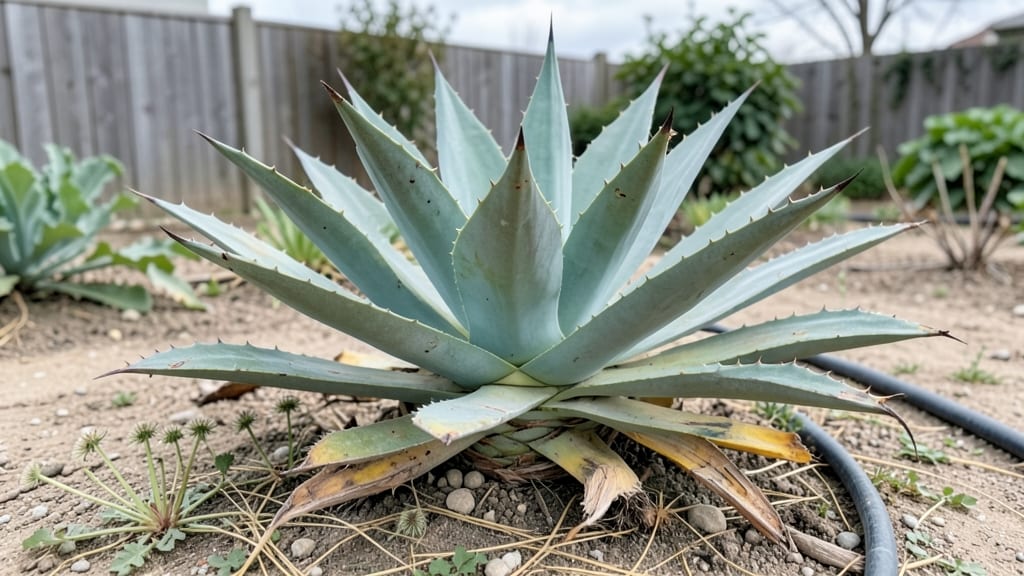
Zone 10 gardening thrives with drought-tolerant plants like bougainvillea, oleander, and succulents, while watering deeply at dawn or dusk minimizes evaporation. Mulching and shade cloth help protect roots from extreme heat and retain moisture for long-term success.
This high-heat gardening zone demands plants with built-in survival strategies—think agave and citrus trees, which store water in their thick leaves and roots while avoiding sunburn with waxy coatings. 🔥 The key isn't just picking the right species but also mimicking their natural growing conditions, like replicating the partial shade of their native forests with shade cloth.
Many gardeners overlook how soil temperature plays a role: even drought-tolerant plants struggle when roots bake above 90°F. That's why mulching with 3-4 inches of organic matter acts like a cooling blanket, keeping moisture locked in while preventing soil from cracking under relentless sun.
What separates thriving Zone 10 gardens from struggling ones often comes down to watering precision. Unlike cooler climates where frequent light watering works, these gardens need deep, infrequent soakings—think 1-2 inches per week—delivered when evaporation rates drop.
I've seen firsthand how drip irrigation systems with soil moisture sensors cut water waste by 40% while keeping roots hydrated exactly when they need it.
For tropical crops like hibiscus, the trick is balancing humidity: hand-watering foliage lightly in mornings prevents leaf scorch while maintaining the lush growth these plants crave.
💡 In This Article
- Climate Adaptations for Zone 10 Plant Survival
- Smart Watering Systems for Arid Zone Gardens
Climate adaptations for Zone 10 plant survival
Heat-resistant plants like agave and citrus have evolved sophisticated biological adaptations to survive Zone 10's relentless sun and dry conditions. The most critical mechanism is C4 photosynthesis, found in plants like agave and sorghum, which efficiently converts sunlight into energy even at high temperatures.
Unlike C3 plants (like tomatoes or lettuce), C4 plants minimize photorespiration—a process that wastes energy when oxygen levels rise above 21% in hot conditions. This allows them to thrive where traditional temperate plants would wilt, as they can continue photosynthesizing even when soil temperatures exceed 100°F.
Deep root systems are another game-changer, allowing plants to access moisture from 3-6 feet underground where temperatures remain stable. For example, citrus trees develop roots that stretch horizontally to capture water from wide areas, while their waxy leaf coatings reduce water loss through transpiration by up to 40%.
These adaptations create a self-sustaining system: less water loss means plants can survive longer droughts, and deeper roots help them recover quickly after infrequent waterings. 🔥 The contrast with temperate plants is stark—species like roses or hydrangeas have shallow roots and thin leaves that dry out rapidly in Zone 10's intense sunlight.
Soil temperature plays an equally crucial role in plant survival. When surface soil heats above 90°F, it disrupts root function and encourages harmful microbial activity.
This is why mulching with 3-4 inches of wood chips or straw is essential—it creates a cooling layer that maintains soil temperatures 10-15°F cooler than exposed ground. The organic matter also slowly releases moisture as it breaks down, providing a steady water supply during dry spells.
Without this protection, even drought-tolerant plants struggle to establish strong root systems, leading to stunted growth and increased vulnerability to pests.
Traditional temperate plants fail in Zone 10 primarily due to three factors: excessive moisture loss, heat stress, and soil overheating. Plants like impatiens or snapdragons lack the waxy leaf coatings that reduce evaporation, causing them to lose 20-30% more water daily than native species.
Their shallow root systems also make them susceptible to root rot during occasional heavy rains, while their thin leaves burn easily under 110°F+ sunlight. The solution isn't just choosing heat-resistant species but also replicating their growing conditions—partial shade, consistent moisture, and protected roots—through techniques like shade cloth and proper mulching.
One fascinating adaptation is how some Zone 10 plants store water internally. Succulents like prickly pear cacti can hold up to 90% of their weight in water in their stems, while agave plants develop thick, fleshy leaves that act as reservoirs.
This water storage capability allows them to survive weeks without rainfall, a trait that makes them ideal for low-maintenance gardens. In contrast, temperate plants like coleus or ferns rely on frequent watering to maintain their delicate structures, making them poor candidates for Zone 10's unpredictable rainfall patterns.
Understanding these adaptations helps gardeners make smarter plant choices and implement protective strategies. For instance, pairing citrus trees with shade cloth during their establishment phase mimics the partial shade they'd receive under native forest canopies.
Meanwhile, grouping plants with similar water needs together—like succulents with bougainvillea—creates microclimates that conserve moisture and reduce maintenance. The key insight is that Zone 10 gardening succeeds when we work with nature's designs rather than against them. ✨