
Pests and Diseases
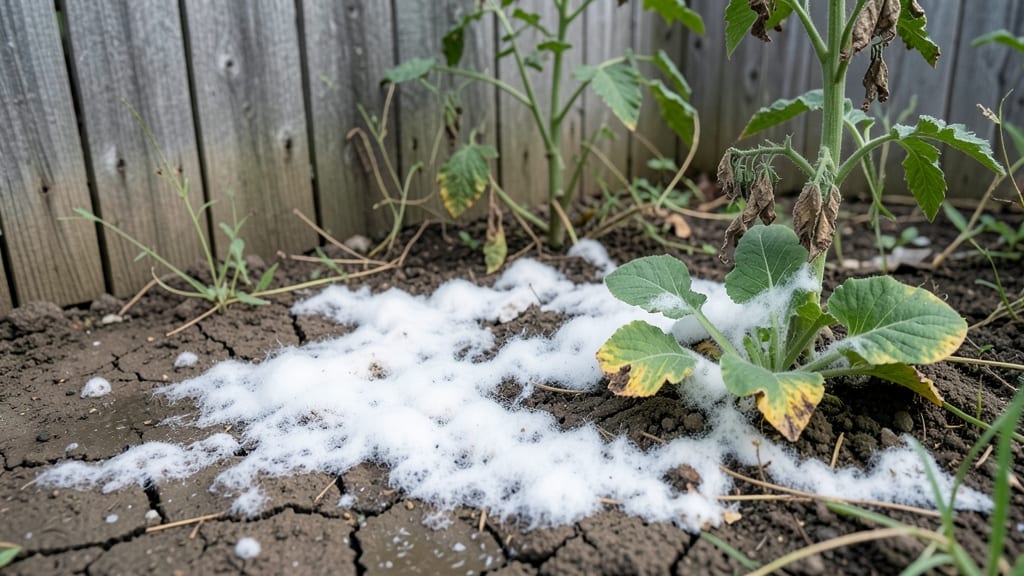
That white powdery film on your leaves isn’t just unsightly—it’s white garden mold stealing your plants’ energy. 🌱 I’ve battled this fuzzy invader on roses, squash, and even my prized basil, and the vinegar-baking soda blend saved my garden faster than I expected.
The key? Spotting it early and acting before it spreads to every plant.
Most gardeners mistake this for harmless lichen or dust, but it’s actually powdery mildew—a fungal infection that thrives in shady, damp spots. Poor airflow or overwatering turns your garden into its perfect buffet.
I learned the hard way when my zucchini plants looked like they’d been dusted with flour, then wilted overnight. The fix? A simple spray that cuts through the problem without harsh chemicals.
You’ll see results after just one application—leaves will stop yellowing, and new growth will push through clean and vibrant. The blend works because vinegar disrupts the fungus’s cell walls while baking soda creates an alkaline environment it can’t survive in.
Plus, it’s safe for most plants once fully dried, so you can spray in the evening and harvest the next morning.
This method works for powdery mildew, downy mildew, and even early-stage black spot, but keep an eye on humidity levels. If the mold keeps returning, it’s time to prune crowded foliage and improve airflow—your plants will thank you with stronger stems and bigger blooms.
Let’s get that garden back to its full glory.
The Hidden Triggers Behind Fungal Growth
If you’ve ever spotted a fuzzy white film creeping across your soil, leaves, or mulch, you’re likely dealing with a type of fungal growth—often mistaken for mold but technically a saprophytic fungus thriving in your garden.
Understanding why it happens is the first step to stopping it before it spreads. Below, we break down the key culprits and their scientific backstories.
Fungi love moisture and warmth—think of them as the picky eaters of the microbial world. When temperatures hover between 60°F and 85°F (15°C–30°C), fungal spores wake up, germinate, and start feasting on organic matter. Here’s why this combo is so dangerous:
- High humidity (above 70%) creates a waterlogged environment where fungal hyphae (thread-like roots) spread rapidly. Even morning dew can trigger growth if it lingers.
- Poor airflow traps moisture near the soil surface. Dense mulch, overcrowded plants, or shaded areas block circulation, turning your garden into a fungal greenhouse.
- Organic debris buildup (like fallen leaves, grass clippings, or old plant matter) acts as a buffet for fungi. Decaying material releases sugars and nutrients that fuel their growth.
Actionable fix: Space plants for airflow, water in the morning (not evening), and remove debris promptly. A dehumidifier or fan in greenhouses can also disrupt fungal party vibes. 🌬️
While plants need water, excessive moisture suffocates beneficial microbes and hands fungi a winning edge. Here’s how overwatering backfires:
- Waterlogged soil cuts off oxygen, creating anaerobic conditions where fungi thrive while aerobic (oxygen-loving) bacteria struggle.
- Fungal spores are often water-dispersed. Heavy irrigation or overhead watering splashes spores onto leaves and stems, kickstarting infections.
- Compacted soil from frequent watering prevents drainage, trapping moisture at the surface—ideal for mold colonies to take root.
Actionable fix:
- Test soil moisture with your finger—water only when the top 1–2 inches are dry.
- Use drip irrigation instead of sprinklers to avoid wetting foliage.
- Amend soil with perlite or compost to improve drainage.
If your garden’s drainage is worse than a clogged sink, fungi will move in faster than weeds in a crack. Poor drainage stems from:
- Clay-heavy soil, which repels water instead of absorbing it, leading to surface puddles.
- Lack of organic matter, causing soil to become hydrophobic (water-repellent) over time.
- Low-lying or sloped areas where water pools, creating permanent damp zones.
Actionable fix:
- Add sand or coconut coir to clay soil to loosen compaction.
- Create raised beds in problem areas to elevate plants above water.
- Install French drains or swales to redirect excess water.
While compost is a gardener’s gold, too much organic debris becomes a fungal smorgasbord. Here’s why:
- Decomposing matter releases simple sugars (like glucose) that fungi metabolize 10x faster than plants or bacteria.
- Thick mulch layers (over 3 inches) block oxygen, turning mulch into a fungal breeding ground.
- Fresh wood chips or sawdust break down slowly, creating a low-oxygen, acidic environment fungi adore.
Actionable fix:
- Use aged compost (not fresh manure or green waste) to avoid nutrient spikes.
- Mulch in thin layers (1–2 inches) and keep it 3 inches away from plant stems.
- Chop up debris into smaller pieces to speed decomposition and reduce fungal food sources.
💡 Pro Tip: If you’re prone to fungal issues, rotate crops annually—many fungi target specific plants (like tomatoes or peppers), and fresh soil disrupts their lifecycle. 🌱
Treat and Prevent Fungal Growth
Fungal growth in your garden doesn’t have to be a nightmare—with the right approach, you can banish it fast and keep it from coming back. Below, we’ll break down targeted fixes based on the root cause, plus preventive steps to protect your plants long-term.
Cause: Too much moisture creates the perfect breeding ground for mold spores. Fix:
- 🔥 Step 1: Reduce Watering – Let the top 1–2 inches of soil dry out before watering again. Adjust your schedule based on rainfall.
- 🍳 Step 2: Improve Drainage – Amend heavy clay soil with compost or perlite to help water drain faster. For containers, add gravel or sand to the bottom.
- 👨🍳 Step 3: Use Fungicide Sprays – Mix 1 part hydrogen peroxide (3%) to 4 parts water and spray affected areas. Reapply every 3–5 days until gone.
💡 Pro Tip: Water in the early morning so foliage dries quickly, reducing humidity around roots.
Cause: Dense planting or thick mulch traps moisture and blocks airflow. Fix:
- 🔪 Step 1: Thin Out Plants – Remove overcrowded stems or branches to allow air to flow freely.
- ⏰ Step 2: Adjust Mulch Depth – Keep mulch 2–3 inches deep (not piled against stems). Use straw or pine bark instead of thick layers of wood chips.
- 🌡️ Step 3: Prune Strategically – Trim back dead or diseased leaves and dispose of them in the trash (not compost).
✨ Prevention Hack: Install small fans on a timer near susceptible plants to keep air moving.
Cause: Leaves, plant waste, or old mulch create a moldy buffet. Fix:
- 🧹 Step 1: Remove Debris – Rake up fallen leaves, weeds, and plant scraps. Do not compost moldy material—toss it instead.
- 🔄 Step 2: Sterilize Tools – Clean pruners and rakes with rubbing alcohol (70% or higher) to prevent spreading spores.
- 🌱 Step 3: Refresh Mulch – Replace old mulch with fresh, dry options like cedar chips or coconut coir, which resist mold better.
🎯 Long-Term Tip: Use black plastic mulch in veggie beds to suppress weeds and reduce soil moisture.
Cause: High humidity + warm temps = mold party. Fix:
- 💦 Step 1: Water Less Frequently – Deep water once a week (or less) instead of daily shallow watering.
- 🌿 Step 2: Choose Mold-Resistant Plants – Opt for rosemary, lavender, or succulents, which thrive in drier conditions.
- 🌡️ Step 3: Use a Dehumidifier – If growing indoors, run a small dehumidifier near plants to keep humidity below 50%.
💡 Bonus: Baking soda spray (1 tsp baking soda + 1 quart water) can prevent mold on leaves—spray every 2 weeks as a shield.
| Action | How to Do It | Frequency |
|---|---|---|
| Test Soil Moisture | Stick your finger in soil—if damp past 1", wait to water. | Before watering |
| Inspect Weekly | Scan plants for fuzzy white spots early. | Every 7–10 days |
| Aerate Soil | Loosen soil with a fork if compacted. | Spring & fall |
| Rotate Crops | Avoid planting the same veggies in one spot yearly. | Annual |
| Boost Plant Health | Fertilize with compost tea for stronger roots. | Every 4–6 weeks |
Final Thought: The key is balance—too much water, not enough airflow, or ignored debris all invite mold. Act fast when you spot it, and adjust habits to stop it before it starts. Your garden (and plants) will thank you! 🌱
Frequently asked questions
Is white garden mold always harmful to plants?
Not all white growth is dangerous—lichen and moss are harmless and can even improve soil health. However, powdery mildew (a common fungal culprit) weakens plants by blocking sunlight and clogging pores. Test by gently scraping a small area: if it leaves a white residue, it's likely mold that needs treatment.
Why does vinegar kill mold but not baking soda?
Vinegar (acetic acid) disrupts fungal cell walls by lowering pH, while baking soda (sodium bicarbonate) creates an alkaline environment fungi can't survive in. Together, they create a double attack—vinegar breaks down the mold's structure, and baking soda prevents regrowth. Use a 1:1 ratio with water for best results.
Can I use this treatment on edible plants like tomatoes or herbs?
Yes, but rinse thoroughly before harvest. The vinegar-baking soda blend is safe once fully dried (wait 24 hours for leafy greens, 48 hours for fruits). Avoid spraying flowers if you want pollinators—opt for a baking soda-only solution (1 tsp per quart of water) for delicate plants.
Will this work on black spots or rust diseases too?
For black spot or rust, the same blend helps as a preventive measure, but severe cases may need copper fungicide. These diseases require different treatments—prune infected leaves immediately and improve airflow. The vinegar-baking soda mix works best for early-stage fungal prevention.
How often should I reapply the treatment?
Reapply every 7-10 days during active growth or after rain. For prevention, a monthly spray keeps mold at bay. Monitor humidity—if it stays above 70% for days, increase frequency. Always spray in the morning so leaves dry quickly.