
Picking
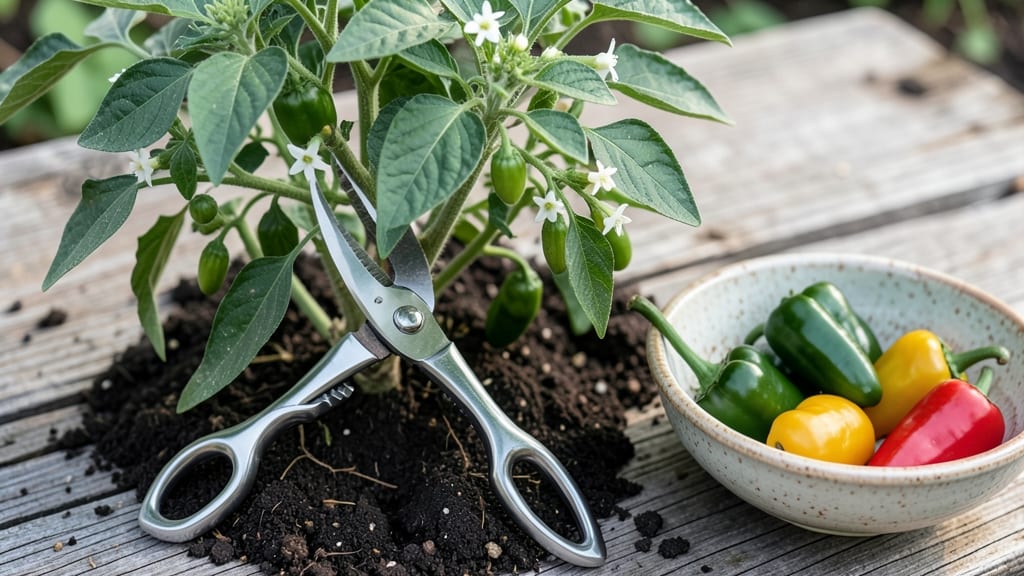
Picking garden salsa peppers at the right moment ensures the boldest heat and sweetest flavor—wait too long, and you’ll end up with wrinkled, bitter pods instead.
Picture this: you’ve nurtured your 🌶️ salsa pepper plants all spring, and now July rolls around with clusters of vibrant peppers. But how do you know when they’re truly ready? One wrong move, and your homemade salsa could taste like disappointment instead of dinner-party fame.
In Zone 6a, where spring planting kicks off in April, peppers typically reach peak ripeness between July and October. The secret lies in watching for three key signals: color, size, and firmness.
A deep, consistent hue (red, yellow, or purple, depending on the variety) paired with a slight give when gently squeezed means it’s time to harvest.
Below, I’ll walk you through exactly what to look for—plus how to test ripeness like a pro, avoid common mistakes, and even preserve your harvest for months. No more guesswork, just flavor-packed peppers every time.
Salsa pepper ripeness stages: visual & tactile clues for perfect harvest
Knowing exactly when to pick your garden salsa peppers transforms your harvest from mediocre to mouthwatering. Unlike bell peppers, which are best picked green, salsa peppers develop their signature heat and sweetness as they mature.
The key lies in watching for visual color shifts, size consistency, and texture changes—each stage signals a different flavor profile.
Most salsa pepper varieties (like jalapeño, serrano, or habanero) start green but ripen to red, yellow, or purple. However, some—like cherry peppers—remain green when ripe. Understanding these ripeness stages ensures you harvest at peak flavor, whether you're making fresh salsa or drying peppers for later use.
Heat development is another critical factor. Capsaicin, the compound responsible for spiciness, increases as peppers mature. A green jalapeño might clock in at 2,500–5,000 Scoville Heat Units (SHU), while a ripe red one can hit 8,000 SHU or more. For dried peppers, like those used in chiles secos, waiting for full color ensures maximum potency.
| Stage | Color | Size | Texture | Heat Level | Best For |
|---|---|---|---|---|---|
| Immature (Green) | Solid green | Small, 1–2 inches | Hard, glossy skin | Mild (2,500–5,000 SHU) | Pickling, fresh salsa (less heat) |
| Turning (Half-Ripe) | Green with color bands | 2–3 inches | Slightly softer, slight give | Moderate (5,000–10,000 SHU) | Balanced fresh use |
| Mature (Fully Ripe) | Deep red/yellow/purple | 3–4+ inches | Soft, slightly wrinkled | High (8,000–30,000+ SHU) | Drying, hot sauces, storage |
| Overripe | Dull, faded color | Soft, shriveled | Mushy, wrinkled skin | Peaky, bitter | Avoid—use for compost |
At the immature stage, peppers are firm and bright green, often used for pickling or mild salsas. This is when most home gardeners make their first harvest, but these peppers lack the complex sweetness and heat intensity of fully ripe ones.
If you're growing jalapeños, for example, picking them at this stage means missing out on the deeper flavor that develops as they ripen.
When peppers reach the turning stage, color bands appear where the skin meets the stem. This is your cue to start checking texture and size more closely. A gentle squeeze should reveal a slight give—like pressing a ripe avocado.
At this point, heat levels rise significantly, making them ideal for fresh salsa or grilling. I’ve found that serrano peppers at this stage offer the perfect balance of heat and crunch for my favorite pico de gallo.
The mature stage is where salsa peppers truly shine. Look for a deep, consistent color—whether red, yellow, or purple—across the entire pepper. The skin should yield slightly when pressed but still feel firm. This is when capsaicin production peaks, delivering the boldest flavors.
For drying peppers, harvest at this stage to preserve maximum heat and sweetness. Pro tip: Habaneros at this stage can reach 100,000–350,000 SHU, so handle them with gloves if you’re sensitive to spice!
If you miss the mature window, peppers can become overripe, losing their crisp texture and developing a bitter, watery interior. Overripe peppers are best used immediately in cooked dishes or composted.
I’ve learned this the hard way—once, I let my jalapeños sit too long, and they turned mushy, ruining a batch of homemade hot sauce. Always harvest before peppers start to wrinkle or soften excessively.
For fresh use, like slicing into salsa or stuffing, peppers at the turning or mature stage work best. Their crisp texture and balanced heat make them ideal for raw applications. However, if you're planning to dry or ferment your peppers, wait until they’re fully colored.
Dried peppers concentrate flavors, so starting with ripe ones ensures a richer end product. I dry my <
How to test pepper ripeness: the 3 key methods for gardeners
Knowing when to pick garden salsa peppers ensures maximum flavor and heat. Unlike tomatoes, peppers don’t soften as they ripen—instead, they develop capsaicin (heat) and sweetness at specific stages.
Mastering these three ripeness tests will help you harvest at peak perfection, whether you're making fresh salsa or drying for later use.
Most gardeners focus on color changes, but true ripeness involves texture, stem separation, and flavor. For example, a jalapeño might turn red, but if you pick it too late, it loses crispness.
Meanwhile, heat production peaks just before full color development in many varieties. Let’s break down the three foolproof methods to test ripeness accurately.
-
1. The Squeeze Test
Gently press the pepper with your thumb. A ripe pepper should feel firm but slightly yielding—like a ripe avocado. If it’s rock-hard, it’s underripe; if it’s mushy, it’s overripe. -
2. Stem Separation Method
Grasp the pepper near the stem and twist gently. A ripe pepper’s stem should snap cleanly from the plant. If it resists, wait 1-2 days. This indicates the pepper has reached peak capsaicin production. -
3. Flavor Sampling
Cut open a pepper and taste it! The sweetness-to-heat ratio should balance perfectly. If it’s too bitter, it’s overripe; if it’s watery or bland, it’s underripe. For maximum heat, harvest when the pepper is 80-90% fully colored.
For jalapeños and serranos, harvest when they’re green to light green for fresh salsa—they’ll ripen off the vine but lose crispness quickly. For red varieties like poblanos, wait until they’re fully colored, as heat intensifies during the color change.
Pro tip: Harvest in the morning when peppers are coolest for freshest flavor.
If you’re growing peppers for drying, let them ripen fully on the vine—they’ll develop richer flavor and deeper color. However, avoid leaving them past their prime, as they’ll become leathery and lose sweetness.
For maximum capsaicin, pick when the pepper is firm but slightly soft—this is when the heat compounds peak.
Remember, consistency is key. Check your peppers every 2-3 days during peak harvest season (July-September in most zones). Overripe peppers won’t magically improve—they’ll just get softer and less flavorful. Use these methods to time your harvests perfectly and enjoy peppers bursting with bold flavor and heat.
🌶️