
Picking
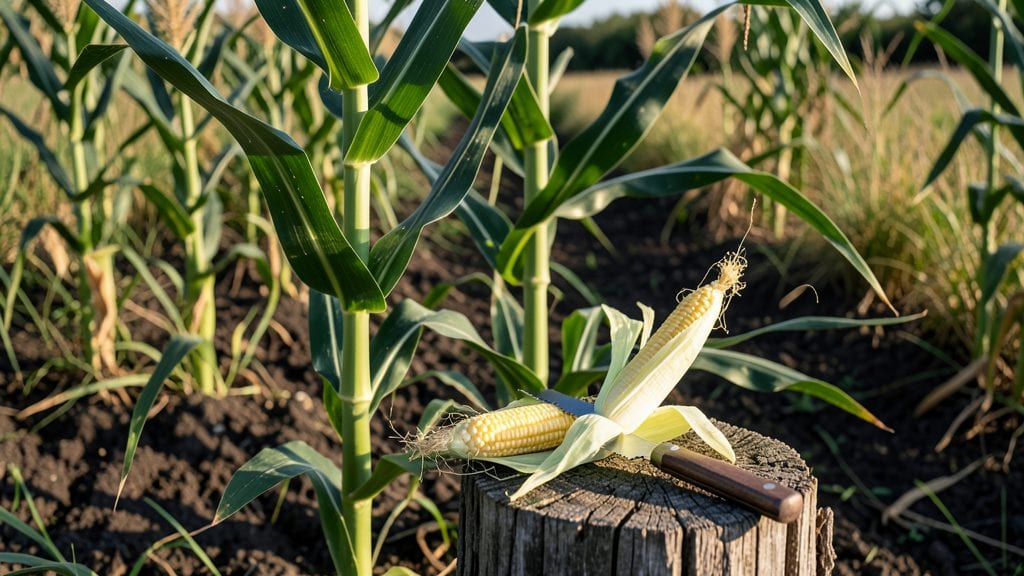
Picking corn from your garden at the right time turns a simple harvest into a flavor explosion—when the kernels are plump, milky, and bursting with that perfect crunch.
There’s nothing worse than biting into a garden-fresh ear of corn only to find it past its prime—starchy, tough, and lacking that perfect sweetness. Timing is everything, and missing the 3-day window for peak corn harvest can turn a homegrown delight into a disappointing meal.
In USDA Zone 6a, where spring planting kicks off in mid-April and harvests roll in by late July, knowing the exact signs—like dried silks, plump kernels, and a milky liquid when pierced—makes all the difference. Here’s how to spot that sweet spot and lock in the best flavor.
You’ll learn the three key tests for ripeness, how weather affects timing, and even a quick trick to revive slightly overripe ears. By the end, you’ll never second-guess when to pull that golden ear from the stalk.
How to identify the perfect 3-Day harvest window for sweet corn
Sweet corn reaches its peak flavor in just a 3-day window, making timing critical for that perfect garden-fresh taste. If you harvest too early, the kernels stay hard and bland, while waiting too long turns them starchy and tough.
The key is learning to read your plants’ signals—silk color, kernel development, and even weather patterns all play a role in determining the ideal moment.
Most corn varieties take 60–90 days to mature, but the 3-day harvest window opens only when the plant signals readiness through visual and physical cues. Ignoring these signs can mean the difference between a juicy, sweet ear and one that’s past its prime.
Start by checking the silks—they’re your first clue to timing.
| Harvest Signal | Description | Action |
|---|---|---|
| Silk Color | Dry, brown, and crispy (not green or sticky) | Check daily once silks turn brown |
| Kernel Development | Plump, milky liquid when pierced (not clear or starchy) | Harvest within 3 days of milk line appearance |
| Husk Condition | Tight but slightly loose at the base | Peel back husk to inspect kernels |
| Ear Weight | Feels heavy and full for its size | Harvest when ears feel dense |
| Weather Impact | Cool nights and warm days accelerate ripening | Adjust harvest timing for extreme heat/drought |
Begin by inspecting the silks—the thread-like strands that emerge from the top of the ear. When they first appear, they’re bright green and moist, but as the corn matures, they dry out and turn brown and crispy.
This transformation marks the start of your 3-day harvest window. Once the silks are fully brown, the kernels are rapidly converting starches into sugars, so act quickly.
Next, focus on the kernels themselves. Peel back the husk and press a kernel gently with your thumbnail. If it yields slightly and releases a milky liquid, that’s the milk stage—the sweetest point.
If the liquid is clear, the corn is overripe; if it’s hard with no liquid, it’s underripe. This milk line test is your most reliable indicator of peak ripeness.
Don’t overlook the husks, either. They should feel tight but slightly loose at the base of the ear. If they’re still tightly wrapped, the corn may need another day or two.
If they’re loose and dry, you’ve missed the window. The husks protect the ear, and their condition reflects the corn’s readiness.
Weather plays a surprising role in your 3-day harvest window. Hot, dry conditions can speed up ripening, while cool, cloudy weather slows it down. If you’re experiencing a heatwave, check your corn more frequently—it may ripen faster.
Conversely, if temperatures drop, extend your window slightly. Always harvest in the morning when sugars are at their peak.
Pro tip: If you’re unsure whether your corn is ready, harvest a few ears and test them. The 3-day window is flexible, but once the kernels turn yellow or the husks dry completely, the corn loses its sweetness.
Store any unripe ears in the fridge for a day or two—they’ll continue to sweeten slightly.
Finally, consider the plant’s overall health. If the lower leaves are yellowing or the stalk feels weak, the corn may not have developed properly. Healthy plants with vibrant green leaves and sturdy stalks produce the sweetest ears. Pay attention to these signs to avoid disappointment at harvest time.
With these cues in mind, you’ll never miss the 3-day harvest window again. The combination of brown silks, milky kernels, and tight husks ensures you pick your corn at its peak. Happy harvesting! 🌽
Common mistakes that ruin your corn’s sweetness (and how to avoid them)
Even with perfect growing conditions, your corn can lose its prized sweetness if you miss the harvest window or mishandle storage. Overripe corn turns starchy and mealy, while underripe ears stay tough and bland.
The 3-day sweetness window is critical—once missed, flavor declines rapidly, even if the corn looks fine. Let’s break down the biggest mistakes and how to avoid them.
First, many gardeners pick corn based on days after planting rather than visual cues. While most varieties mature in 60–90 days, heat waves or drought can speed up ripening, while cooler weather slows it down.
Relying solely on a calendar means you might harvest too early or too late. Instead, focus on kernel development and silk condition—these are your best indicators of true readiness.
Another common error is ignoring the hot water soak after harvest. Soaking freshly picked corn in water heated to 110–120°F for 30–60 seconds helps preserve sweetness by slowing sugar conversion. Without this step, corn loses 50% of its sweetness within 24 hours of picking.
Even if you plan to eat it immediately, a quick soak makes a noticeable difference in flavor and texture.
⚠️ Don’t Pick Corn Too Late!
Once corn reaches full maturity, sugars convert to starches at an alarming rate—losing sweetness within 2–3 days. Look for these overripe signs:
- Dry, brittle silks that crumble easily
- Kernels that dent when pressed (like a ripe avocado)
- Husks pulling back from the ear, exposing kernels
- Starchy, chalky taste when sampled
Pro Tip: If you’re unsure, harvest a test ear—if it’s past its prime, the rest will follow within 48 hours.
Storage mistakes also play a huge role in flavor loss. Many gardeners assume the fridge will preserve corn indefinitely, but even refrigerated ears lose sweetness over 3–5 days. For longer storage, freezing is best: Blanch corn for 4–5 minutes, then shock in ice water before freezing.
This method maintains sweetness for up to 12 months, making it ideal for bulk harvests. If you must store in the fridge, wrap ears in a damp paper towel inside a plastic bag to slow moisture loss.
Finally, harvesting at the wrong time of day can reduce sweetness. Corn accumulates sugars during daylight, so pick ears in the late morning when sugar levels peak. Avoid harvesting in hot afternoons (sugars convert faster) or early mornings (sugars haven’t peaked yet).
Even a 2-hour difference in harvest time can impact flavor—this is especially true for sweet corn varieties like ‘Silver Queen’ or ‘Peaches and Cream’, which are bred for peak sweetness.
By avoiding these common pitfalls—picking at the wrong stage, skipping the hot water soak, mishandling storage, or harvesting at the wrong time—you’ll keep your corn sweet, tender, and full of that garden-fresh flavor for days after harvest.
The key is observation and timing, so keep an eye on those silks and kernels! 🌽