
Watering
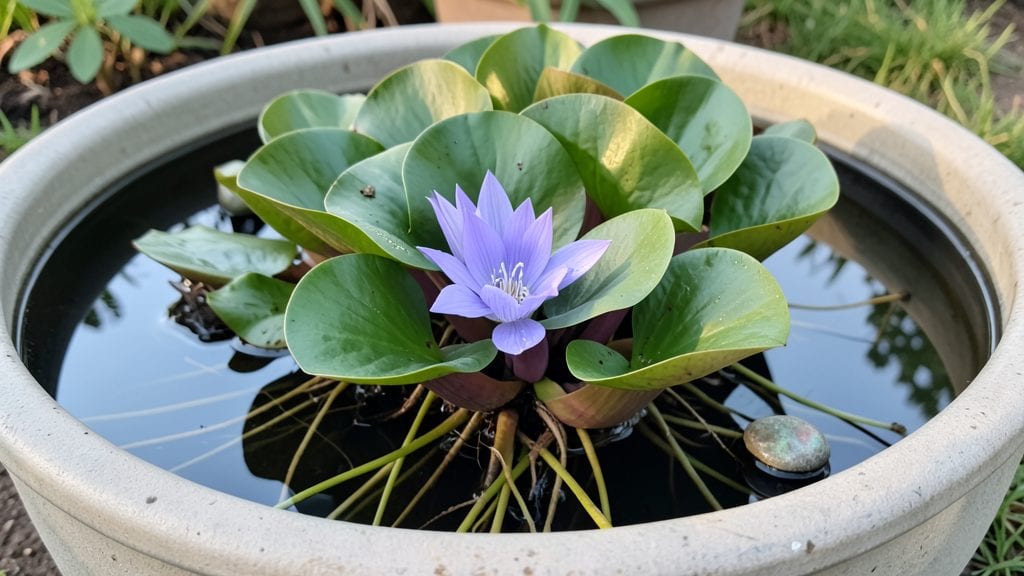
A water garden tub is your perfect mini-ecosystem for aquatic plants and fish, needing at least a 12-gallon capacity and deeper sides to keep water oxygenated. Opt for pre-formed or DIY tubs with proper drainage, stock it with hardy plants like water lilies or lotus, and keep maintenance simple with regular water refreshes and algae checks to avoid imbalance.
A water garden tub lets you create a self-contained aquatic world right in your backyard. 🌿 The right size matters—deeper tubs prevent stagnation while wider surfaces support more plant life. I’ve found that fiberglass tubs hold temperatures better in cooler climates, while plastic options are lighter for easy moving.
For plants, floating varieties like water hyacinth help shade the water and reduce algae naturally, while rooted plants like lotus add beauty and oxygenate efficiently. The key to long-term success? A balance of shade and sunlight, plus weekly checks for debris or overgrowth.
💡 In This Article
- Selecting the Right Water Garden Tub Size and Materials
- Best Low-Maintenance Plants and Fish for Small Water Garden Tubs
Selecting the right water garden tub size and materials
The dimensions of your water garden tub directly impact oxygen levels, temperature stability, and ecosystem health. A minimum depth of 18 inches is critical—shallower tubs (12 inches) risk stagnant water and poor oxygen circulation, especially in summer when surface evaporation increases.
Deeper tubs also allow for better thermal mass, helping maintain water temperatures between 65-75°F, which is ideal for most aquatic plants and fish.
Think of it like a fish tank: the deeper the water, the more stable the environment, similar to how a large pond maintains cooler temperatures than a small bowl.
Surface area matters just as much—wider tubs (3 feet diameter) provide more space for plant roots and fish movement, reducing stress.
For example, a 24-inch deep tub with a 4-foot diameter holds about 400 gallons, enough for 3-4 small koi or a dozen goldfish while supporting submerged plants like hornwort.
Materials also play a role: Fiberglass tubs retain heat better in cold climates but require sturdy bases due to their weight (up to 500 lbs when full), while HDPE plastic tubs are lighter (200 lbs) and more portable but may need insulation in winter.
Drainage and weight distribution are often overlooked but crucial. A tub without proper drainage can become a breeding ground for mosquitoes, while poor weight distribution may cause cracking over time. For outdoor setups, ensure your tub sits on a level, concrete pad or gravel base to prevent sinking or shifting.
If using a pre-formed liner, check for UV resistance—cheaper liners degrade in 2-3 years under sunlight, while reinforced EPDM liners last 10+ years. The material choice also affects maintenance: fiberglass requires less cleaning than plastic, which can develop algae hotspots in crevices.
Temperature regulation is another key factor, especially in seasonal climates. Water absorbs heat slowly but loses it just as gradually—this is why tubs in full sun can reach 85°F in summer, stressing fish and promoting algae blooms.
To mitigate this, add 30% shade coverage with floating plants or a partial canopy. In winter, a submersible heater (50-100W) can prevent freezing in colder regions, where temperatures drop below 40°F. The right tub material can also help: fiberglass insulates better than plastic, reducing temperature swings by 5-10°F daily.
Consider your setup's mobility needs too. A 100-gallon plastic tub can be moved with a dolly, while a 500-gallon fiberglass tub requires heavy equipment. If you plan to relocate your water garden seasonally, opt for modular components like removable liners or stackable plastic tubs.
For permanent installations, fiberglass or pre-cast concrete tubs offer durability but require professional installation due to their weight. The trade-off? Concrete tubs can last 20+ years with minimal maintenance, while plastic tubs may need replacement every 5-7 years due to UV exposure.
Here’s a quick comparison to help decide:
- Fiberglass: Best for temperature stability, lasts 15-20 years, but heavy (500+ lbs when full). Ideal for permanent setups.
- HDPE Plastic: Lightweight (200 lbs), portable, but may need insulation in winter. Lifespan: 5-10 years.
- Pre-Formed Liners: Flexible, customizable shapes, but require sturdy bases. Best for DIYers with 100-300 gallon setups.
Ultimately, your choice depends on your climate, space, and how much maintenance you’re willing to handle. A deeper tub with proper insulation will save you time and effort in the long run, while a wider surface area lets you grow more plants and accommodate larger fish.
Start with what fits your space, then adjust based on how your ecosystem evolves—you’ll learn what works best over time! 🌊