
Tools
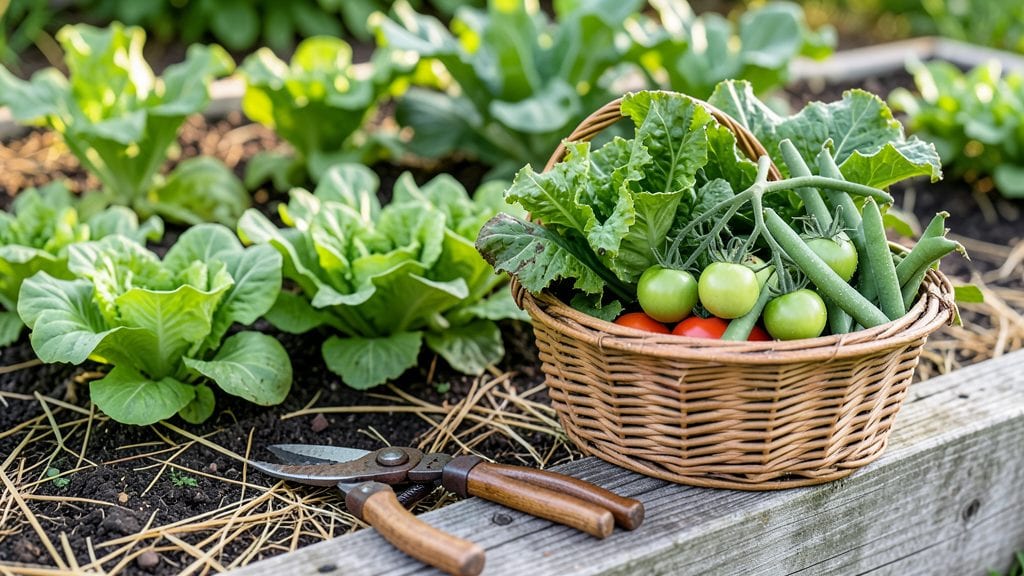
A victory garden, often called a homegrown food plot, serves as a practical way to grow fresh produce locally. 🌱 During WWII, these gardens became a symbol of patriotism, with families cultivating vegetables to support the war effort.
Today, they're making a comeback as people seek to reduce their carbon footprint and reconnect with nature through gardening. Whether you have a backyard or just a balcony, starting one is simpler than you might think—many modern gardeners begin with easy-to-grow herbs and leafy greens.
What sets these gardens apart is their focus on community and resilience. Unlike traditional ornamental gardens, victory gardens prioritize function over form, proving that even small spaces can yield big harvests.
The movement has evolved to include urban farming initiatives and school gardens, showing how this concept remains relevant in today's world.
💡 In This Article
- Origins of Victory Gardens in Wartime America
- Modern Victory Gardens: How to Start Your Own
Origins of victory gardens in wartime America
Victory gardens first took root in America during World War I (1917-1918) when the U.S. Food Administration launched the "Food Will Win the War" campaign, encouraging families to grow vegetables to free up commercial crops for soldiers.
By World War II, the movement exploded—over 20 million gardens were planted across the U.S., producing roughly 40% of the nation's vegetables during the war years. The U.S. Office of War Information even distributed seed packets and gardening guides, framing these plots as a patriotic duty.
The gardens' success hinged on resource conservation. With shipping disrupted by the war, transporting food across oceans became unreliable. Victory gardens cut food miles dramatically—tomatoes grown in a backyard in Ohio required no fuel to reach a family's table, unlike those shipped from California.
The government even promoted "meatless Mondays" and "wheatless Wednesdays," redirecting grain and protein toward the war effort while victory gardens filled the nutritional gap. 🌱
Propaganda played a crucial role in their adoption. Posters like "Plant a Garden—Grow Your Share" featured rosy-cheeked families harvesting carrots, while radio broadcasts taught listeners how to compost. Schools participated too, with children growing "school victory gardens" to learn about agriculture.
The psychological impact was massive—families felt they were directly contributing to the war effort, boosting morale while reducing pressure on strained supply chains.
What makes WWII's victory gardens unique is their scale and coordination. Unlike earlier efforts, this time the government provided detailed planting charts tailored to each region's climate, ensuring families grew crops that would thrive.
For example, Northern states focused on potatoes and cabbage, while Southern gardens prioritized sweet potatoes and collard greens. This precision helped gardens yield 9-10 million tons of produce annually—enough to feed millions.
Interestingly, similar programs emerged globally during WWII. In Britain, "Dig for Victory" campaigns covered 1.4 million gardens, while Canada's "Victory Gardens" produced 40% of the country's vegetables**. These efforts proved that even in urban areas, small plots could make a massive difference.
After the wars, many families continued gardening, laying the groundwork for today's urban farming and food sovereignty movements.
The legacy of wartime victory gardens lives on in modern community gardens and sustainable agriculture initiatives. Their core principle—growing food locally to build resilience—remains as relevant today as it was in the 1940s. 💛