Planting
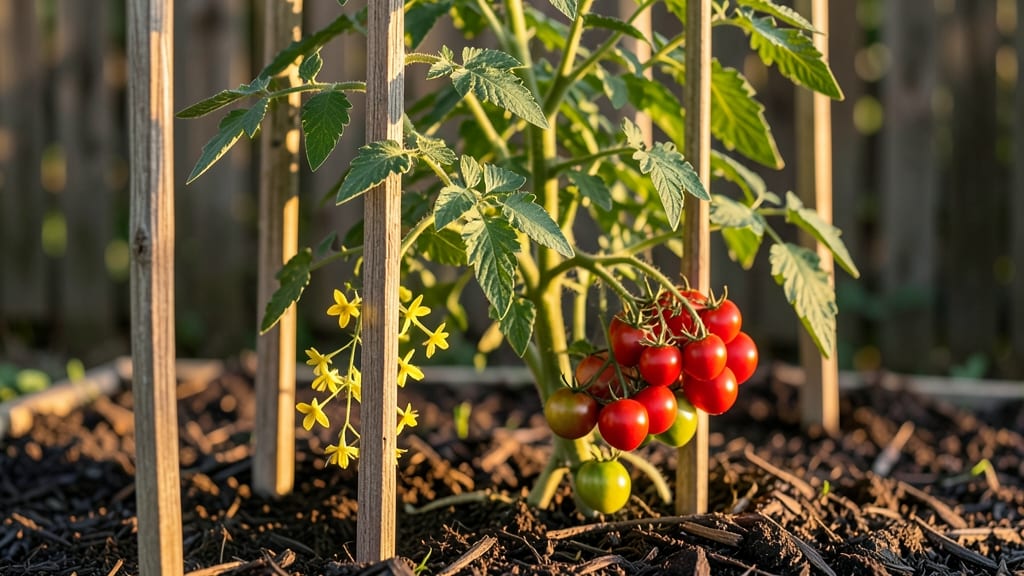
Proper tomato garden spacing is the difference between a bountiful harvest and a few sad fruits hiding under sprawling vines 🍅.
Struggling with poor tomato yields? The secret might be hiding in your garden layout—not just your soil or sunlight. Proper spacing determines air circulation, sunlight exposure, and even disease resistance, all of which directly impact your harvest.
In Zone 6, where spring planting kicks off in April-May, getting this right means the difference between 60-day cherry tomatoes and a few blighted leaves by July. Too close, and your plants fight for nutrients; too far apart, and you waste precious garden real estate.
Below, I’ll break down the exact spacing for determinate (bush) vs. indeterminate (vining) varieties, plus how to tweak it for containers, trellises, and even small urban gardens. Ready to turn your tomato patch into a powerhouse?
Optimal tomato plant spacing by variety type (determinate vs indeterminate)
Understanding the difference between determinate (bush) and indeterminate (vining) tomatoes is key to maximizing your harvest. Determinate varieties stop growing at a certain height and produce fruit all at once, while indeterminate types keep growing and produce continuously. This difference directly affects how much space each plant needs to thrive.
Proper spacing isn't just about fitting more plants in your garden—it's about giving each tomato plant the airflow, sunlight, and root room it needs to develop strong stems, healthy leaves, and abundant fruit.
Crowding plants leads to poor air circulation, which increases the risk of fungal diseases like early blight and powdery mildew, while over-spreading vines can shade out neighboring plants.
Here's how to space your tomato plants based on their growth habit, with specific guidelines for popular varieties like Roma, Cherry, and Beefsteak:
For determinate tomatoes, like the popular Roma variety, tighter spacing works because they grow in compact bushes. Planting them 18-24 inches apart in rows 24-36 inches apart gives them enough room to develop their full yield without crowding.
These varieties produce all their fruit at once, so proper spacing ensures each plant supports its heavy load without toppling over.
Indeterminate varieties, such as Beefsteak tomatoes, require significantly more space because they grow continuously throughout the season. Giving them 30-36 inches between plants and 48-60 inches between rows prevents their sprawling vines from competing for sunlight and nutrients.
Without adequate space, indeterminate tomatoes often produce smaller fruit and are more susceptible to diseases that thrive in damp, shaded conditions.
If you're growing cherry tomatoes, which are typically indeterminate, you can space them slightly closer (18-24 inches apart) since their smaller fruit doesn't require as much structural support. However, even these compact varieties benefit from 24-30 inches between rows to allow for easy harvesting and maintenance.
Cherry tomatoes also thrive when trained on cages or trellises, which can help you save space in small gardens.
One common mistake gardeners make is assuming that more plants equal more tomatoes. In reality, overcrowding leads to poor fruit quality, reduced yields, and increased disease pressure.
For example, planting indeterminate tomatoes too closely can result in vines shading each other, which weakens the plants and reduces fruit production. Always follow the spacing guidelines for your specific variety to ensure healthy growth and a bountiful harvest.
Another tip: if you're working with limited space, consider growing determinate varieties in containers or using vertical gardening techniques for indeterminate types. For instance, you can train vining tomatoes to grow up a trellis or fence, which not only saves space but also improves airflow around the plants.
Just be sure to leave enough room between trellises to allow for proper maintenance and harvesting.
When planning your tomato garden, also consider the direction of your rows. In the Northern Hemisphere, plant rows from north to south to maximize sunlight exposure for all plants.
This simple adjustment can make a big difference in how evenly your tomatoes ripen and how much you can grow in a small space.
Finally, remember that proper spacing isn't just about the numbers—it's about creating an environment where your tomato plants can thrive. By giving them the right amount of room, you'll enjoy healthier plants, fewer pests and diseases, and a harvest that's the envy of your neighborhood.
How to space tomato plants for maximum airflow and sunlight
Proper tomato plant spacing isn't just about fitting more plants into your garden—it's about creating an environment where each plant thrives. When tomatoes are crowded, they compete for sunlight, nutrients, and airflow, leading to weaker stems, poor fruit set, and increased disease risk.
I've learned the hard way that cramming plants together might look efficient, but it often backfires with blight and stunted growth.
For maximum yield, focus on three key factors: plant maturity, garden layout, and variety type. Indeterminate tomatoes (like Sungold cherry tomatoes) need more space to sprawl, while determinate varieties (like Roma tomatoes) stay compact.
Even container gardening requires strategic spacing to prevent overcrowding in small pots.
Start by spacing determinate tomatoes 2-3 feet apart in rows that are 3 feet apart. This gives them room to bush out without shading neighbors. For indeterminate varieties, stretch that spacing to 3-4 feet apart in rows 4 feet apart, or use trellises to grow them vertically.
I've seen Beefsteak tomatoes reach 6 feet tall when properly supported—without enough space, they flop and rot.
If you're growing in containers, limit to one large tomato plant per 5-gallon pot or two small varieties like tiny tomatoes in a 7-gallon container. The key is ensuring roots have room to spread without competing for water and nutrients.
I once tried squeezing three cherry tomato plants into a 5-gallon pot, and by midsummer, they were fighting for survival.
For square-foot gardening, plant 1 tomato per square foot for small varieties or 4 per square foot for bush tomatoes like Celebrity. This method maximizes space while still allowing airflow.
Just remember: less is more when it comes to tomatoes. I've had my best harvests when I resisted the urge to cram in extra plants.
Finally, always consider your garden's sunlight patterns. If your garden has partial shade, space plants 10-20% wider than recommended to account for weaker growth. And if you're using companion plants like basil or marigolds, leave extra space around tomatoes—they'll help deter pests but still need room to breathe.