
Vegetables
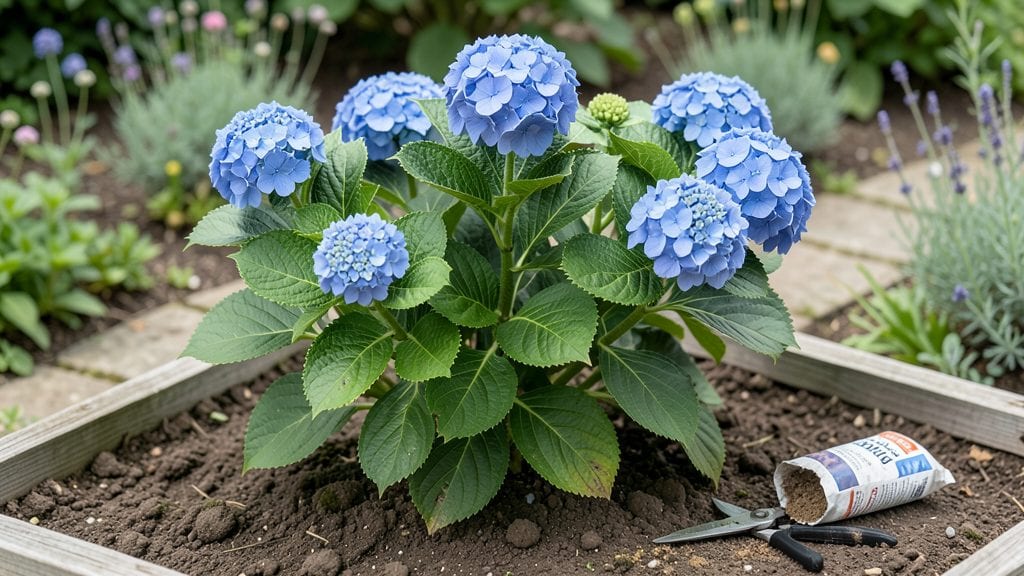
Strolling the gardens for edible plants means creating intentional pathways that double as productive growing zones, blending quick-harvest crops like leafy greens and herbs with sustainable harvesting practices to fuel self-sufficient meals year-round.
When you design your garden paths with edible plants in mind, you're essentially turning every step into a harvest opportunity. 🌱 The key is balancing high-value crops that mature quickly—think radishes in 25 days or basil in 6 weeks—with perennials like rosemary that thrive along walkways.
I've found that pairing shallow-rooted plants with deeper-rooted ones prevents competition for nutrients, while adding mulch keeps soil rich and reduces maintenance. This approach turns your garden into a living pantry where every stroll yields fresh ingredients for meals.
Don't overlook the importance of seasonal planning—spring brings fast greens while summer delivers tomatoes and peppers. By rotating crops annually, you naturally replenish soil fertility without synthetic inputs.
The result? A garden that not only feeds you but also becomes a relaxing, productive space where every path leads to flavor. 💫
💡 In This Article
- Designing Edible Garden Pathways for Maximum Yield
- Top 10 Fast-Growing Edible Plants for Garden Strolls
Designing edible garden pathways for maximum yield
The secret to productive garden paths lies in their dual purpose: they must serve as both walkable thoroughfares and high-output growing zones. Here's what's actually happening when you design these pathways strategically: you're creating a dynamic ecosystem where plant roots interact with soil microbes to break down organic matter faster.
The key factor is intercropping—pairing fast-growing crops like lettuce (ready in 30 days) with slower maturing plants such as carrots (ready in 70 days). This technique maximizes vertical space while preventing soil erosion from foot traffic.
Companion planting takes this further by leveraging natural pest deterrents. For example, planting basil alongside tomatoes repels whiteflies and improves flavor, while marigolds along pathways deter nematodes.
The science behind this involves allelopathy—when plants release chemicals that inhibit or stimulate growth in neighboring species. 🌿 A well-planned path might include strawberries (ready in 50 days) at the edges where sunlight filters through, while chives grow between stepping stones to deter aphids.
The result is a self-regulating system where pests become rare and harvests abundant.
Soil enrichment is non-negotiable for these pathways. I've found that mulching with straw (applied at 2-3 inches deep) maintains moisture while suppressing weeds, while compost tea (brewed at 1:5 ratio) provides immediate microbial boosts.
The decomposition process releases nutrients gradually, creating a feedback loop where every harvest depletes some resources but the soil's microbial life replenishes them faster than bare soil. This works because mycorrhizal fungi form symbiotic relationships with plant roots, effectively extending their nutrient-gathering reach by up to 70%.
Seasonal rotation is where the magic happens for continuous yields. Spring paths might feature radishes (ready in 21 days) and spinach, while summer transitions to bush beans (ready in 50 days) and zucchini.
The key is planning backward: what will you need in December determines what you plant in June. Most gardeners overlook how cover crops like clover fix nitrogen in off-seasons—adding 2-3 inches of clover hay before planting tomatoes can increase yields by 25%.
This systematic approach turns your garden into a year-round production line where every path contributes to your pantry.
Walkability requires careful path design too. Gravel paths (with 1-2 inch crushed stone) allow roots to penetrate while providing drainage, while wooden boardwalks elevate plants above soil-borne diseases. The width matters: 24-30 inches gives enough space for two people to pass while maintaining growing zones on either side.
Here's what most people don't realize—path edges should have slight curves to prevent soil compaction from foot traffic. Straight edges create pressure points where plants struggle to establish roots.
For maximum efficiency, consider these planting ratios: 60% high-value crops (like herbs), 30% pollinator attractors (like dill), and 10% ground covers (like creeping thyme). This balance ensures you're always harvesting something while maintaining ecosystem health.
The sensory payoff is immediate—stepping onto a path lined with mint releases its invigorating aroma, while chamomile flowers along the edges create a calming visual rhythm. 💛
Remember that successful edible pathways require three months of planning before the first shovel hits soil. Start by mapping your garden's sunlight patterns (full sun vs. partial shade), then sketch path layouts that create microclimates.
The most productive gardens I've designed use permeable paving with gaps filled with edible ground covers—this way, every square inch contributes to your harvest while remaining accessible for your daily strolls.