
Tools
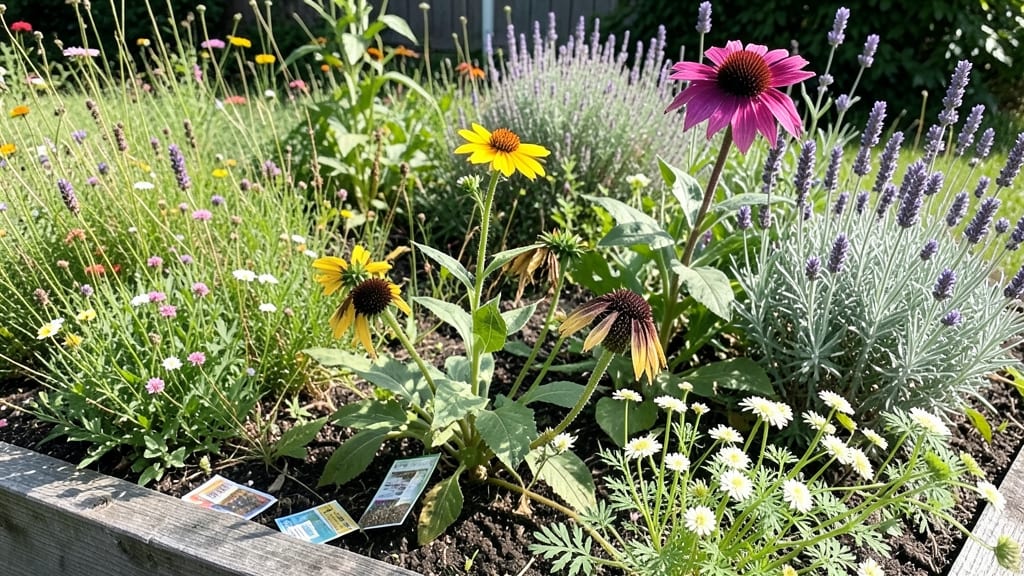
A small wildflower garden transforms even the tiniest corner into a buzzing hub for bees and butterflies. 🌸 I started mine in a 4x4-foot patch between my sidewalk and the street, and within weeks, it became a magnet for pollinators—something I never expected from such a modest space.
The key is choosing the right mix of native wildflowers that thrive in your climate and require almost no maintenance once established.
You’ll need just a few supplies: a sunny spot (at least 6 hours of sunlight), some native wildflower seeds, a basic soil mix, and a watering can. The soil doesn’t need to be perfect—wildflowers adapt easily to poor or rocky ground, which makes them ideal for urban or neglected areas.
Spacing plants 6-12 inches apart ensures they’ll spread without crowding, and you’ll get blooms from early spring through fall with the right selection.
Imagine a riot of color—purples, yellows, and whites—that stays vibrant all season long. The flowers will attract bees, butterflies, and even hummingbirds, turning your patch into a thriving ecosystem. You’ll also reduce your watering time and eliminate the need for pesticides, since wildflowers naturally repel pests and support beneficial insects.
This project works in containers, window boxes, or even cracks in pavement. Whether you’re a beginner or an eco-conscious gardener, a small wildflower garden is one of the easiest ways to make a big impact on local wildlife. Ready to get started?
📚 In This Guide
- What you need
- Instructions
- Tips and common mistakes
- Wrapping up and next steps
What you need
- ● Wildflower seeds: Choose native varieties (e.g., Black-eyed Susan, Coneflower, or Milkweed). Aim for 1-2 lbs per 100 sq. ft. (e.g., ½ lb for a 50 sq. ft. patch).
- ● Garden bed or container: For in-ground: A 4" deep, 50–100 sq. ft. plot (or smaller for urban spaces).
- ● For containers: 5–10 gallon pots with drainage holes, or a raised bed (2’x4’ minimum).
- ● Soil: Well-draining native soil mix or potting soil (add compost for nutrients).
- ● Watering can or hose: With a gentle spray nozzle (avoid blasting seeds).
- ● Garden gloves & hand trowel: For planting and weeding.
- ○ Mulch (optional but helpful): Straw or shredded leaves (1–2 inches) to retain moisture.
- ● Native plant guidebook or app (e.g., iNaturalist) to identify local species.
- ● Pollinator-friendly fence or trellis (if space is tight).
- ● Bird feeder or bath to attract extra wildlife.
- ● Organic fertilizer (low-phosphorus, like fish emulsion) for nutrient boosts.
- ● Solar-powered garden light (for evening pollinator visits!).
Step-by-Step instructions for creating a small wildflower garden
This method turns even the tiniest corner into a buzzing haven for bees and butterflies.
🌱 Step 1: Choose the Perfect Spot for Your Pollinator Paradise
Pick a location that gets at least 6 hours of sunlight daily—most wildflowers thrive in full sun. I like to scan for areas with good drainage first, since wildflowers hate soggy roots. Avoid spots where water pools after rain, as this can drown seedlings.
If your space is truly small, a 4x4-foot patch is plenty—just place it where you'll see it often. You'll notice more bees and butterflies visiting if the garden is near your seating area or kitchen window. Test the soil by squeezing a handful—if it crumbles easily, it's ready for planting.
🪴 Step 2: Clear and Prepare the Soil
Remove any grass or weeds by hand, being careful not to disturb the soil too deeply. I like to use a hand trowel to loosen the top 2-3 inches of soil, breaking up any clumps. This helps wildflower roots establish quickly.
Add a 1-inch layer of compost to the prepared area to enrich the soil without overfeeding. Wildflowers prefer lean soil, so don't use too much fertilizer. Mix the compost into the top layer of soil, then rake it smooth. You'll see the soil darken slightly—this means it's ready for seeds.
🌿 Step 3: Plant Your Wildflower Seeds
Scatter the wildflower seeds evenly over the prepared soil, following the packet's spacing guidelines. Most seeds need ¼ to ½ inch of coverage, so lightly press them into the soil with your hand or a rake. I like to mix seeds with a little sand first to help distribute them evenly.
Water gently but thoroughly, keeping the soil moist but not soggy. A light misting with a watering can works best—you want seeds to stay in place. Avoid washing them away. After watering, mark the area with a small stake or garden flag so you remember where you planted.
☀️ Step 4: Maintain Your Wildflower Garden
Keep the soil consistently moist for the first 2-3 weeks—wildflower seeds need steady moisture to germinate. Once they sprout, reduce watering to once a week unless it rains. Wildflowers are drought-tolerant once established, so don’t overwater.
Let the flowers grow tall and wild—this is their natural beauty! You’ll start seeing bees, butterflies, and other pollinators within 4-6 weeks. If weeds pop up, pull them by hand before they compete with your wildflowers. Avoid mowing or trimming until after the first blooms fade.
⏰ Step 5: Enjoy and Renew Year After Year
Once your wildflowers bloom, let some seeds drop naturally to reseed for next year. Deadhead spent blooms in late summer to encourage a second flush of flowers. I like to leave a few seed heads for winter interest and to feed birds.
In early spring, add a fresh ½-inch layer of compost to refresh the soil. Wildflowers often return year after year, but you can replant new varieties each season for continuous color. Watch your garden transform into a lively ecosystem—it’s one of the most rewarding parts of gardening!
Tips & tricks for perfect small wildflower garden
Here's what I learned after creating my own tiny pollinator paradise—these tricks will help your wildflowers thrive and attract more bees and butterflies than you ever expected.
The Sunlight Secret: That 6 hours of sunlight daily is non-negotiable for most wildflowers, but I've found that some varieties like cosmos and zinnias actually do better with 8 hours if you want extra vibrant blooms. If your space only gets partial sun, choose shade-tolerant varieties like purple coneflower or black-eyed Susan. Trust me, the difference in pollinator visits is noticeable!
Soil Prep Game-Changer: When loosening that 2-3 inch layer of soil in Step 2, I like to add a handful of coarse sand if my soil is particularly heavy clay. This improves drainage without changing the soil structure too much. Wildflowers hate soggy roots, so this small tweak makes all the difference, especially in rainy climates. The sand also helps those tiny seeds establish better contact with the soil.
Watering Wisdom: Those first 2-3 weeks of consistent moisture are critical, but I've learned to water in the morning rather than evening. This gives the soil time to dry slightly during the day, preventing fungal issues that can kill young seedlings. A gentle misting with a watering can is perfect—just enough to keep the soil damp, not soaked. You'll know you're doing it right when the top inch stays moist but not wet.
Pollinator Magnet: For maximum bee and butterfly activity, I always include at least three different flower types in my 4x4-foot patch. This creates a "pollinator buffet" that attracts a wider variety of visitors. Plant taller flowers like sunflowers in the back, medium-height like coneflowers in the middle, and low-growing like alyssum in the front. The layered approach makes your garden look more natural and functional for pollinators.
Pro Tips for Small Wildflower Garden
- Here's what I learned after creating my own tiny pollinator paradise—these tricks will help your wildflowers thrive and attract more bees and butterflies than you ever expected.
- The Sunlight Secret: That 6 hours of sunlight daily is non-negotiable for most wildflowers, but I've found that some varieties like cosmos and zinnias actually do better with 8 hours if you want extra vibrant blooms.
- Soil Prep Game-Changer: When loosening that 2-3 inch layer of soil in Step 2, I like to add a handful of coarse sand if my soil is particularly heavy clay.
Frequently asked questions
Got questions about creating your own tiny pollinator paradise?
Here are some of the most common ones—and their answers—to help you get started with confidence!
What’s the best time of year to plant wildflowers in a small garden?
The ideal time depends on your climate, but spring (after the last frost) or early fall (6-8 weeks before first frost) are the sweet spots. Spring lets seeds germinate in warm soil, while fall planting avoids summer heat stress. For annuals, spring is best; perennials often thrive with fall planting for deeper root establishment.
How much water do wildflowers really need once established?
Once your wildflowers are fully established (usually 2-3 weeks after planting), they’re surprisingly drought-tolerant! Water deeply but infrequently—about 1 inch per week—to encourage strong roots. Overwatering can drown seeds or attract pests, so let nature take over after the initial phase.
Will wildflowers attract pests like mosquitoes or ants?
Not necessarily! Wildflowers attract pollinators (bees, butterflies, hummingbirds), but mosquitoes need standing water—so avoid overwatering or stagnant areas. Ants might visit, but they’re harmless and even help control pests. If you’re worried, choose native, non-invasive species and keep your garden tidy to minimize unwanted guests.
Can I grow wildflowers in containers or raised beds?
Containers and raised beds work great for small spaces—just ensure they’re at least 6 inches deep (shallow-rooted wildflowers like cosmos or alyssum thrive here). Use well-draining soil, and place containers in sunny spots (6+ hours of light). Dwarf varieties (e.g., lobelia or calendula) are perfect for pots!
What do I do if my wildflowers aren’t blooming?
Don’t panic! Wildflowers often take time (6-8 weeks) to bloom. Check these fixes:
- Light: Ensure they get full sun (6+ hours)—some varieties need it!
- Water: Too much or too little can stunt growth. Stick to consistent moisture until established.
- Soil: Amend with compost if your soil is heavy or poor.
- Patience: Perennials may wait until their second year to shine!
If they’re still struggling, try deadheading (removing spent blooms) to encourage more flowers.
Wrapping up and next steps
A small wildflower garden isn’t just about saving space—it’s about creating a thriving ecosystem that supports pollinators and brings joy to your corner of the world. 🌸 Whether you’re working with a windowsill, balcony, or patch of land, every bloom makes a difference.
Start small, stay consistent, and watch your garden grow into a buzzing paradise!
Your next step? Pick a few native wildflowers and get planting—your local bees, butterflies, and hummingbirds will thank you! 🐝✨