
Tools
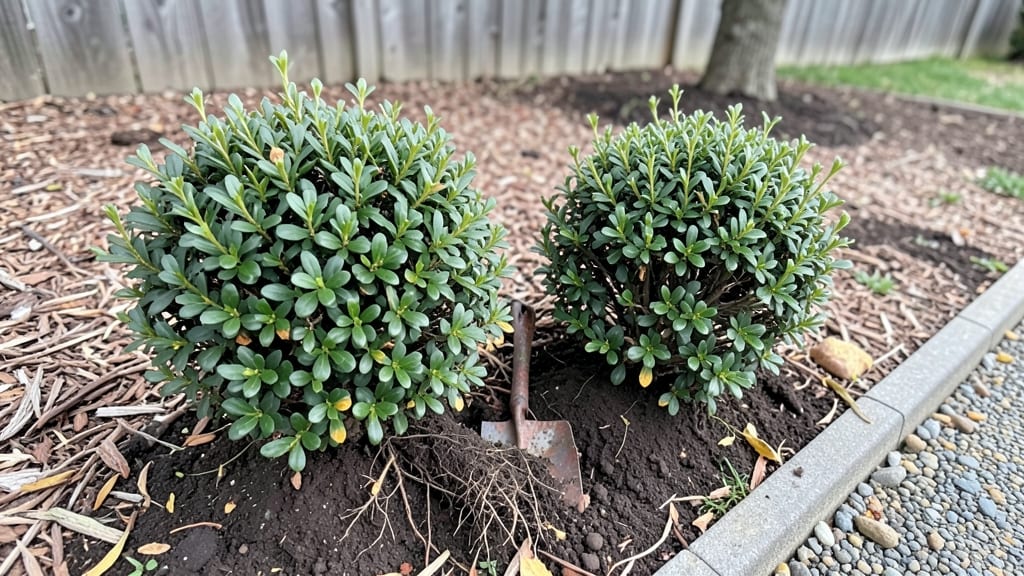
A small formal garden thrives on structured layouts, geometric precision, and deliberate plant placement to create refined elegance within limited space. Symmetrical designs, repeating plant varieties, and defined pathways establish visual harmony, while classic elements like topiaries, boxwoods, or roses anchor the aesthetic. Thoughtful scaling and layered planting techniques maximize depth without sacrificing sophistication.
A small formal garden isn't about sacrificing space—it's about strategic design choices that make every inch count. 🌿 The key lies in leveraging structured pathways as visual guides, which create natural divisions while maintaining flow.
I've found that boxwood hedges and ornamental grasses work exceptionally well in tight spaces because they offer year-round structure without requiring constant pruning.
For example, a 5-foot-wide gravel path flanked by clipped boxwoods instantly establishes formality, while adding a single sculptural focal point (like a fountain or urn) draws the eye and creates balance.
The magic happens when you layer plants by height—tall evergreens at the back, mid-height perennials in the middle, and low-growing ground covers in front—to build visual depth without overwhelming the compact footprint.
💡 In This Article
- Key Elements of Classic Formal Garden Design
- Space-Saving Plant Choices for Formal Gardens
Key elements of classic formal garden design
Formal gardens rely on a mathematical precision that transforms limited space into an illusion of grandeur. The foundation is a central axis—a straight line (often a path or fountain) that serves as the visual spine of the design.
This axis divides the garden into symmetrical halves, creating balance that feels inherently elegant. Think of it like the golden ratio in architecture: even in a 10-foot-square space, a perfectly centered path flanked by identical hedges will make the area feel twice as large through optical symmetry.
The magic happens in the details: hard landscaping like stone pathways, walls, and trellises act as structural bones that define the space before plants are introduced. For example, a 2-inch-thick limestone path with precise, squared edges creates a crisp contrast to soft foliage.
Walls or fences (even low 3-foot-tall boxwood hedges) serve as backdrops that frame plantings like a painting. This technique is why historic European gardens appear timeless—they're built on geometry that transcends seasonal changes.
Plant selection becomes strategic when space is limited. Evergreens like boxwood or dwarf yew provide year-round structure, while perennials such as lavender or salvia add seasonal color without encroaching. The key is repetition: using the same plant variety in mirrored positions (like two 4-foot-tall boxwood standards) creates rhythm.
This works because our brains recognize patterns—even in small doses, repetition satisfies the need for order that defines formal design.
Focal points anchor the composition and draw the eye. A single ornamental urn (placed at the path's intersection) or a small fountain (with a 12-inch-wide basin) becomes a destination that feels intentional. The rule of thumb?
Focal points should occupy no more than 10-15% of the total space—any larger risks overwhelming the compact scale. This is why topiaries (like a 2-foot-tall cone-shaped boxwood) work better than sprawling shrubs in tight areas.
Layering plants by height creates depth without width. Start with a 6-foot-tall evergreen at the back, add 3-foot perennials in the middle, and finish with ground covers (like creeping thyme) at the front.
This technique mimics the visual effect of a grand landscape in miniature—your eyes "travel" through the layers even in a 5x5-foot plot. The texture contrast matters too: smooth boxwood against spiky ornamental grasses adds tactile interest that elevates the design.
What most people overlook is how light and shadow play into formal gardens. A west-facing wall will cast long shadows in afternoon sun, creating natural "frames" for plantings.
This is why many classic designs incorporate clipped hedges that change appearance with the light—what looks like a solid green wall in morning sun becomes a lattice of light and shadow by midday. 💫