
Advice
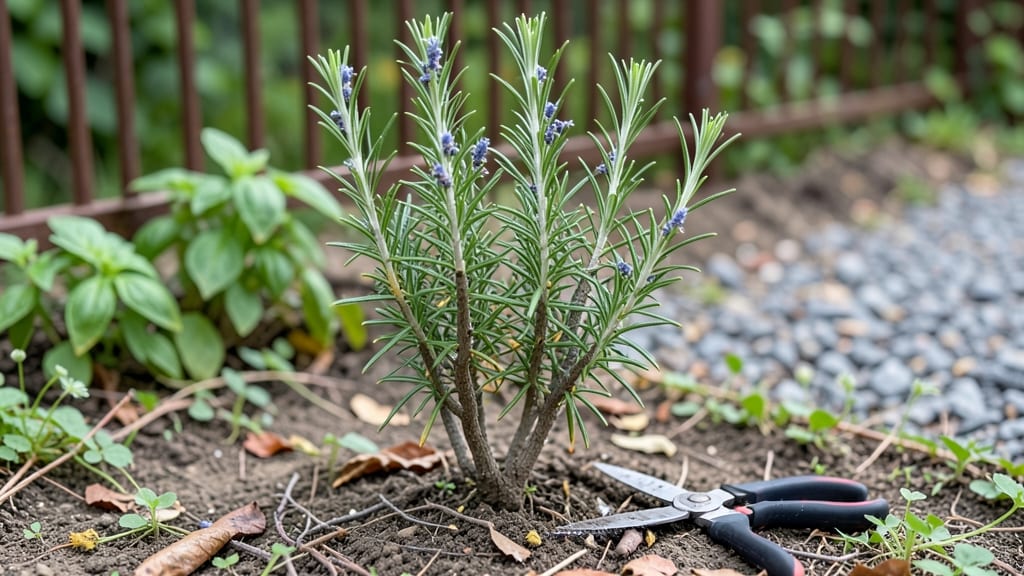
Master these rosemary gardening tips, and you’ll discover how easy it is to grow this hardy herb year-round—with just a few simple tricks up your sleeve. 🌿 I’ve kept my rosemary alive through winters, droughts, and even neglect (okay, maybe not that last one), and the secret lies in mimicking its Mediterranean roots: bright light, well-draining soil, and a "set it and forget it" watering routine.
The key is starting right: rosemary hates soggy feet, so mix in sand or perlite to keep roots happy, and place it where it gets at least 6 hours of sun daily.
Prune lightly after harvests to encourage bushier growth, and watch it reward you with fragrant, needle-like foliage that smells like a walk through a Provençal lavender field. Even indoor growers can nail this—just swap the sun for a grow light.
📚 In This Guide
- What you need
- Instructions
- Tips and common mistakes
- Wrapping up and next steps
What you need
- ● Rosemary plants: Start with 2-3 healthy nursery-grown rosemary plants (upright or prostrate varieties) or seeds (if starting from scratch).
- ● Well-draining soil: Mix 1 part potting soil with 1 part coarse sand or perlite (rosemary hates soggy roots!).
- ● Containers (if not planting in-ground): At least 12-18 inches deep and 12 inches wide per plant (rosemary has deep roots!).
- ● Terracotta or fabric pots (prevents root rot better than plastic).
- ● Mulch: Pine straw or gravel (keeps roots cool and retains moisture without suffocating the plant).
- ● Garden trowel or shovel (for planting and soil prep).
- ● Pruning shears (sharp, clean pair to trim woody stems—sterilize with rubbing alcohol between cuts!).
- ● Watering can or hose with a gentle nozzle (rosemary dislikes wet leaves).
- ○ Gloves (optional but handy for thorny varieties like Rosemarinus officinalis 'Prostratus').
- ● Sunlight: Full sun (6+ hours daily)—rosemary is a sun-worshipper!
- ● Climate: Thrives in USDA Zones 7-10; in colder zones, grow in containers for winter protection.
- ● Drainage: No standing water—rosemary roots rot easily. Elevate containers if needed.
Step-by-Step guide to growing rosemary year-round
Here’s how I keep rosemary thriving indoors and out—no green thumb required.
🌱 Step 1: Choose the Right Spot for Light and Soil
Rosemary craves full sun—at least 6-8 hours daily. If growing outdoors, pick a south-facing spot where it gets morning sun and afternoon shade in hot climates. Indoors, place near a sunny window or under a grow light for 14 hours/day. You’ll know it’s getting enough light when new growth stays a deep green, not pale or leggy.
Use well-draining soil—rosemary hates soggy roots. Mix in sand or perlite if your garden soil feels heavy. The plant’s roots need air, so avoid compacted or clay-heavy soil. I test drainage by filling a pot halfway with water, then waiting until it drains completely before planting.
☀️ Step 2: Plant or Transplant with Proper Spacing
Rosemary grows 2-3 feet wide at maturity, so space plants 3-4 feet apart outdoors. In containers, use pots at least 12 inches deep and wide—smaller pots restrict root growth and lead to stunted plants. Bury the stem slightly deeper than it was in its nursery pot to encourage stronger root development.
If transplanting, water the plant thoroughly the day before moving it. This reduces shock and helps roots adjust faster. After planting, water deeply but let the soil dry out completely before watering again. Overwatering is the #1 killer of rosemary—it’s a drought-tolerant Mediterranean plant, not a tropical one.
💧 Step 3: Water and Feed for Long-Term Health
Water rosemary only when the top 2 inches of soil feel dry. Stick your finger in the soil—if it’s damp, wait. If it’s bone-dry, water until it runs out the drainage holes. I water mine once every 1-2 weeks in summer, less in winter. Too much water causes root rot, which turns leaves yellow and mushy.
Fertilize lightly in spring with a balanced, water-soluble fertilizer (like 10-10-10) diluted to half strength. Overfeeding leads to soft, weak growth that’s prone to pests. Rosemary doesn’t need much—just enough to keep it happy without spoiling it. Stop fertilizing in late summer to encourage woody growth for winter.
✂️ Step 4: Prune for Shape and Encourage Bushiness
Prune rosemary in early spring to shape it and remove dead or woody stems. Cut back one-third of the plant’s height to encourage new growth. Avoid shearing it into a perfect shape—rosemary looks best with a natural, slightly wild form. You’ll see fresh green shoots emerge within 2-3 weeks of pruning.
Harvest sprigs regularly to keep the plant bushy. Pinch off the tips of new growth to prevent flowering, which makes the leaves bitter. If your rosemary flowers, snip off the blooms immediately—they signal the plant to focus on seed production instead of leaf growth. Harvest in the morning for the strongest flavor.
⏰ Step 5: Protect Over Winter and Extend the Season
Rosemary is evergreen in mild climates but may drop leaves in freezing temps. If you’re in a cold zone, move potted plants to a sheltered spot or indoors where they get bright light. Reduce watering in winter—let the soil dry out more between waterings. You’ll notice slower growth, which is normal during dormancy.
For outdoor plants, mulch around the base with 2-3 inches of straw or pine needles to insulate roots. In containers, wrap the pot in burlap or move it under a porch where temps stay above 20°F. With proper care, your rosemary will bounce back in spring, stronger than ever.
Tips & tricks for perfect rosemary growth
Here's what nobody tells you about keeping rosemary lush and productive year after year.
Light is Everything: In Step 1, you can't skimp on sunlight. If your rosemary starts looking pale or leggy, it's begging for more light. I've seen rosemary thrive with 14 hours/day under grow lights—this mimics its Mediterranean habitat perfectly. For indoor plants, rotate them weekly so all sides get even exposure. The first sign of insufficient light is new growth that's yellowish or stretched out.
Soil Test Before Planting: When preparing your planting mix in Step 1, do this quick test: Fill a pot halfway with your soil mix, add water, and wait 30 minutes. If water still sits at the bottom, add more sand or perlite. Rosemary roots need to breathe—waterlogged soil is a silent killer. I've ruined three rosemary plants before learning this lesson.
Winter Survival Hack: For Step 5's cold protection, here's my secret: If you can't move pots indoors, wrap them in bubble wrap first, then add the burlap. The bubble wrap creates an insulating air pocket that makes a huge difference at 20°F. I've kept rosemary alive through winters as cold as 10°F using this double-layer method.
Pruning Payoff: When you prune in Step 4, don't just cut back—snip at a 45-degree angle just above a leaf node. This encourages bushier growth and prevents those ugly bare stems. I prune mine every 3 months instead of just once in spring, and it stays dense and productive all year. The key is to never remove more than one-third of the plant's height at any single time.
Pro Tips for Rosemary Gardening Tips
- Here's what nobody tells you about keeping rosemary lush and productive year after year.
- Light is Everything: In Step 1, you can't skimp on sunlight.
- Soil Test Before Planting: When preparing your planting mix in Step 1, do this quick test: Fill a pot halfway with your soil mix, add water, and wait 30 minutes.
Frequently asked questions
Got rosemary questions? You’re not alone! Here are answers to the most common gardening dilemmas—so you can keep your rosemary thriving all year long.
How do I keep rosemary alive year-round in cold climates?
Rosemary thrives in USDA zones 7-10, but you can grow it in cooler areas by planting it in containers and moving them indoors (near a sunny window) when temperatures drop below 20°F (-6°C). Alternatively, mulch heavily or use frost cloth for in-ground plants. Pro tip: Prune back by ⅓ before winter to encourage bushier regrowth in spring!
How often should I water rosemary, and how do I know it’s too much?
Rosemary is drought-tolerant—water deeply only when the top inch of soil is dry (about once a week in warm weather, less in winter). Overwatering is the #1 killer! Yellowing leaves or mushy stems mean you’re drowning it. Fix it: Let soil dry completely between waterings and ensure pots have drainage holes.
Can I trim rosemary aggressively, or will it die?
Nope! Rosemary loves a good haircut—prune it back by ⅓ in early spring to encourage dense growth. You can also snip stems for cooking anytime (it grows back fast!). Warning: Avoid cutting into woody stems (they won’t regrow). For woody plants, trim just above a leaf node.
What should I do if my rosemary gets pests like aphids or spider mites?
Start with a strong spray of water to knock off soft-bodied pests like aphids. For stubborn infestations, use neem oil or insecticidal soap (follow label instructions). Boost plant health by ensuring it gets 6+ hours of sun and well-draining soil—healthy rosemary resists pests!
Can I grow rosemary from a store-bought bunch, and how?
Strip the lower leaves, trim the stem at an angle, and place it in water (change weekly). Once roots form (2–4 weeks), transplant to soil. Pro tip: Use a mix of potting soil and perlite for drainage. Avoid overwatering—rosemary hates soggy roots!
Why is my rosemary turning brown and crispy?
Brown, crispy leaves usually mean underwatering or too much sun (especially in hot climates). Check soil moisture and move potted rosemary to partial shade if leaves feel papery. If the problem persists, it might be salt buildup from tap water—switch to distilled or rainwater!
Wrapping up and next steps
Growing rosemary is a rewarding journey that brings fragrant beauty and culinary versatility to your garden—and you’ve got all the tools to succeed! 🌿 From selecting the right soil to mastering pruning and pest control, these rosemary gardening tips ensure your plant thrives year-round.
Whether you’re a beginner or a seasoned green thumb, a little patience and care will turn your rosemary into a lush, aromatic star.
Ready to transform your space? Start small: plant a single sprig today, then expand as you gain confidence. Before you know it, you’ll be harvesting fresh rosemary for cooking—or sharing cuttings with neighbors! 🌱✨