
Pests
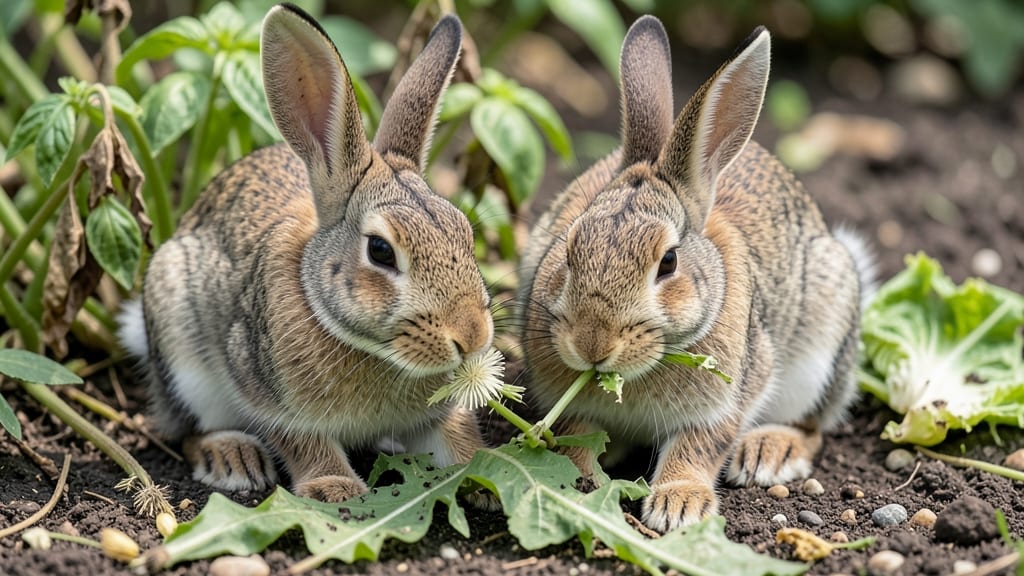
Rabbits eating garden plants can turn your hard work into a buffet overnight. 🌱 I’ve lost entire rows of lettuce and tulips to these furry thieves, but I’ve also learned which deterrents actually work—without harming the rabbits or your garden’s ecosystem.
Most commercial sprays fail because rabbits get used to them fast. Instead, I rely on a mix of physical barriers (like chicken wire buried a foot deep) and natural repellents (garlic spray or predator urine).
The key is combining methods—rabbits hate the smell of crushed red pepper or rosemary planted around vulnerable areas.
Within a week, you’ll see fewer nibbled leaves and more intact plants. My tomatoes and peppers now grow unharmed, and the rabbits have moved on to the neighbor’s lawn. The best part? These solutions are humane, cost-effective, and don’t require traps or harm.
Works for vegetable gardens, flower beds, and even ornamental plants. Let’s keep those floppy-eared snackers out of your green space for good—without turning them into roadkill statistics.
📚 In This Guide
- What you need
- Instructions
- Tips and common mistakes
- Wrapping up and next steps
What you need
- ● Wire mesh or hardware cloth: ¼-inch or smaller mesh (rabbits can’t chew through it!). Needed for at least 3–4 feet of perimeter fencing or raised bed coverage.
- ○ Stakes or posts: 12–18-inch wooden or metal stakes (1 per yard of fencing). Optional: Use rebar for extra durability.
- ● Twine or zip ties: For securing mesh to stakes (10–20 pieces, depending on garden size).
- ● Pruners or shears: To trim plants that rabbits might nibble (e.g., young shoots).
- ● Compost or mulch: Organic material (straw, wood chips) to create a 3–4 inch barrier around vulnerable plants.
- ● Repellent spray (homemade or store-bought): DIY option: Mix 1 tbsp hot pepper sauce, 1 tsp dish soap, and 1 gallon water in a spray bottle.
- ● Store-bought: Look for rabbit-specific repellents (e.g., Liquid Fence or Bobbex).
- ● Motion-activated sprinkler: Solar-powered (e.g., ScareCrow) to startle rabbits without harm.
- ● Chicken wire: For temporary fixes (not as durable as hardware cloth).
- ● Decoy predators: Fake owls or snakes (move them weekly to keep rabbits guessing!).
- ● Plant-based deterrents: Strong-smelling herbs like rosemary, mint, or garlic planted near vulnerable areas.
- ● Livestock guardian dogs (LGD) or cats: If you’re open to pets—just ensure they’re humane to wildlife!
- ● Reflective tape or old CDs: Hang near garden edges to create visual distractions.
Instructions: humane rabbit deterrents for your garden
Here's what I've learned after years of testing—these methods actually work without harming rabbits or your plants.
🌱 Step 1: Create Physical Barriers with Chicken Wire
Install 2-foot tall chicken wire fencing around garden beds, securing it with stakes every 2 feet. Rabbits can't dig under wire deeper than 6 inches, so bury the bottom edge 4 inches deep or bend it outward at a 45-degree angle to deter tunneling. I use 1-inch mesh wire because it's strong enough to withstand nibbling while still allowing airflow to plants.
For raised beds, wrap the wire around the entire perimeter, including the bottom edges. Rabbits are persistent climbers, so extend the barrier 6 inches above the bed height—they'll jump but rarely over 2 feet. Check for gaps weekly, especially after windstorms, as even a 2-inch hole lets them slip through.
💧 Step 2: Use Repellent Sprays with Natural Ingredients
Mix 1 gallon of water, 1 cup of hot pepper sauce, and 2 tablespoons of dish soap in a spray bottle. The capsaicin in hot peppers irritates rabbits' sensitive noses without harming them. Spray the perimeter every 3-5 days or after rain, focusing on plant stems and leaves. I avoid spraying in windy conditions—it wastes product and can drift onto desirable plants.
For a stronger deterrent, add 1 tablespoon of garlic powder to the mix. The sulfur compounds create an unpleasant odor that rabbits avoid. Reapply after heavy rain, as the solution washes away quickly. Never use commercial repellents with thiram—they can be toxic to pets and children.
☀️ Step 3: Plant Rabbit-Resistant Companion Plants
Interplant rosemary, lavender, sage, and thyme around vulnerable crops. These herbs have strong fragrances that rabbits dislike. I also scatter daffodils, alliums, and marigolds—their toxic compounds make them unappealing. Place these 12-18 inches away from edible plants to create a natural barrier without blocking sunlight.
Rabbits avoid fiber-rich plants like Russian sage, lamb's ear, and catmint. Mix these into your garden design—they're ornamental, drought-tolerant, and effective. Avoid planting lettuce, clover, or dandelions nearby, as these act as rabbit magnets and undo your deterrent efforts.
✂️ Step 4: Implement Motion-Activated Deterrents
Place motion-activated sprinklers (like ScareCrow) around garden edges. These emit a 10-second spray when triggered, startling rabbits without harm. Set them to low pressure—high bursts can damage tender seedlings. I position mine 18 inches from garden beds, covering a 10-foot radius per unit. Rabbits learn quickly to avoid sprayed areas.
For a quieter option, try ultrasonic repellents designed for rabbits. These emit high-frequency sounds that irritate their hearing but are inaudible to humans. Place units 15 feet apart along garden perimeters and replace batteries every 3 months—dead units become useless fast. Pair with physical barriers for best results.
🪴 Step 5: Maintain a Clean, Rabbit-Free Habitat
Remove all weeds, grasses, and ground covers within 10 feet of garden beds. Rabbits hide in dense vegetation, using it as cover to approach gardens. I keep lawns mowed short and prune shrubs to 3 feet high—this eliminates their preferred hiding spots. Avoid leaving mulch piles or wood chips near garden edges, as these attract them.
Clean up fallen fruits, vegetables, and seed heads daily. Even small scraps lure rabbits into your garden. I also rotate planting locations yearly to disrupt their foraging patterns. If you notice fresh droppings or chewed plants, increase deterrent frequency—rabbits return to familiar food sources.
Tips & tricks for effective rabbit deterrents in your garden
These battle-tested strategies will help you create a rabbit-resistant garden without harming these delicate creatures.
Barrier Installation: When securing your 2-foot tall chicken wire, use galvanized stakes for maximum durability—they won't rust like regular stakes will. For raised beds, extend the wire 6 inches above the bed height and create a 45-degree outward bend at the base. This double defense prevents both climbing and tunneling attempts. I've found that adding a second layer of wire in areas with persistent rabbit activity creates an almost impenetrable barrier.
Repellent Application: The key to effective repellent spraying is consistency—stick to the 3-5 day schedule mentioned in Step 2. For best results, spray in the early morning when rabbits are most active. I've noticed that adding 1 tablespoon of vinegar to the mix enhances the deterrent effect, though it's optional. Always wear gloves when handling hot pepper sauce, as it can irritate skin. The dish soap helps the solution adhere to plant surfaces longer.
Companion Plant Placement: When arranging your rabbit-resistant plants like rosemary and daffodils, create a dense perimeter around vulnerable crops. The 12-18 inch spacing recommendation works best when you plant these in clusters rather than individual plants. I've found that lavender bushes placed at garden corners are particularly effective—their strong scent creates a natural boundary that rabbits avoid. For maximum impact, interplant these with your edible crops rather than keeping them separate.
Motion Deterrent Strategy: When positioning motion-activated sprinklers, place them 18 inches from garden beds but angle them slightly inward to create a 30-degree spray pattern over the garden. This ensures rabbits get startled without damaging your plants. For ultrasonic repellents, I've discovered that placing units along fence lines rather than randomly around the garden creates a more effective barrier. Remember to test both systems before full installation—some models have adjustable sensitivity settings that may need tweaking.
Pro Tips for Rabbits Eating Garden
- These battle-tested strategies will help you create a rabbit-resistant garden without harming these delicate creatures.
- Barrier Installation: When securing your 2-foot tall chicken wire, use galvanized stakes for maximum durability—they won't rust like regular stakes will.
- Repellent Application: The key to effective repellent spraying is consistency—stick to the 3-5 day schedule mentioned in Step 2.
Frequently asked questions
Got questions about rabbits munching on your garden?
You’re not alone! Here are some of the most common concerns—and practical solutions—to keep your plants safe while keeping those long-eared visitors happy (and out of your veggies).
How do I know if rabbits are eating my garden?
Look for clean, jagged edges on leaves, stems, or bark—rabbits don’t chew like squirrels or deer. Check for droppings (small, round pellets) near damaged plants, and search for tunnels or paths through grass or mulch. Signs often appear at dawn or dusk, when rabbits are most active.
When is the best time to use deterrents?
Apply deterrents before rabbits become a problem—spring and early summer are peak seasons for garden raids. Reapply after rain or every 2–4 weeks. For immediate protection, focus on newly planted seedlings or vulnerable crops like lettuce, which rabbits adore. Evening checks help you catch them mid-munch!
Are there humane alternatives to repellents?
Try these non-toxic, rabbit-friendly methods:
- Physical barriers: Chicken wire (bury 12" deep!) or cloches over young plants.
- Natural repellents: Spray garlic, hot pepper, or predator urine (coyote/fox) on plants (reapply weekly).
- Habitat tweaks: Plant rabbit-resistant borders like marigolds, lavender, or rosemary.
- Decoys: Motion-activated sprinklers or fake owls (move them often—rabbits get wise!).
What do I do if rabbits keep coming back?
If deterrents fail, layer your defenses:
- Check for hidden entry points (e.g., gaps under fences or low-hanging branches).
- Use temporary fencing (at least 3 feet tall) around problem areas.
- Try ultrasonic repellents (limited effectiveness but worth a try for stubborn bunnies).
- Consider livetraps to relocate rabbits humanely (check local laws first!).
Can rabbits eat certain garden plants safely?
Yes! Rabbits love clover, dandelions, and grass—let them graze on these to reduce damage to your veggies. Avoid toxic plants like azaleas or rhododendrons (harmful to rabbits too!). For a win-win, dedicate a small "rabbit patch" with safe greens away from your prized crops.
Wrapping up and next steps
Protecting your garden from rabbits doesn’t have to mean cruel traps or harsh chemicals—humane, thoughtful solutions work just as well!
From repellent plants and fencing strategies to natural deterrents, you’ve got plenty of eco-friendly options to keep your greens safe. Start small, test what works best in your space, and don’t hesitate to mix methods for maximum effectiveness.
Ready to reclaim your garden? Pick one tactic today—your plants (and the bunnies!) will thank you. 🌱🐰