
Vegetables
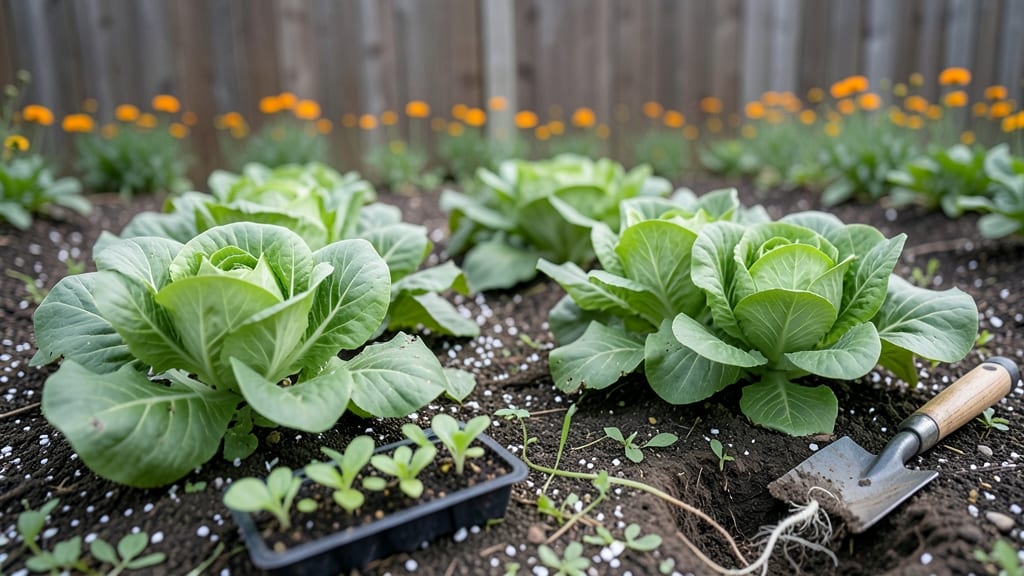
Vegetable gardening in small spaces isn't just possible—it's where the real magic happens. 🌱 I spent years watching neighbors with sprawling plots while my balcony produced more tomatoes than they did, and the secret lies in smart design, not square footage.
The key is working with your space, not against it, whether that's a 4'x8' raised bed or a row of containers along a sunny fence.
You don't need fancy tools or expensive soil to get started. A few basic supplies—a sturdy container or raised bed frame, quality potting mix, and some basic stakes or trellises—are all you need to begin.
The real game-changer is understanding which crops thrive together (like basil with tomatoes) and planning your layout to maximize sunlight exposure. Even in tight spaces, you can fit in a year-round harvest by choosing the right succession crops.
Picture this: fresh salad greens in spring, cherry tomatoes in summer, and hearty kale through winter—all from a space smaller than your coffee table. The trick is layering plants vertically and rotating crops to keep the soil healthy.
You'll be harvesting more food per square foot than you ever thought possible, with less work and more flavor than anything from the store.
This approach works for urban balconies, suburban backyards, or even sunny windowsills. The same principles apply whether you're growing in containers, raised beds, or in-ground plots. Let's turn that small space into a productive powerhouse!
📚 In This Guide
- What you need
- Instructions
- Tips and common mistakes
- Wrapping up and next steps
What you need
- ● Containers or Raised Beds: 5–10 5–10 gallon pots or containers (for herbs/leafy greens)
- ● 1–2 4’x8’ raised beds or vertical planters (for root veggies & larger plants)
- ● Growing Medium: High-quality potting mix (sterilized, peat-free if possible)
- ● Compost or worm castings (1–2 bags for nutrient boost)
- ● Perlite or vermiculite (for drainage, 1–2 cups per container)
- ● Seeds or Seedlings: Fast-growing radishes, lettuce, kale, or microgreens (for quick harvests)
- ● Cold-hardy spinach, arugula, or broccoli (for year-round planting)
- ○ Optional: Heirloom or R variety seeds (e.g., ‘Roulette’ carrots, ‘Red Sails’ lettuce)
- ● Essential Tools: Hand trowel ($5–$10)
- ● Pruners ($8–$15)
- ● Watering can (1–2 gallon capacity) or drip irrigation kit
- ● Garden gloves (nitrile-coated for durability)
- ● Grow lights (LED, full-spectrum for indoor/extension seasons)
- ● Soil pH test kit (to tweak acidity for optimal growth)
- ● Row covers or cold frames (to protect plants from frost or pests)
- ● Trellises or stakes (for vining plants like pole beans or cucumbers)
- ● Organic fertilizers (fish emulsion, compost tea, or balanced NPK 5-5-5)
- ● Plant markers (reusable labels or sticks to track varieties)
Step-by-Step instructions for year-round small-space vegetable gardening
Here’s how I turn tiny spaces into productive gardens that keep giving all year.
🪴 Step 1: Plan Your Layout for Maximum Yield
Start by sketching your space on paper—even a 4x4-foot balcony can grow 4-6 plants if planned right. I use vertical trellises for vining plants like pole beans or cucumbers, saving precious floor space. Place taller plants like tomatoes or peppers on the north side of containers to avoid shading shorter crops.
Measure your light exposure first—most vegetables need 6+ hours of sun daily. If your space gets only morning light, focus on leafy greens (like lettuce or spinach) that tolerate partial shade. Mark your garden bed or container edges with stakes to keep rows straight and organized.
🌱 Step 2: Prepare Containers or Raised Beds
Use containers with drainage holes and at least 6 inches of depth for root crops like radishes or carrots. Fill them with a mix of 50% potting soil and 50% compost—this gives roots room to expand while holding moisture. I always add a handful of worm castings to each container for extra nutrients.
For raised beds, line the bottom with landscape fabric to block weeds and improve drainage. Space plants 12-18 inches apart to avoid competition. If growing in rows, leave 18-24 inches of walkway space between them for easy access—trust me, you’ll thank yourself later.
☀️ Step 3: Choose Fast-Growing, Season-Extending Crops
Prioritize cool-season crops like kale, spinach, or radishes for early spring and fall harvests. These thrive in 50-65°F temperatures and can handle light frosts. For summer heat, opt for heat-tolerant varieties like Swiss chard, bush beans, or peppers that keep producing in 75-85°F.
Extend your season with row covers or cold frames—these add 5-10°F of warmth and protect from pests. I’ve grown lettuce year-round in Zone 5 by using a simple hoop house with clear plastic. Start seeds indoors 4-6 weeks before the last frost date for a head start.
💧 Step 4: Water and Fertilize Consistently
Water deeply once a week (or daily in extreme heat) until the soil feels 1-2 inches deep and damp. Drip irrigation or soaker hoses work best—they deliver water at the roots without wetting leaves, which reduces disease risk. Mulch with 2-3 inches of straw to retain moisture and suppress weeds.
Feed plants every 3-4 weeks with a balanced liquid fertilizer (like 10-10-10). Leafy greens need more nitrogen, so I use a fish emulsion for them. Watch for yellowing leaves—this usually means it’s time to fertilize again or check your watering routine.
✂️ Step 5: Harvest Regularly and Rotate Crops
Pick vegetables as soon as they’re ripe to encourage more production. For example, harvest lettuce leaves outer to inner so the plant keeps growing. If you see flowers forming on your greens, snip them off—the plant will redirect energy to leaf growth instead.
Rotate crops annually to prevent soil depletion and pest buildup. Keep a simple garden journal to track what you planted where each season. For example, tomatoes can follow beans, which fix nitrogen in the soil. This keeps your small space thriving without needing extra amendments.
Tips & tricks for year-round small-space vegetable gardening
Small spaces can be just as productive as large gardens—you just need the right approach. Here are my best tricks for maximizing your harvest without taking over your patio.
Vertical Space is Your Best Friend: I can't stress enough how much vertical space saves in small gardens. Install trellises for vining plants like cucumbers or pole beans—this frees up floor space for leafy greens below. For containers, use wall-mounted planters or hanging baskets for herbs like basil or thyme. The key is to grow UP, not out!
Soil Mix Matters More Than You Think: That 50/50 potting soil to compost mix in Step 2 isn't just arbitrary—it's the magic ratio for small-space growing. The compost provides nutrients while the potting soil gives structure. Pro tip: Add a handful of worm castings to each container for an extra nutrient boost. If your soil compacts easily, mix in some perlite for better drainage.
Temperature Zones Are Your Secret Weapon: Understanding those 50-65°F and 75-85°F ranges from Step 3 helps you plan like a pro. Cool-season crops like spinach actually thrive when temperatures dip below 65°F, while peppers will bolt if they get too hot. Use row covers to add that extra 5-10°F when nights get chilly—it's like giving your plants a cozy blanket without taking up space.
Watering Wisdom for Small Containers: Those 1-2 inches of damp soil in Step 4 are crucial in containers—they dry out faster than ground soil. I've found that watering in the morning gives plants all day to absorb moisture before evening evaporation. For extra insurance, add a layer of mulch—it's like putting a moisture-retaining blanket on your soil that also keeps weeds at bay.
Pro Tips for R Vegetable Gardening
- Small spaces can be just as productive as large gardens—you just need the right approach.
- Vertical Space is Your Best Friend: I can't stress enough how much vertical space saves in small gardens.
- Soil Mix Matters More Than You Think: That 50/50 potting soil to compost mix in Step 2 isn't just arbitrary—it's the magic ratio for small-space growing.
Frequently asked questions
Got questions about squeezing a bountiful harvest into tight spaces? You're not alone! Here are some of the most common concerns—and solutions—from beginner and seasoned gardeners alike.
Can I grow vegetables year-round in a small space?
With the right planning, you can enjoy fresh veggies all year. Use season extension tools like cold frames, row covers, or greenhouses to protect plants in winter. Focus on fast-growing crops (like lettuce, radishes, or microgreens) in cooler months, and swap them out for heat-lovers (tomatoes, peppers) in summer. Check out our seasonal swap guide for a foolproof rotation!
How do I maximize space without overcrowding my plants?
Overcrowding leads to competition for nutrients and light—so vertical gardening is your best friend! Try trellises for vining plants (like cucumbers or beans), stackable planters, or even a hanging herb garden. For root veggies (carrots, beets), opt for shallow, wide containers to prevent bending. Pro tip: Use interplanting—pair fast growers (radishes) with slow ones (carrots)—to make every inch count!
What’s the cheapest way to start a small vegetable garden?
You don’t need a fortune—just creativity! Skip pricey starter plants and grow from seeds (a $2 packet of seeds = dozens of plants!). Repurpose containers like buckets, old boots, or even toilet paper rolls for seedlings. Use composted yard waste or free local resources (check community boards!) for soil. Bonus: Save seeds from your harvest for next year!
How do I keep pests away without chemicals?
Pests are inevitable, but you can outsmart them naturally! Start with healthy soil (happy plants = strong defenses). Introduce beneficial insects like ladybugs or lacewings, or use physical barriers (row covers, copper tape for slugs). DIY sprays like neem oil or a soapy water mix (1 tsp dish soap + 1 quart water) work wonders. Explore our pest-control cheat sheet for crop-specific fixes!
What if my small space gets too hot or cold for certain veggies?
Climate control is key! For heat-sensitive plants (like spinach), provide afternoon shade with a lightweight shade cloth or plant in cooler microclimates (e.g., north-facing windowsills). In cold snaps, use row covers or mulch to insulate soil. Pro tip: Choose heat- or cold-tolerant varieties (e.g., ‘Heatmaster’ tomatoes or ‘Winter Density’ kale) bred for resilience. Monitor weather apps to time plantings for optimal growth!
Wrapping up and next steps
You’ve got everything you need to transform even the tiniest space into a thriving R vegetable garden! Whether you’re growing leafy greens, root crops, or herbs, the key is consistency—soil prep, smart spacing, and seasonal rotation. 🌱 Start small, stay curious, and watch your harvests grow!
Ready to dive in? Pick one plant to try this week—maybe a fast-growing radish or a hardy kale—and let your green thumb shine! 🌟 Grab your supplies and begin your year-round gardening journey today.