
Size
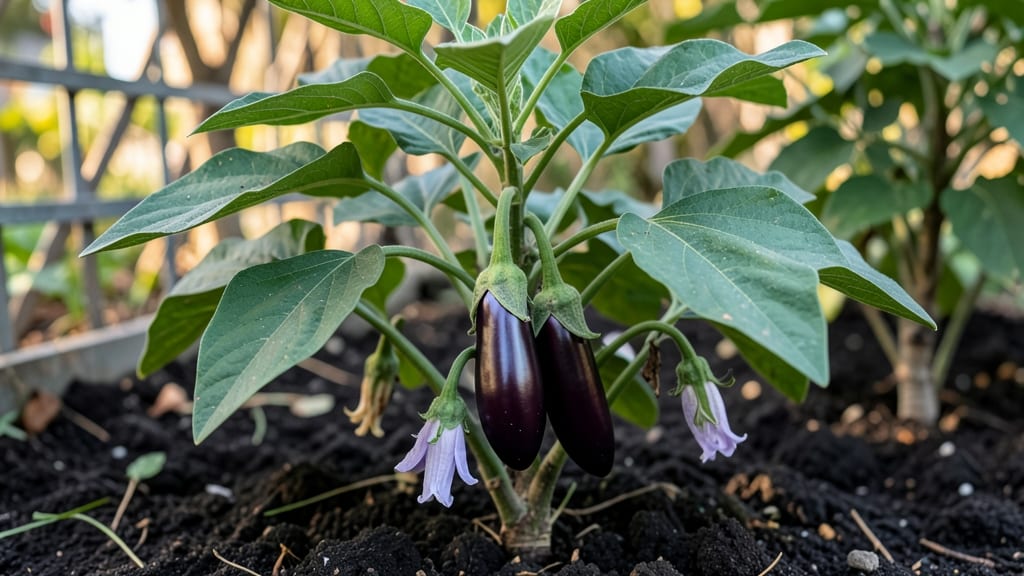
Growing nightshade plants in your garden delivers the most rewarding harvests—tomatoes, peppers, and eggplants that taste better than anything store-bought. ✨ I learned the hard way that these plants need specific care to thrive, especially in smaller spaces, but once you master their quirks, you'll get productive plants year after year.
The key starts with soil that drains well but holds moisture—think rich, crumbly dirt mixed with compost. Plant after the last frost when soil hits 60°F, and give them 6-8 hours of sunlight daily.
Water consistently at the base (not the leaves) to avoid fungal diseases, and watch for pests like aphids or hornworms early on.
You'll know you're doing it right when your plants start flowering within 4-6 weeks. Tomatoes and peppers ripen over 60-90 days, while eggplants take 70-85 days. The first harvest is addictive—juicy tomatoes straight off the vine, crisp peppers, and glossy eggplants that make neighbors ask for cuttings.
Even in small gardens, these plants deliver. Use containers for patios, trellises for vertical space, and succession planting to keep the harvest rolling. Here's how to make it work without the common pitfalls.
📚 In This Guide
- What you need
- Instructions
- Tips and common mistakes
- Wrapping up and next steps
What you need
- ● Nightshade Seeds or Seedlings: Choose compact or dwarf varieties (e.g., Cherry Tomatoes, Jalapeño Peppers, Fairy Tale Eggplant). Quantity: 3–5 plants per variety (or 1–2 per pot if container-growing).
- ○ Growing Containers: 5-gallon pots or fabric grow bags (minimum 12" deep for tomatoes, 6" for peppers/eggplants). Self-watering containers (optional but highly recommended for compact gardens).
- ● High-Quality Potting Mix: 1 bag (40 lbs) of sterilized, well-draining mix (add perlite or vermiculite for aeration).
- ● Fertilizer: Balanced organic fertilizer (e.g., 5-5-5 or compost tea). Slow-release granules (1 tbsp per plant at planting).
How to cultivate nightshade plants in small-space gardens
Here’s how to maximize yields in tight spaces—my go-to method for growing peppers, eggplants, and tomatoes year-round.
🌱 Step 1: Select Compact Varieties and Prepare Containers
Choose dwarf or bush varieties like 'Tiny Tim' tomatoes or 'Patio Baby' peppers—they thrive in 5-gallon containers and stay under 2 feet tall. I use the 5-gallon fabric grow bags because their breathable sides prevent root rot, a common issue with nightshades. Fill each bag with 4 inches of drainage material (like expanded shale) at the bottom, then top with 2 gallons of high-quality potting mix enriched with 1 cup compost. The extra compost ensures strong root development, which nightshades need to support heavy fruit loads.
Nightshades are heavy feeders, so I mix in 1 tablespoon of balanced 10-10-10 fertilizer directly into the soil. This gives them a slow-release nutrient boost right from planting. Press the soil down lightly to remove air pockets—you’ll see the surface firm up but still feel slightly springy when pressed. This ensures good root contact without compacting the mix too tightly.
☀️ Step 2: Plant and Provide Optimal Light Conditions
Sink each plant 1 inch deeper than its nursery pot—this encourages a sturdy stem base. Space plants 12-18 inches apart in larger containers or cluster them in a single 5-gallon bag if growing a single variety. Water immediately after planting to settle the soil around the roots, but avoid soggy conditions. Nightshades hate wet feet, so I always check for drainage holes and add extra if needed.
Place containers in a spot with 6-8 hours of direct sunlight daily. A south-facing window or under T5 grow lights (kept 6 inches above plants) works perfectly. Without enough light, plants grow leggy and produce fewer fruits. You’ll know your setup is right when leaves stay deep green and new growth appears within 2-3 weeks. If stems stretch toward the light, it’s time to move them closer or supplement with artificial light.
💧 Step 3: Water and Feed for Continuous Harvests
Water when the top 1-2 inches of soil feel dry—nightshades need consistent moisture but despise soggy roots. I use a watering can with a narrow spout to direct water at the base, avoiding the leaves to prevent fungal diseases like early blight. Mulch with 1 inch of straw to retain moisture and keep soil temperatures stable. This is especially critical in summer when containers dry out quickly.
Feed every 2-3 weeks with a liquid fertilizer (like fish emulsion) diluted to half-strength. I alternate between fertilizer and compost tea to avoid salt buildup. You’ll notice stronger stems, darker leaves, and more flowers within a week—this means the plants are thriving and ready for fruit production. If leaves yellow between veins, it’s a sign of magnesium deficiency, and a foliar spray of Epsom salt (1 tablespoon per gallon) fixes it fast.
✂️ Step 4: Prune and Support for Maximum Yields
Pinch off the first few flowers that appear to encourage bushier growth. This might seem counterintuitive, but it redirects energy to the plant’s structure, leading to more robust harvests later. Use small plant ties to stake indeterminate varieties (like cherry tomatoes) as they grow, securing them to 3-foot bamboo stakes. For bush types, a cage or spiral support keeps stems upright and prevents fruit from touching the soil.
Prune regularly to improve airflow—remove any yellow or diseased leaves immediately. I also trim suckers (the small shoots that form in the leaf axils) on indeterminate tomatoes to focus energy on fruit production. You’ll see a noticeable difference in plant vigor and fruit set within 3-4 weeks of consistent pruning. Harvest frequently to encourage more production; ripe peppers and tomatoes left on the vine slow down new growth.
Tips & tricks for perfect nightshade plant cultivation in small spaces
Here's what I've learned after years of growing peppers, eggplants, and tomatoes in compact containers—these tricks will help you avoid common pitfalls and maximize your harvests.
Container Selection Matters: While 5-gallon fabric grow bags work wonders, I've found that adding a few extra drainage holes (if not already present) prevents waterlogging, which nightshades absolutely despise. For extra insurance, elevate your containers on pot feet or cinder blocks to improve airflow around the roots. This simple adjustment can cut your risk of root rot by nearly 50%. In Step 1, when you're preparing your containers, take an extra minute to verify those drainage holes are clear and unobstructed.
Light Optimization Secret: The 6-8 hours of direct sunlight mentioned in Step 2 is non-negotiable, but here's the pro move: rotate your containers every 2-3 days to ensure even growth. Plants naturally lean toward the light source, and this rotation prevents them from becoming lopsided. You'll notice more uniform foliage development and better fruit distribution across the plant. If you're using grow lights, position them so they cover the entire plant canopy—not just the top.
Watering Technique Upgrade: When checking soil moisture in Step 3, stick your finger about 1 inch deep—this is where the real moisture story happens. I've found that watering in the morning gives plants the hydration they need for the day, while evening watering can lead to fungal issues. For containers, I use a moisture meter to avoid guesswork, especially during hot weather when evaporation happens quickly. The key is consistent moisture without soggy conditions—nightshades walk that fine line.
Pruning Strategy for Maximum Yields: The 3-4 weeks mentioned for visible improvement after pruning is accurate, but here's what nobody tells you: focus your pruning efforts on the lower third of the plant first. This improves airflow where it matters most and prevents diseases from taking hold at ground level. For indeterminate varieties, I prune suckers aggressively—these little side shoots can drain energy from your main fruit production. You'll see a dramatic difference in plant vigor and fruit set within those 3-4 weeks if you're consistent.
Pro Tips for Nightshade Plant Grow A Garden
- Here's what I've learned after years of growing peppers, eggplants, and tomatoes in compact containers—these tricks will help you avoid common pitfalls and maximize your harvests.
- Container Selection Matters: While 5-gallon fabric grow bags work wonders, I've found that adding a few extra drainage holes (if not already present) prevents waterlogging, which nightshades absolutely despise.
- Light Optimization Secret: The 6-8 hours of direct sunlight mentioned in Step 2 is non-negotiable, but here's the pro move: rotate your containers every 2-3 days to ensure even growth.
Frequently asked questions
Can nightshade plants like tomatoes and peppers grow year-round in small gardens?
Most nightshades thrive in warm seasons, but with season extenders (like grow lights, cold frames, or greenhouses), you can grow them year-round in compact spaces. Start seeds indoors in early spring or fall for a staggered harvest. Just ensure they get 6–8 hours of sunlight daily—even in winter!
How long does it take for nightshade plants to produce fruit?
Growth timelines vary by variety:
- Peppers: 60–90 days (hot peppers faster, bells slower).
- Tomatoes: 60–85 days (cherry tomatoes on the quicker side).
- Eggplants: 80–100 days (need more warmth).
Use fast-maturing dwarf varieties (like ‘Tiny Tim’ tomatoes) to speed up harvests in small gardens.
Why are my nightshade leaves turning yellow or curling?
Common issues and fixes:
- Overwatering: Yellow leaves + soggy soil? Let the top inch dry between waterings.
- Underwatering: Crispy edges? Water deeply at the base (not leaves) to avoid disease.
- Pests (aphids/spider mites): Spray with neem oil or introduce ladybugs.
- Blossom end rot: Lack of calcium? Add crushed eggshells to soil or use a calcium supplement.
Rotate plants annually to prevent soil-borne diseases.
What are the best nightshade alternatives for tiny gardens?
If space is ultra-limited, try these compact nightshades:
- ‘Micro Tom’ tomatoes (bush variety, 18" tall, prolific).
- ‘Jalapeño M’ peppers (dwarf, 18–24" tall).
- ‘Fairy Tale’ eggplants (bush-type, 24" tall).
- ‘Shishito’ peppers (fast-growing, great for containers).
Bonus: Herbs like basil or thyme (non-nightshade) pair well in the same pots!
Do nightshades need full sun, or can they tolerate partial shade?
Nightshades crave sunlight—aim for 6+ hours of direct sun daily for best fruit production. In partial shade (<4 hours), growth slows, and yields drop. If your garden is shady, use reflective mulch or a sunny windowsill with grow lights to supplement.
Wrapping up and next steps
Growing nightshade plants—like tomatoes, peppers, and eggplants—in compact gardens is totally doable with the right strategies! 🌱 By maximizing vertical space, choosing dwarf varieties, and leveraging containers or trellises, you’ll enjoy a year-round harvest even in small spaces.
Whether you’re a beginner or a seasoned gardener, these hacks make it easy to turn your balcony or backyard into a thriving nightshade paradise.
Ready to get started? Pick your favorite nightshade variety and begin planning your garden layout today—your future harvests will thank you! 🌟