
Landscaping
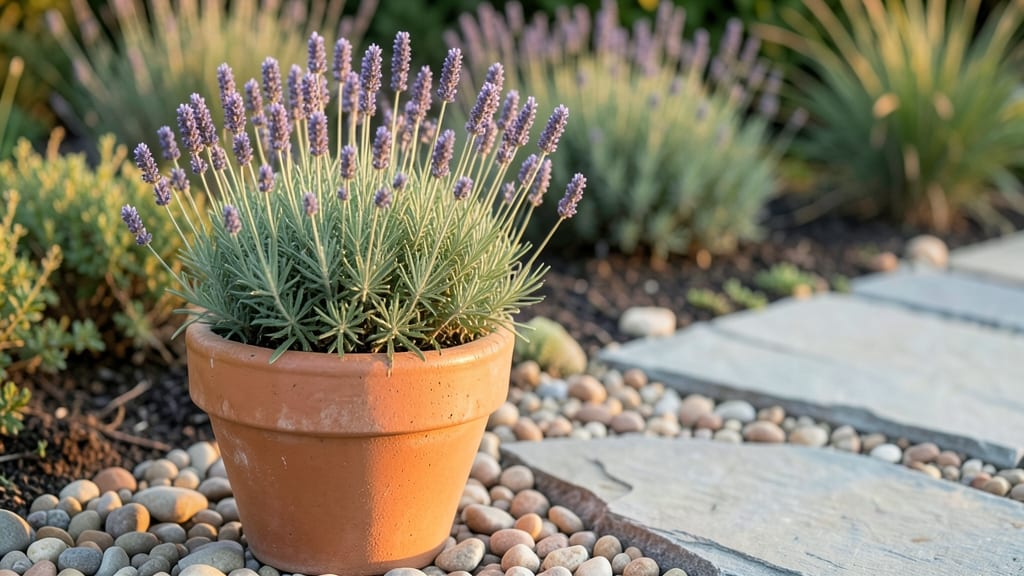
Mediterranean garden design transforms your yard into a sun-drenched retreat where every plant thrives on minimal water and maximum charm. 🌿 I fell in love with this style after struggling with high-maintenance gardens—until I discovered how drought-resistant lavender, olive trees, and rosemary create effortless beauty with almost no fuss.
The key isn’t just the plants but the way they’re arranged: sunken seating areas, winding stone paths, and pergolas draped with climbing jasmine all work together to mimic the relaxed elegance of coastal villages.
This isn’t about expensive hardscaping or rare plants—it’s about smart layering. Start with a dry creek bed or gravel pathways to reduce water needs, then add terracotta pots (they blend perfectly with the earthy palette) filled with herbs like thyme and oregano.
Mix in native species like oleander or bougainvillea for pops of color that won’t wilt in the heat. The result? A garden that feels like a vacation, not a chore. Even in hot, dry climates, these plants stay lush with just occasional watering.
What you’ll end up with is a space that smells like crushed herbs on a summer breeze, where every corner offers shade or a view of the jewel-toned blooms of salvias and agaves.
The layout works for any yard size—whether you’re tucking a few pots onto a balcony or designing a full backyard oasis. The best part? This style ages beautifully, developing more character each year as the stones weather and the plants mature. Let’s bring that timeless Mediterranean magic to your space.
Here’s the thing—this design adapts to your region. Coastal areas lean into salt-tolerant plants like sea lavender, while inland gardens shine with citrus trees and rosemary hedges.
The principles stay the same: prioritize sun, use local stone, and let the plants do the heavy lifting. Ready to create your own sun-soaked sanctuary?
📚 In This Guide
- What you need
- Instructions
- Tips and common mistakes
- Wrapping up and next steps
What you need
- ● Terracotta pots & planters (various sizes: 6", 10", 14", and 18" diameters) – 5-10 units for herbs, succulents, and small shrubs.
- ● Natural stone or gravel (pebbles, river rocks, or slate tiles) – 1-2 cubic yards for pathways and borders.
- ● Drought-tolerant plants: Olive trees (1-2 small saplings)
- ● Lavender (3-5 bunches)
- ● Rosemary, thyme, and oregano (6-8 plants)
- ● Succulents (e.g., sedum, aloe) (10-15 plants)
- ● Wooden pergola or trellis (cedar or olive wood, 6-8 ft long) – for climbing plants like jasmine or bougainvillea.
- ● Wrought-iron or bamboo furniture (2-4 chairs + a small table) – for that relaxed outdoor vibe.
- ● Basic gardening tools: Trowel, pruners, gloves, and a rake.
- ● Measuring tape & string – for layout precision.
- ● Wheelbarrow – for hauling soil, stones, and plants.
- ● Hose with adjustable nozzle – Mediterranean gardens thrive on low-water efficiency!
- ○ Optional but lovely: Outdoor string lights or lanterns (solar-powered for ambiance).
- ● Hand-painted mosaic tiles or decorative urns (for focal points).
- ● Sunny location – At least 6-8 hours of direct sunlight daily (Mediterranean plants love the heat!).
- ● Well-draining soil – Amend clay soil with sand or gravel if needed.
- ● Water access – Drip irrigation or a soaker hose is ideal for water-wise gardening.
- ● Permits (if applicable) – Check local regulations for structures like pergolas or fences.
Step-by-Step instructions for crafting a Mediterranean garden
Here's how to create a sun-drenched, layered Mediterranean retreat that thrives effortlessly.
🪴 Step 1: Define Your Sun-Drenched Foundation
Mediterranean gardens thrive in full sun, so choose a south- or west-facing area that receives at least 6-8 hours of direct sunlight daily. Clear existing vegetation and remove debris to create a clean canvas. I like to sketch a rough layout first—this helps visualize how each layer will flow.
Test the soil by digging a 6-inch deep hole. Mediterranean plants prefer well-draining soil with a slightly alkaline pH (around 7.0-8.0). If your soil is heavy clay, amend it with 2-3 inches of coarse sand or gravel mixed into the top 12 inches to improve drainage. This step prevents root rot in drought-tolerant species.
🌿 Step 2: Build the Structural Framework
Start with the tallest elements to create your garden's vertical backbone. Plant olive trees, cypress, or pomegranate trees at the back or along fences, spacing them 10-15 feet apart to allow mature growth. These anchor plants provide shade for lower layers while adding Mediterranean character.
Next, add shrubs like rosemary, lavender, or myrtle in clusters of 3-5 plants, spaced 3-4 feet apart. Grouping plants with similar water needs ensures efficient irrigation. Here's the thing—lavender, for instance, hates soggy roots, so mound the soil slightly when planting to improve drainage.
☀️ Step 3: Layer With Drought-Tolerant Perennials
Fill the middle layer with perennials that thrive in heat and dry conditions, such as sage, thyme, orice, and salvia. Space these 18-24 inches apart to allow airflow and prevent fungal diseases. I always plant them in loose clusters rather than straight rows—it looks more natural and mimics wild Mediterranean landscapes.
Add bulbs like daffodils, crocuses, or grape hyacinths in early spring for seasonal color. These low-maintenance plants naturalize over time and return year after year with minimal care. Water them deeply after planting to encourage root establishment, then let nature take its course.
✂️ Step 4: Add Textural Elements and Finishing Touches
Incorporate gravel paths, terracotta pots, and stone borders to define spaces and add texture. I use pebbles or crushed stone in pathways to reduce water evaporation and suppress weeds naturally. For seating areas, place wrought-iron or wooden benches near shaded spots to create inviting focal points.
Finally, add climbing plants like jasmine or bougainvillea to trellises or arbors for vertical interest. Train vines to grow upward along structures, and prune them lightly in late winter to encourage bushier growth. This step adds height and softens the garden's overall appearance.
💧 Step 5: Establish a Low-Maintenance Watering System
Mediterranean gardens despise frequent watering, so install a drip irrigation system or soaker hoses to deliver water slowly at the base of plants. Set the system to run 2-3 times per week for 15-20 minutes during the first growing season to help roots establish.
Once established, reduce watering to once every 10-14 days, allowing the soil to dry out between sessions. Mulch with 3-4 inches of gravel or wood chips around plants to retain moisture and suppress weeds. This layer also regulates soil temperature, protecting roots during heatwaves.
Tips & tricks for perfect Mediterranean garden design
Creating a Mediterranean garden that thrives with minimal effort requires understanding the subtle art of layering and sunlight management. Here's what I've learned after designing several sun-drenched retreats that require almost no maintenance once established.
Sunlight Strategy: The 6-8 hours of direct sunlight requirement in Step 1 is non-negotiable for authentic Mediterranean plants. I recommend using a sun calculator app to track your specific location's sunlight patterns—some west-facing areas get intense afternoon sun that can scorch delicate perennials. If your space only gets 4-5 hours, consider sun-loving alternatives like lavender or rosemary which tolerate slightly less sun while still thriving in the Mediterranean style.
Soil Preparation Secret: When amending heavy clay soil in Step 1, don't just mix in sand—create a proper "soil sandwich" by placing a 3-inch layer of coarse gravel at the bottom of your planting hole, then your amended soil mix, then a 1-inch layer of fine gravel on top. This three-layer system mimics natural Mediterranean soil conditions and dramatically improves drainage. The fine gravel on top also helps prevent soil compaction from foot traffic.
Plant Grouping Insight: In Step 2, when creating clusters of shrubs, I've found that odd-number groupings (3 or 5 plants) create more natural-looking arrangements than even numbers. For lavender specifically, plant the cluster on a gentle mound rather than flat ground—this improves drainage and gives the plants a more sculptural appearance. The slight elevation also makes harvesting easier when you want to use the flowers for cooking or crafts.
Watering System Hack: For the 15-20 minute watering sessions in Step 5, I recommend setting up your drip irrigation system with emitters that deliver water at 0.5 gallons per hour. This slower rate ensures water penetrates deeply rather than running off the surface. Place emitters at the base of each plant cluster rather than randomly—this targeted approach prevents water waste and keeps foliage dry, reducing fungal diseases. After the initial 2-3 waterings per week, you can actually reduce to once every 10-14 days once roots establish, contrary to what many beginners assume.
Pro Tips for Mediterranean Garden Design
- Creating a Mediterranean garden that thrives with minimal effort requires understanding the subtle art of layering and sunlight management.
- Sunlight Strategy: The 6-8 hours of direct sunlight requirement in Step 1 is non-negotiable for authentic Mediterranean plants.
- This three-layer system mimics natural Mediterranean soil conditions and dramatically improves drainage.
Frequently asked questions
Got questions about crafting your dream Mediterranean garden design? You’re not alone! Here are answers to the most common queries to help you plan with confidence.
What plants thrive in a Mediterranean garden, and where do I source them?
A Mediterranean garden flourishes with drought-tolerant plants like lavender, rosemary, olive trees, bougainvillea, and agave. Start with local nurseries specializing in Mediterranean or drought-resistant species. Online plant databases (e.g., The American Horticultural Society) can also help identify region-specific varieties. Pro tip: Check plant tags for sun exposure needs to match your garden’s light conditions!
How long does it take to establish a Mediterranean garden?
Establishing a Mediterranean garden takes patience—typically 1–3 years for full maturity. Succulents and perennials like lavender may take 1–2 years to fill out, while trees (e.g., olive or citrus) can take 3–5 years to reach their mature size. Key hack: Prioritize mulching and drip irrigation early to speed up root growth and reduce evaporation.
Do Mediterranean gardens require a lot of water once established?
Once mature, Mediterranean gardens are low-maintenance and thrive on minimal water—about 1 inch per week during dry spells. Drip irrigation systems are ideal for delivering water directly to roots, reducing waste. Troubleshooting tip: If leaves yellow, it may signal overwatering; let soil dry between waterings to mimic natural Mediterranean rainfall patterns.
Can I incorporate Mediterranean design into a small urban space or balcony?
Use containers, vertical gardens, and tiered planters to bring Mediterranean charm to small spaces. Opt for compact varieties like dwarf olive trees, trailing rosemary, or potted citrus. Design hack: Add terracotta pots, wrought-iron accents, and climbing vines (e.g., jasmine) to create a cozy, sun-drenched vibe—even in a 6x6-foot patio!
What are some budget-friendly ways to add Mediterranean flair?
Skip expensive tiles or statues—focus on natural materials and DIY touches. Use pebbles, sand, or crushed stone for pathways (available at hardware stores). Paint old wooden crates in earthy tones for planters, or repurpose vintage doors as garden art. Thrift tip: Check flea markets for affordable terracotta pots, mosaic tiles, or weathered stone accents.
Wrapping up and next steps
Creating a Mediterranean garden design is all about embracing warmth, texture, and effortless elegance—where every plant and path tells a story. From sun-loving lavender to rustic stone pathways, this style blends natural beauty with timeless charm, perfect for any outdoor space.
Whether you’re dreaming of a cozy courtyard or a sprawling retreat, the key is to start small, stay inspired by local traditions, and let your garden evolve with love.
Ready to bring this sun-drenched vision to life? Sketch a simple layout, gather a few key materials, and take the first step—your future self (and future guests!) will thank you. 🌿✨