
Vegetables
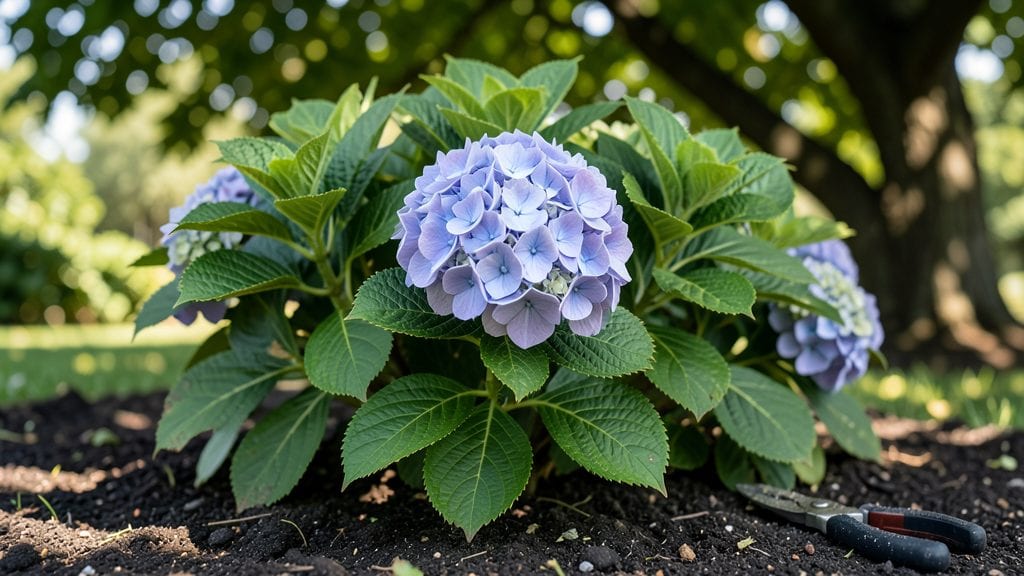
The Longwood Gardens Dupont rose is a beloved hybrid tea variety celebrated for its rich magenta blooms and timeless elegance, perfect for USDA zones 5-9 where it thrives in full sunlight and well-draining soil. To keep it flourishing, prune in early spring and late summer while fertilizing monthly during its active growing season.
The Dupont rose stands out not just for its striking color but also for its resilience and adaptability. 🌸 Growing best in full sun (at least 6-8 hours daily), it rewards gardeners with abundant blooms when planted in well-drained soil with a slightly acidic pH (6.0-6.5).
This variety's hardiness makes it ideal for both novice and experienced gardeners, as it tolerates a range of climates within its zones while still demanding consistent care to maintain its signature deep magenta hue.
What truly sets the Dupont apart is its classic charm, often described as a staple in formal gardens. Unlike some roses that fade quickly, the Dupont maintains its vibrant color longer, making it a favorite for cut flowers and bouquets.
Its hybrid tea classification means it produces large, high-centered blooms on sturdy stems—perfect for both garden beds and floral arrangements.
💡 In This Article
- Ideal Growing Conditions for Dupont Roses
- Pruning and Pest Control for Dupont Roses
Ideal growing conditions for Dupont roses
The Dupont rose thrives when exposed to 6-8 hours of direct sunlight daily, a requirement rooted in its photosynthetic needs. These roses belong to the Rosa genus, which relies on sunlight to produce energy through chlorophyll.
Without sufficient light, the plant's growth weakens, leading to fewer blooms and paler petals. The deep magenta hue of Dupont roses actually intensifies with more sunlight exposure, thanks to increased anthocyanin production—a natural pigment that gives them their signature color. 🌞
Soil pH plays a crucial role in nutrient availability, with Dupont roses preferring a range of 6.0-6.5. At this slightly acidic level, essential micronutrients like iron and manganese become more accessible, which are vital for chlorophyll production and overall plant health.
The roots of these roses develop best in well-drained soil—waterlogged conditions can lead to root rot, while sandy soil may require organic matter to retain moisture. Think of it like a sponge: the soil should hold water but not become soggy.
Temperature and humidity create a delicate balance for Dupont roses. They flourish in USDA zones 5-9, where average winter lows range from -20°F to 30°F. The roses enter dormancy in colder months, conserving energy until spring.
During growing season, 60-70% humidity supports healthy blooms, but excessive moisture can invite fungal diseases like black spot. The key is consistent moisture without waterlogging—about 1-1.5 inches per week, either from rainfall or irrigation.
Seasonal care adjusts to the plant's natural cycles. In spring, as temperatures rise above 50°F, the Dupont begins active growth, demanding regular fertilization with a balanced 10-10-10 NPK ratio to support new foliage and blooms.
Summer's heat accelerates growth, so mulching with 2-3 inches of organic material helps retain soil moisture and regulate temperature. In fall, reduce watering as the plant prepares for dormancy, and remove spent blooms to redirect energy to root development.
What most gardeners don't realize is how humidity affects blooming patterns. High humidity (75%+) can lead to powdery mildew, while low humidity (40% or below) may cause buds to dry out before opening.
The Dupont's deep magenta petals are particularly sensitive to environmental stress, so maintaining stable conditions—especially during bud formation—ensures vibrant, long-lasting blooms. A simple way to monitor this is by checking the soil's moisture level with your finger: it should feel damp but not wet.
For optimal results, consider planting Dupont roses in a location with morning sun and afternoon shade in hot climates. This protects the delicate petals from afternoon heat stress while still providing the full sunlight they need.
The combination of proper sunlight, soil pH, and moisture balance creates the perfect environment for these roses to flourish, rewarding gardeners with their iconic deep magenta blooms season after season. ✨