
Vegetables
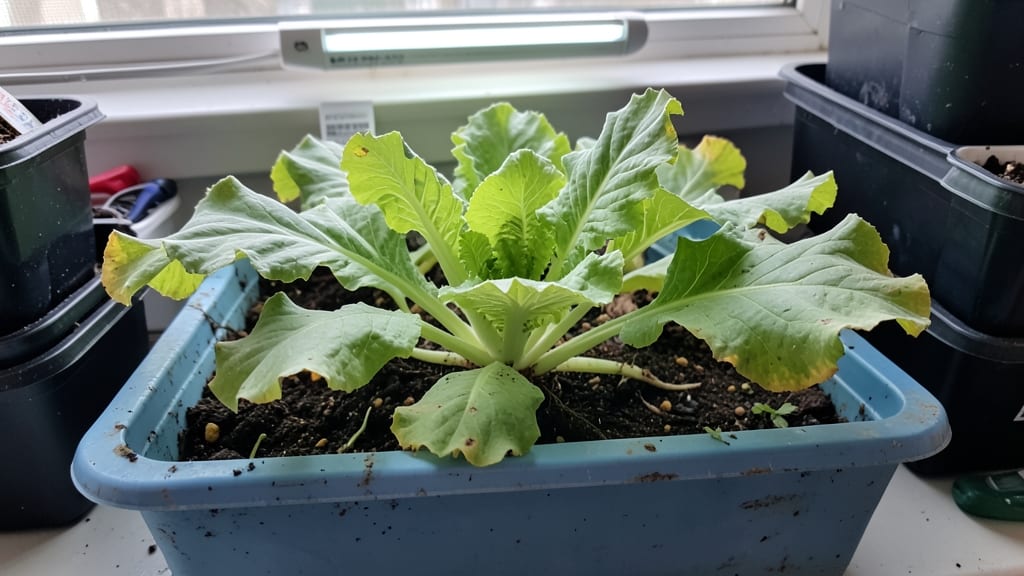
Indoor apartment vegetable gardening lets you grow crisp lettuce and sweet peppers without ever stepping into a backyard. 🌱 I started this journey after watching my windowsill herbs limp through winter, and now my kitchen grows more than my old garden ever did.
The key isn't fancy equipment—it's matching plants to your space, light, and patience.
You'll need containers with drainage, a sunny window or affordable grow lights, and soil that drains well but holds moisture. My 5-gallon fabric pots work perfectly for tomatoes, while salad greens thrive in shallow trays.
The real game-changer? Choosing fast-growing varieties like bush beans or dwarf peppers that fit small spaces without waiting months for harvest.
Within 4-6 weeks, you'll snip fresh basil for cooking or pluck baby kale for salads. The air smells cleaner, your grocery bill drops, and watching roots tangle through the bottom of containers becomes oddly satisfying.
Even my black thumb can't kill these setups when we follow the light and water rules.
This works for any apartment—sunny lofts, north-facing kitchens, or even basement setups with supplemental lighting. The only limit is your imagination (and shelf space). Let's turn that kitchen counter into a harvest zone!
📚 In This Guide
- What you need
- Instructions
- Tips and common mistakes
- Wrapping up and next steps
What you need
- ● Containers: 5–10 clean, shallow containers (6–12 inches deep) with drainage holes. Options: plastic bins, fabric grow bags, or repurposed pots (e.g., yogurt cups for microgreens).
- ● Potting Mix: 5–10 gallons of lightweight, sterile seed-starting mix or organic potting soil (avoid garden soil—it’s too dense!).
- ● Seeds or Seedlings: Choose fast-growing, compact varieties like: Leafy greens (lettuce, spinach, kale)
- ● Herbs (basil, parsley, cilantro)
- ● Peppers (jalapeño, bell)
- ● Cherry tomatoes (dwarf or patio varieties)
- ● Grow Lights: 1–2 full-spectrum LED grow lights (12–16 watts per sq. ft.) or a sunlight window (south-facing, 6+ hours of light daily).
- ● Watering Can or Spray Bottle: A gentle sprayer for seedlings or a can with a narrow spout for deeper watering.
- ● Fertilizer: Organic liquid fertilizer (e.g., fish emulsion or compost tea) or slow-release granules (follow package rates).
- ● Trays or Saucer: 1–2 shallow trays to catch excess water and prevent messes.
- ● Self-watering planters (for busy gardeners!).
- ● Humidity dome or plastic wrap (to retain moisture for seedlings).
- ● Soil moisture meter (avoid over/under-watering guesswork!).
- ● Trellis or stakes (for vining plants like peas or tomatoes).
- ● Decorative labels (to track plant names and care tips).
- ● Air purifier or small fan (improves air circulation and prevents mold).
Step-by-step instructions for indoor apartment vegetable gardening
Here's how to grow fresh vegetables year-round in your home—no yard required.
🪴 Step 1: Select the Right Containers and Growing Setup
Start with containers that have drainage holes—vegetables despise soggy roots. I prefer 6-8 inch pots for leafy greens like lettuce and herbs, and 12-14 inch containers for larger plants like tomatoes or peppers. Use 3-5 gallon grow bags for vining plants like cucumbers or beans to encourage deeper root systems.
Place containers on a drip tray or saucer to catch excess water and prevent messes. For light, position your setup near a south-facing window or under a grow light for 14-16 hours daily. If using a grow light, position it 2-4 inches above the plants and adjust as they grow.
🌱 Step 2: Prepare Soil and Plant Your Vegetables
Fill your containers with a sterile seed-starting mix—never garden soil, as it compacts and lacks the nutrients seedlings need. For each pot, add 1 tablespoon of balanced fertilizer (5-10-5) mixed into the top 2 inches of soil. This gives your plants an immediate nutrient boost without overloading them.
Plant seeds according to packet instructions—usually ¼ inch deep for most vegetables. I like to use biodegradable pots for seedlings, which I can transplant directly into the soil without disturbing roots. Water gently after planting to settle the soil around the seeds or seedlings.
☀️ Step 3: Maintain Consistent Light and Water
Vegetables need bright, indirect light to thrive. If your window light is weak, supplement with a full-spectrum LED grow light. Watch for leggy seedlings—thin, stretched stems with large gaps between leaves—which means your plants aren’t getting enough light. Adjust the light position or duration immediately to prevent this.
Water when the top inch of soil feels dry to the touch. Overwatering is the fastest way to kill indoor plants—always check moisture before adding more. Use a spray bottle for seedlings to avoid disturbing them, and switch to a watering can with a gentle stream once they’re established.
✂️ Step 4: Prune and Harvest for Continued Growth
Regularly pinch off yellow or damaged leaves to encourage new growth and prevent pests. For leafy greens like lettuce, harvest the outer leaves first, leaving the inner leaves to keep growing. This method gives you a continuous harvest without sacrificing the plant.
For fruiting plants like tomatoes or peppers, prune suckers (the small shoots that grow in the joint between the stem and a branch) to redirect energy to fruit production. Harvest when vegetables reach their peak size and color—this encourages the plant to produce more.
🌿 Step 5: Rotate and Refresh for Long-Term Success
Rotate your containers a quarter turn weekly so plants grow evenly toward the light. This prevents them from leaning or growing lopsided. Every 4-6 weeks, refresh the soil with a top dressing of compost or a slow-release fertilizer to replenish nutrients.
If you notice stunted growth or pale leaves, it’s time to repot into a larger container or replace the soil. Indoor gardening is a cycle—refreshing your setup keeps your vegetables thriving season after season.
Tips & tricks for perfect indoor apartment vegetable gardening
A few strategic tweaks can transform your indoor gardening from a hopeful experiment into a thriving harvest. Here's what I've learned after years of growing vegetables in small spaces.
The Light Factor: That 14-16 hour daily light requirement is non-negotiable for most vegetables. I've found that positioning grow lights 2-3 inches above seedlings and 3-4 inches above mature plants creates the ideal light spectrum while preventing leaf burn. For south-facing windows, rotate containers every 2-3 days to ensure even light exposure—this prevents plants from leaning toward the light source.
Container Selection Strategy: Don't underestimate container depth for root growth. I've seen vining plants like cucumbers struggle in 5-gallon grow bags when they need at least 6-8 inches of depth for proper root development. For leafy greens, 6-8 inch pots work perfectly, but add 1-2 inches of extra depth if you're growing root vegetables like radishes or carrots.
Soil Science: The sterile seed-starting mix is your foundation, but don't skimp on the 1 tablespoon of balanced fertilizer (5-10-5) per pot. I mix it into the top 2 inches of soil because that's where most root activity occurs. For nutrient-dense soil, consider adding ½ cup of worm castings to each pot—it's like giving your plants a vitamin boost without overloading them.
Watering Wisdom: The "top inch dry" rule works, but I've perfected a two-finger test: insert your index and middle fingers about 1 inch deep—if they come out clean, it's time to water. For seedlings, I use a spray bottle with fine mist settings to avoid disturbing delicate stems, while established plants get a gentle stream from a watering can to encourage deeper root growth.
Pro Tips for Indoor Apartment Vegetable Gardening
- A few strategic tweaks can transform your indoor gardening from a hopeful experiment into a thriving harvest.
- The Light Factor: That 14-16 hour daily light requirement is non-negotiable for most vegetables.
- Container Selection Strategy: Don't underestimate container depth for root growth.
Frequently asked questions
Got questions about indoor apartment vegetable gardening?
You’re not alone! Here are answers to the most common concerns—from space-saving hacks to troubleshooting fussy plants.
What are the easiest vegetables to grow indoors for beginners?
Start with low-maintenance, fast-growing veggies like leafy greens (spinach, kale, lettuce), herbs (basil, parsley, chives), or radishes. These thrive in small pots, need minimal light, and forgive occasional neglect. Avoid root veggies like carrots—they need deep soil and space!
How much light do indoor vegetables really need?
Most veggies need 6–8 hours of bright, indirect light daily. South-facing windows work best, but supplement with a grow light (LED or fluorescent) if natural light is weak. Watch for leggy plants—a sign they’re stretching for light!
What’s the best way to water indoor vegetable plants?
Overwatering is the #1 killer! Use the finger test: Stick your finger 1 inch into the soil—if it’s dry, water thoroughly until it drains from the bottom. Never let plants sit in soggy soil. Self-watering pots or trays with saucers help maintain moisture without drowning roots.
How do I keep pests away from my indoor garden?
Prevent pests with cleanliness: Wipe leaves regularly, remove fallen debris, and quarantine new plants. For mild infestations, spray with neem oil or insecticidal soap. Avoid chemicals—many are toxic to pets and your harvest! Prevention is key!
Can I grow vegetables indoors year-round, or do I need to adjust seasons?
Yes! Indoor gardens thrive year-round, but adjust light and humidity for seasonal changes. In winter, increase grow light hours (12–14 hours/day) and use a humidity tray. Rotate crops every 3–4 months to refresh soil and prevent disease. No off-season excuses!
Is indoor gardening worth the cost if I’m on a budget?
Start small with $20–$50 for seeds, pots, and soil. Repurpose containers (clean yogurt cups, mason jars) and use free sunlight. The savings on groceries (and the joy of fresh herbs!) make it a win. Think of it as an investment in flavor—and fun!
Wrapping up and next steps
Indoor apartment vegetable gardening isn’t just possible—it’s rewarding! With the right setup, you can grow fresh, homegrown veggies year-round, no yard required. Whether you’re saving money, reducing waste, or simply enjoying the joy of nurturing life, every tiny harvest is a victory.
Ready to take the next step? Start small—pick one easy plant like herbs or leafy greens—and watch your green thumb grow! 🌱💚