
Tools
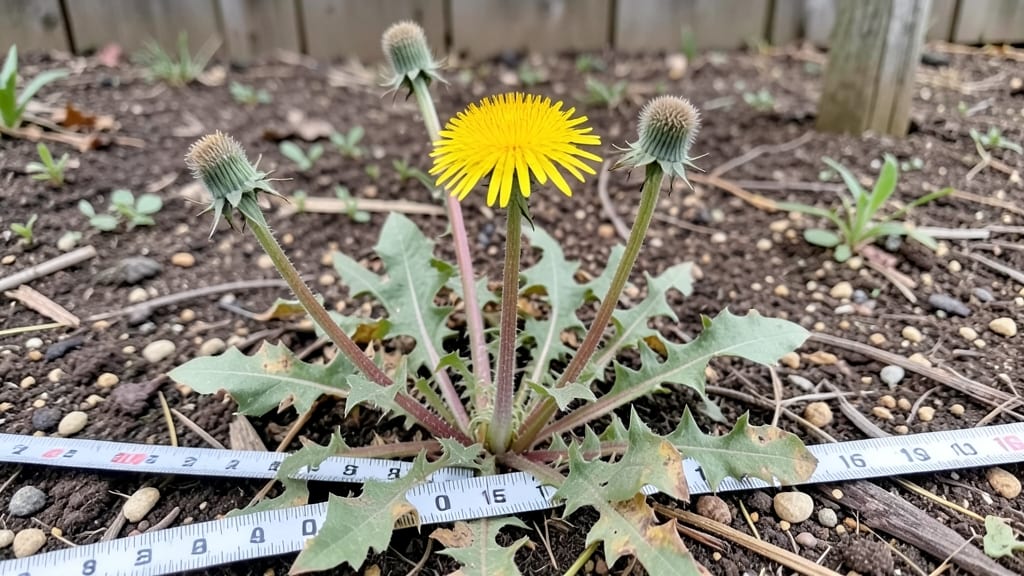
Identifying garden weeds can save you hours of unnecessary digging and chemical use. I’ve spent years pulling plants I thought were weeds—only to realize they were edible or even beneficial to my garden. The trick lies in those tiny details: leaf shape, flower structure, and how they grow.
A quick look at the base of the plant can tell you if it’s a dandelion (deep taproot) or chickweed (spreads like a mat).
Most weeds fall into three categories: broadleaf (like plantain), grassy (like crabgrass), or creeping (like clover). Broadleaf weeds often have jagged edges or lobed leaves, while grassy weeds look like miniature turf. The key is to spot these differences before they take over.
I keep a small field guide in my gardening tool belt—it’s saved me from yanking out valuable plants more times than I can count.
Once you’ve identified them, you’ll know whether to pull, smother, or let them be. Dandelions? Pull them young. Clover? It fixes nitrogen—leave it. The right approach turns weeds from pests into manageable parts of your garden ecosystem. You’ll notice the difference in just a few weeks.
For those tricky IDs, apps like PlantNet or a quick Google Lens snap can be lifesavers. And if you’re still unsure, grab a magnifying glass and compare the plant to a trusted guide. The more you look, the easier it gets—promise.
The Hidden Triggers Behind Weeds
Weeds don’t just appear—they thrive because of specific conditions in your garden. Understanding these causes is the first step to stopping them before they take over. Here’s why your yard becomes a weed magnet and how to flip the script.
Weeds love chaos, and disturbed soil is their open invitation. Every time you till, dig, or even walk on garden beds, you: - Break weed seed dormancy – Seeds buried deep in the soil can lie dormant for years until disturbed.
A single tilling session can wake up a flood of seeds, turning your soil into a weed factory. 🌱→💥 - Expose hidden seed banks – Many weeds, like crabgrass or chickweed, have seeds that lie dormant in the top 1–2 inches of soil.
Disturbing the soil brings them to the surface, where sunlight and moisture trigger germination. - Create gaps for fast growers – Bare spots left after tilling or planting give weeds like dandelions and purslane a head start, outcompeting slower-growing plants.
Actionable fix: ✅ Mulch instead of till – A 2–4 inch layer of organic mulch (straw, wood chips, or grass clippings) blocks sunlight, smothers weed seeds, and retains moisture—starving weeds before they sprout. ✅ Use sheet mulching – Also called "lasagna gardening," this method layers cardboard, compost, and mulch to suppress weeds and improve soil over time.
Weeds are opportunists, and excess water is their all-you-can-eat buffet. Here’s why: - Encourages shallow root systems – Many weeds (e.g., nutsedge, bindweed) thrive in moist conditions because they don’t need deep roots to survive.
Overwatering keeps the topsoil soggy, perfect for their rapid growth. - Washes away natural inhibitors – Healthy soil contains allelopathic compounds (like those in clover or basil) that suppress weeds.
Overwatering dilutes these chemicals, giving weeds free rein. - Feeds nutrient-hungry invaders – Weeds like lamb’s quarters and pigweed grow aggressively in rich, wet soil because they absorb nutrients faster than most plants.
Actionable fix: ✅ Water deeply but infrequently – Aim for 1–1.5 inches of water per week (including rain) to encourage deep root growth in your plants, which crowds out weeds. ✅ Improve drainage – If your soil stays soggy, amend it with compost or sand to help water drain faster. Raised beds can also prevent waterlogging. ✅ Use drip irrigation – Targeting water to plant roots (not the soil surface) reduces weed germination by keeping the top layer dry.
Some weeds are sun worshippers, and if your garden gets too much direct light, they’ll dominate.
The worst offenders: - Annual broadleaf weeds (e.g., chickweed, henbit) – These germinate in full sun and grow explosively in warm weather. - Grassy weeds (e.g., crabgrass, barnyard grass) – They need bright light to photosynthesize rapidly, often outcompeting lawn grass. - Perennial weeds (e.g., dandelions, bindweed) – While they can tolerate shade, they thrive in full sun, making them harder to eradicate.
Actionable fix: ✅ Shade out weeds naturally – Plant fast-growing ground covers (like creeping thyme or clover) or tall perennials (e.g., hostas, ferns) to block sunlight. ✅ Use shade cloth – In high-sun areas, a 30–50% shade cloth can reduce weed seeds’ ability to germinate by up to 70%. ✅ Mow high – For lawns, keep grass at 3–4 inches to shade out weed seeds before they sprout.
Weeds don’t just grow—they steal nutrients from your garden.
Here’s how imbalances help them win: - High nitrogen = leafy weeds – Fertilizer-heavy soil (especially with synthetic nitrogen) fuels fast-growing weeds like purslane and smartweed, which have no economic value. - Phosphorus overload = persistent perennials – Weeds like bindweed and quackgrass store phosphorus in their roots, making them harder to kill even after mowing or pulling. - Compacted or poor soil = weed paradise – When soil lacks organic matter, weeds with aggressive root systems (e.g., dandelions) dominate because they can extract nutrients from depleted soil.
Actionable fix: ✅ Test your soil – A simple DIY soil test kit (or lab test) reveals nutrient levels. Adjust with compost or balanced organic fertilizer (like 5-5-5) to avoid nitrogen spikes. ✅ Plant competitive crops – Cover crops (e.g., clover, buckwheat) absorb excess nutrients and outcompete weeds. ✅ Avoid synthetic fertilizers – They often create nutrient spikes that weeds exploit. Instead, use slow-release organics (like worm castings or fish emulsion).
Neglect isn’t just lazy—it’s a weed recruitment strategy. Here’s how: - Unmowed lawns = seed factories – Weeds like foxtails and cheatgrass release thousands of seeds when mature.
Leaving them unchecked means next year’s weed problem is already planted. - Ignored mulch = weed magnet – Old, decomposing mulch (especially straw or wood chips) can harbor weed seeds if not refreshed annually. - Delayed planting = bare soil – Empty garden beds give weeds 6–8 weeks of unopposed growth before your plants even sprout.
Actionable fix: ✅ Stay ahead with regular mowing – Cut weeds before they seed (most produce seeds in late summer/fall). ✅ Refresh mulch seasonally – Remove old mulch in late winter and replace it with fresh, weed-free material. ✅ Plant densely – Use close-spaced plants (like herbs or lettuce) to leave no room for weeds to establish.
Some weeds are seasonal bullies, and your local climate plays a role:
- Spring = germinating opportunists – Cool-season weeds (chickweed, henbit) sprout early when soil temps are 50–60°F.
- Summer = heat-loving invaders – Crabgrass and pigweed thrive when soil temps hit 60–70°F, often peaking in June–August.
- Fall = dormant seed setters – Many weeds (dandelions, plantain) go dormant in winter but store energy in roots to rebound the next spring.
Actionable fix: ✅ Know your weed’s peak season – Time pre-emergent herbicides (like corn gluten meal) 4–6 weeks before your area’s last frost to block seeds. ✅ Adjust watering by season – Reduce water in late summer to stress out weeds before they seed. ✅ Monitor microclimates – Shady spots may favor moss or wild violet, while sunny areas attract grassy weeds. Tailor solutions to each zone.
💡 Pro Tip: The best weed defense? Healthy soil + smart habits. Weeds exploit weaknesses—fix the conditions, and they’ll have nowhere to hide!
Tackle Weeds Like a Pro
Now that you know why weeds take over your garden (and which types you’re dealing with), it’s time to reclaim your green space! The good news? Most weed problems have simple, effective fixes—whether you prefer natural methods, mechanical removal, or chemical solutions.
Below, we’ll match common causes to the best fixes, plus pro tips to keep weeds from staging a comeback.
Cause: Dense planting or poor spacing leaves weeds with open invitations to grow. Fix:
- 🔥 Pull weeds early (before they seed) using a weeding fork or gloved hands. Grasp the base to avoid regrowth.
- 👨🍳 Space plants properly—follow seed packet guidelines for airflow and sunlight competition.
- 🥘 Mulch heavily (2–4 inches of straw, wood chips, or grass clippings) to block light and retain moisture. Pro tip: Refresh mulch annually for long-term suppression.
Prevention:
- 💡 Plant ground covers (like clover or creeping thyme) to outcompete weeds naturally.
- ✨ Use landscape fabric under mulch in high-weed areas (but leave edges exposed to prevent smothering).
Cause: Soggy soil or frequent watering creates the perfect breeding ground for moisture-loving weeds (e.g., crabgrass, nutsedge). Fix:
- 🔪 Dig in compost or sand to improve drainage in problem spots.
- 🌡️ Water deeply but less often—aim for 1–2 inches per week to encourage deep root growth in plants (and deter shallow-rooted weeds).
- 🎯 For nutsedge (nutgrass): Smother with black plastic or a thick layer of cardboard + mulch for 4–6 weeks.
Prevention:
- 💡 Install French drains or raised beds in low-lying areas.
- ✨ Use drip irrigation to target plants directly, reducing weed germination from splashing water.
Cause: Empty soil invites weeds to move in fast (especially in spring). Fix:
- 🍳 Seed bare areas immediately with grass, clover, or fast-growing annuals (like buckwheat) to outcompete weeds.
- 🔪 Apply pre-emergent herbicide (like corn gluten meal) in early spring to prevent weed seeds from sprouting. Note: This won’t kill existing weeds—pull those first!
- 🥘 For lawns: Overseed thin patches in fall for a dense, weed-resistant turf.
Prevention:
- 💡 Walk on lawns regularly to compact soil and discourage weed seedling growth.
- ✨ Solarize soil in summer: Cover bare spots with clear plastic for 4–6 weeks to kill seeds and microbes.
Cause: Broadleaf weeds (dandelions, chickweed) thrive in lawns and gardens. Fix:
- 🔥 Spot-treat with vinegar + dish soap (1 gallon vinegar + 1 tbsp soap) for organic control. Caution: This kills all plants—use carefully on driveways or sidewalks.
- 👨🍳 Use selective herbicides (like 2,4-D) for lawns—follow label rates to avoid damaging grass.
- 🥘 For stubborn weeds: Apply ortho-phenoxy herbicides (e.g., triclopyr) for tough perennials like bindweed.
Prevention:
- 💡 Mow high (3–4 inches) to shade out weeds and strengthen grass roots.
- ✨ Test soil pH—weeds like dandelions flourish in alkaline soil (aim for 6.0–7.0).
Cause: Weeds like bindweed, quackgrass, or thistle regrow from roots or rhizomes. Fix: - 🔪 Dig out roots completely (use a dandelion weeder or trowel).
For deep roots, scoop soil away to expose them. - 🌡️ Smother with cardboard + mulch for 3–6 months to starve roots of light. - 🎯 For bindweed: Apply glyphosate (Roundup) to cut stems—roots will absorb it. Reapply in 7–10 days.
Prevention:
- 💡 Install landscape barriers (like edging or fabric) to block rhizome spread.
- ✨ Solarize infested areas in summer for root-kill (works best in hot climates).
| Action | How Often | Why It Works |
|---|---|---|
| Mulch garden beds | Every spring/fall | Blocks light, retains moisture |
| Water deeply (not often) | Weekly | Encourages deep plant roots |
| Pull weeds when small | Weekly | Prevents seeding |
| Overseed lawns | Fall | Fills gaps before weeds move in |
| Test soil health | Annually | Balanced pH = fewer weed opportunities |
Final Pro Tip: 🌟 Weed when soil is moist (after rain or watering)—weeds pull out cleaner, and you’ll save your back! Combine these fixes based on your biggest weed offenders, and soon your garden will be the envy of the neighborhood. 🌿✨
Frequently asked questions
What’s the quickest way to tell if a plant is a weed?
Look for these red flags: no flowers (unless it’s a seed producer), rapid growth compared to your plants, and leaves that don’t match your garden’s ecosystem. Most weeds also have deep roots (like dandelions) or spread aggressively (like clover). If it’s crowding your crops or looks out of place, it’s likely a weed.
Are there any weeds that are actually good for my garden?
Clover fixes nitrogen in the soil, chickweed attracts beneficial insects, and purslane is edible with high omega-3s. Even "bad" weeds like dandelions provide early pollen for bees. Before pulling, check if it’s helping your garden’s balance.
How do I keep weeds from coming back after I remove them?
Use a two-pronged approach: block sunlight with 2-3 inches of mulch (straw or wood chips work best) and crowd out weeds with dense planting. For stubborn spots, try solarization (covering with clear plastic for 4-6 weeks in summer) to kill dormant seeds.
What’s the best time of day to pull weeds?
Early morning works best—soil is moist from dew, making weeds easier to remove completely. Avoid pulling in hot sun (it stresses plants) or after heavy rain (can compact soil). If mornings don’t work, water the area first and pull within 1-2 hours.
Can I use vinegar to kill weeds, and will it harm my plants?
Yes, but with caution! A mix of 1 gallon white vinegar + 1 tablespoon dish soap works as a natural herbicide. However, it kills everything it touches—use only on driveways, sidewalks, or between pavers. For garden beds, spot-test first and consider targeted removal instead.