
Pests
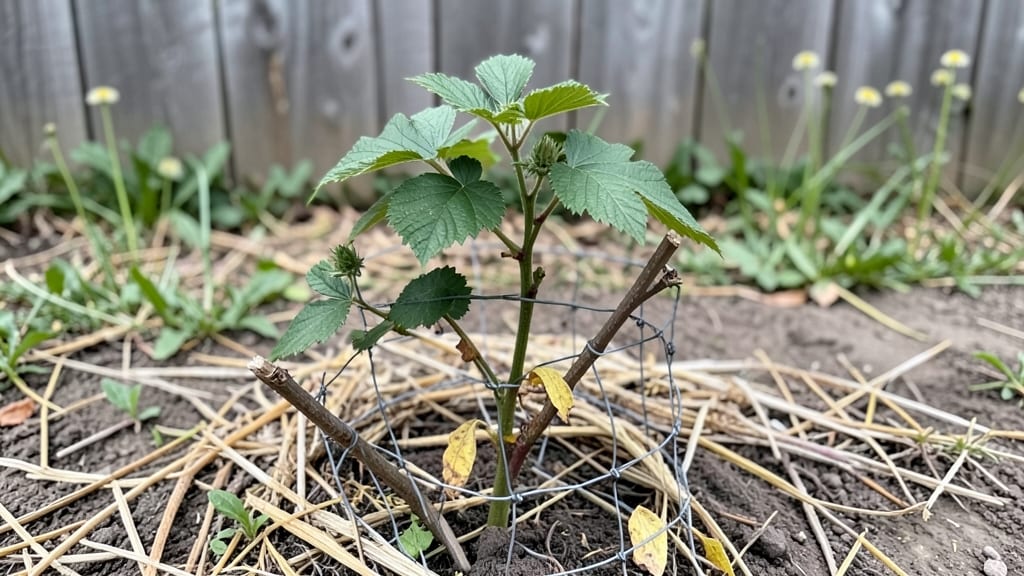
My garden used to look like a critter buffet—until I discovered how to keep critters away with a simple, spicy pepper barrier that works better than fences or repellents. 🌿 The secret lies in blending cayenne and water into a spray that rabbits, deer, and even squirrels avoid, without harming your plants or pets.
You’ll need hot peppers, water, dish soap, and a spray bottle—that’s it. The dish soap helps the mixture stick to leaves and stems, while the cayenne’s capsaicin creates a scent critters can’t stand.
Best of all, this method is cheap, reusable, and safe for your garden’s ecosystem when applied correctly.
After just one application, you’ll notice fewer nibbled leaves and more of your hard work staying where it belongs. The barrier lasts 2-3 weeks before rain or heavy dew washes it away, making it perfect for seasonal gardens. Plus, it’s a great way to upcycle old peppers from your kitchen.
Works for vegetable beds, flower borders, and even potted plants—just adjust the strength for delicate flowers. Here’s how to mix it right the first time, without burning your plants or wasting ingredients.
📚 In This Guide
- What you need
- Instructions
- Tips and common mistakes
- Wrapping up and next steps
What you need
- ● Dried red peppers (e.g., cayenne, habanero, or jalapeño) – 1–2 cups (the hotter, the better!)
- ● Water – 1 gallon (enough to soak the peppers)
- ● Spray bottle or garden sprayer – 16–32 oz (for even distribution)
- ● Plastic gloves – 1 pair (to avoid skin irritation)
- ○ Optional: Vinegar (white or apple cider) – ½ cup (enhances effectiveness)
- ○ Optional: Dish soap – 1 tbsp (helps the mixture stick to plants)
- ● Pruners or scissors – For trimming plants where you’ll apply the spray.
- ● Cheesecloth or mesh bag – To steep peppers (if making a concentrated tea).
- ○ Spray nozzle attachment – For wider coverage (optional but helpful).
- ● Markers or flags – To label treated areas (if needed).
Step-by-step instructions for creating a spicy pepper barrier
Here's the foolproof method I use to keep deer, rabbits, and even squirrels out of my garden.
🌱 Step 1: Choose the Right Peppers for Maximum Effect
Select hot peppers like cayenne, jalapeño, or habanero—the spicier, the better. I grow cayenne because it's tougher and stays potent longer. Plant them in a 2-3 foot wide band around your garden perimeter, spacing plants 12 inches apart. This creates a natural, invisible barrier critters instinctively avoid.
Peppers need full sun (6+ hours daily) and well-draining soil. If your garden soil is heavy, mix in 1 part compost to 2 parts soil before planting. The stronger the plants grow, the more effective the barrier becomes. Water deeply once a week to establish roots before relying on rainfall.
🌿 Step 2: Plant Peppers Strategically Around the Garden
Create a continuous line of peppers around your garden's edge, not just scattered spots. I plant mine in a slightly raised bed (6 inches high) to help drainage and make them harder for critters to reach. If you're planting in rows, leave 18 inches between rows to allow airflow and prevent fungal diseases.
Here's the thing—peppers work best when they're mature and producing. It takes about 60-90 days for them to reach full potency. Until then, use temporary deterrents like chicken wire or repellent sprays. You'll know the barrier is working when you see critters circling but not entering your garden.
✂️ Step 3: Maintain the Barrier Through the Season
Keep peppers healthy by pruning suckers (side shoots) regularly to encourage stronger growth. I also pinch off any flowers until the plants are well-established—this directs energy into root and stem development. Once peppers start fruiting, let them ripen fully for maximum potency.
Water at the base of plants in the morning to avoid fungal issues. Avoid wetting the leaves, as this can attract pests. When peppers are ready to harvest, leave some on the plant to dry naturally. These dried peppers release more capsaicin into the soil, reinforcing the barrier even after harvest.
💧 Step 4: Reinforce the Barrier with Natural Deterrents
Combine peppers with other critter-repelling plants like garlic, onions, or marigolds for extra protection. I plant marigolds between my peppers because their strong scent confuses pests. For added insurance, sprinkle crushed red pepper flakes around the base of plants or mix them into the soil at planting time.
This combo creates a multi-layered defense. Deer and rabbits won't just avoid the peppers—they'll steer clear of the entire garden. Check your barrier monthly for gaps or weak plants. Replace any that die back or stop producing. With consistent care, this method keeps critters away for years with minimal effort.
Tips & tricks for perfect spicy pepper barrier
A few clever strategies that'll make your pepper barrier even more effective—and save you headaches along the way.
Potency Matters: For maximum critter-deterrent power, focus on cayenne peppers—they contain the highest capsaicin levels. If you're using milder peppers like jalapeños, plant twice as many to compensate. The hotter the pepper, the stronger the scent barrier that repels animals. I've found that mixing pepper varieties actually creates a more confusing scent profile for critters, making them even less likely to approach.
Location Strategy: Place your pepper barrier at least 10 feet away from the garden edge—this gives critters an extra buffer zone they'll instinctively avoid. I also recommend planting peppers on the windward side of your garden if possible, as the scent will carry more effectively. If you have a fence, plant peppers right along it to create a double barrier effect.
Seasonal Adjustments: In early spring when peppers are just starting to grow, supplement with commercial repellents until your plants mature (those 60-90 days can feel like forever!). I use a spray made from hot peppers and water (1 tablespoon cayenne pepper per quart of water) until my plants are established. Once fruiting begins, the natural barrier takes over completely.
Dried Pepper Power: Don't toss those dried peppers after harvest! Crush them and scatter around your garden's perimeter or mix into the soil. The capsaicin remains potent even after drying, and this creates a scent trail that reinforces your living barrier. I save a few peppers each year specifically for this purpose—it's like having a built-in repellent that lasts all season.
Pro Tips for Keep Critters Away From Garden
- A few clever strategies that'll make your pepper barrier even more effective—and save you headaches along the way.
- Potency Matters: For maximum critter-deterrent power, focus on cayenne peppers—they contain the highest capsaicin levels.
- Location Strategy: Place your pepper barrier at least 10 feet away from the garden edge—this gives critters an extra buffer zone they'll instinctively avoid.
Frequently asked questions
How soon will spicy pepper barriers work?
A spicy pepper barrier can start deterring critters within 24-48 hours, but full effectiveness may take a few days as animals learn to avoid the scent. Reapply after rain or heavy watering to maintain potency. For stubborn pests, combine with other repellents like garlic or predator urine for faster results.
Can I use cayenne pepper directly on plants?
No—cayenne pepper should not be sprinkled directly on leaves, flowers, or fruit, as it can harm plants. Instead, mix it into water for a spray (diluted to avoid burning foliage) or create a perimeter barrier around your garden beds. Always test a small area first to check for sensitivity.
What if critters keep coming back?
If pests ignore your barrier, they may have built up a tolerance or found an alternate entry point. Try these fixes:
- Increase the spiciness (add more cayenne or hot sauce).
- Move the barrier closer to the garden edge (within 6–12 inches).
- Combine with physical barriers like fencing or chicken wire.
- Rotate repellents (e.g., switch to predator urine or vinegar spray).
How often should I reapply the barrier?
Reapply your spicy pepper barrier every 1–2 weeks or after rain, as the scent fades. For heavy downpours, check it daily until the area dries. Store leftover mix in an airtight container to preserve its potency longer.
Will this method harm pets or kids?
While cayenne is safe for gardens, it can irritate eyes, noses, and paws if ingested or touched directly. Keep pets and children away from freshly applied barriers until dry. Opt for pet-safe alternatives (like predator urine or diatomaceous earth) if you have curious furry friends.
Wrapping up and next steps
Keeping critters at bay doesn’t have to mean harsh chemicals or complicated setups—sometimes, the simplest (and spiciest!) solutions work best. 🌶️ A spicy pepper barrier is a natural, budget-friendly way to protect your garden while keeping wildlife safe.
By using cayenne, chili flakes, or hot pepper spray, you’re not just deterring pests—you’re also fostering a healthier, chemical-free growing space.
Ready to put these tips into action? Start small—test a section of your garden with a pepper barrier and observe the results. Once you see those sneaky critters steering clear, you can expand your defenses and enjoy a thriving, pest-free oasis. Happy gardening! 🌱