
Pests
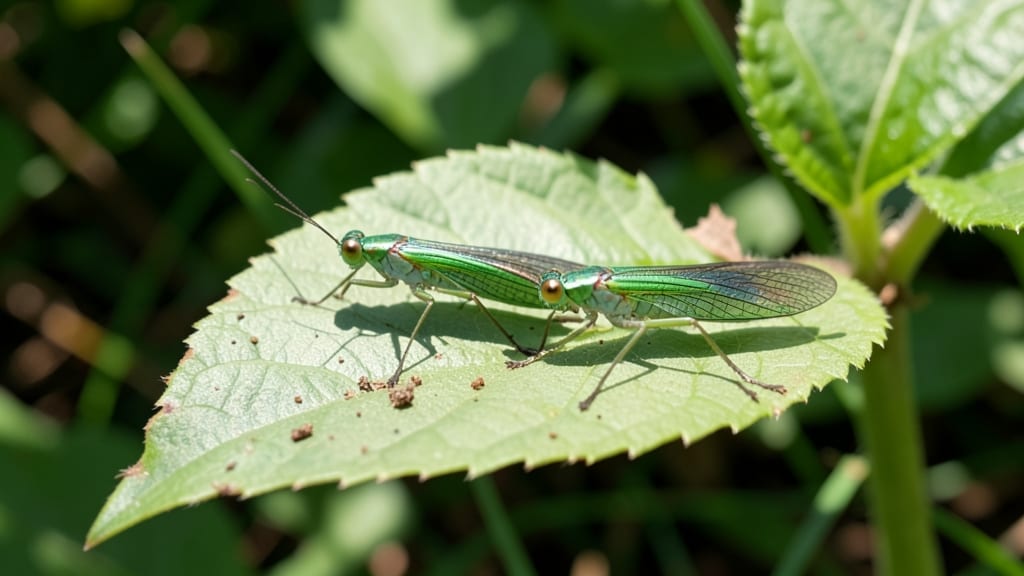
Getting rid of garden bugs doesn’t require harsh chemicals or expensive traps—just a simple, foolproof barrier that works in days. ✨ I’ve used diatomaceous earth for years, and it’s the one tool that finally stopped my aphid infestations without harming my kids or pets.
The secret lies in its microscopic sharpness, which dehydrates soft-bodied pests instantly while leaving plants untouched.
This method is beginner-friendly and works on aphids, slugs, beetles, and even spider mites. You’ll need just a handful of food-grade diatomaceous earth and a light dusting—no mixing, no spraying, and no waiting weeks for results.
The best part? It’s safe for beneficial insects like ladybugs and bees when applied correctly, so your garden stays in balance.
Within 24-48 hours, you’ll see a dramatic drop in pest numbers as they dry out and die. The barrier lasts for weeks with light rain, and you can reapply as needed.
Your plants will look healthier almost immediately, with fewer chewed leaves and more vibrant growth. Plus, it’s a non-toxic solution that keeps your garden thriving without the chemical residue.
Works year-round for most pests, though heavy rain may require reapplication. Perfect for vegetable gardens, flower beds, and even houseplants—just keep it away from windy areas to avoid spreading. Here’s how to use it safely and effectively for lasting protection.
Root Causes Of Garden Bugs
Your garden might feel like an all-you-can-eat buffet for bugs, but these tiny intruders don’t just show up for fun. Understanding why they invade is the first step to keeping them out.
Here’s a breakdown of the most common reasons—backed by science—and how they turn your lush garden into their favorite hangout.
Bugs thrive in dense, unhealthy plant growth because overcrowding creates the perfect hiding spot. When plants are too close together, airflow and sunlight struggle to reach the lower leaves, creating damp, shaded conditions that pests adore. For example:
- Fungal gnats and slugs love moist soil and decaying organic matter trapped in thick foliage.
- Aphids and whiteflies cluster on undersides of leaves where humidity lingers, protecting their eggs from drying out.
- Root maggots and cutworms burrow into weak, overcrowded seedlings, mistaking them for easy prey.
Science note: Studies show that poor spacing increases pest pressure by up to 40% because stressed plants release more volatile organic compounds (VOCs) that signal distress to insects—essentially sending out a "help, I’m weak!" distress flare.
Water is the #1 magnet for garden pests. Whether from overwatering, poor drainage, or morning dew, excess moisture turns your garden into a bug hotel. Here’s why:
| Bug Type | Why They Love Water | Science Behind It |
|---|---|---|
| Slugs & Snails | Need moisture to breathe through their skin. | Their slime trails dry out in low humidity (<70%), but thrive in soil with 80%+ moisture. |
| Fungal Gnats | Lay eggs in damp soil where fungus grows. | Adults are drawn to CO₂ and microbial activity in wet, decomposing organic matter. |
| Rust & Powdery Mildew Fungi | Spores spread faster in humid conditions. | Requires leaf surfaces to stay wet for 4+ hours to germinate and infect plants. |
Pro tip: 🌡️ Check soil moisture with a trowel—if it’s damp 2 inches down, you’re overwatering. Aim for "damp but not soggy" to deter pests.
Healthy soil isn’t just good for plants—it’s a gourmet meal for pests. When your garden is packed with nitrogen, phosphorus, and organic matter, bugs get a free, all-you-can-eat spread. Here’s what’s on the menu:
- Grubs & Beetles: Feast on decaying roots high in nitrogen.
- Ants: Farm aphids for their honeydew (sweet plant sap), which thrives in nutrient-dense leaves.
- Wireworms: Target young seedlings rich in starches from compost.
Science note: A 2018 study in Journal of Pest Science found that soil with high organic carbon content attracts 3x more grubs than lean soil. Over-fertilizing? You’re basically inviting a buffet.
Bugs are the ultimate squatters. Leaves, rocks, and even that "tidy" mulch pile near your fence line become their hidden headquarters. Here’s how they use your garden’s clutter:
- Leaf Litter: Earwigs and pill bugs hide under damp leaves to avoid predators and dry conditions.
- Wood & Bark Mulch: Termites and carpenter ants nest in untreated wood, while spider mites spin webs in bark crevices.
- Weeds & Wild Growth: Stink bugs and harlequin bugs overwinter in tall grasses and brambles.
Science-backed fact: The University of California’s Pest Management Program reports that removing debris reduces pest populations by 50-70% because it eliminates their microclimates (tiny ecosystems with perfect humidity/temp for breeding).
Stressed plants are like open invitations to pests. When plants are nutrient-deficient, diseased, or injured, their natural defenses drop, making them prime targets. Common triggers:
- Drought Stress: Aphids and spider mites attack plants struggling to produce secondary metabolites (natural pest-repelling chemicals).
- Fungal Infections: Japanese beetles prefer wilted, fungus-infected roses because the plant’s tannins (bitter compounds) break down.
- Physical Damage: Cutworms seek out recently pruned or transplanted plants because their cell sap is easier to access.
Key insight: A 2020 study in Plant Pathology Journal found that plants under stress emit volatile organic compounds (VOCs) like methyl salicylate—which attracts predators of the plant’s natural defenses, like whiteflies and thrips. 🚨
Fix Your Garden Bug Woes
Now that you know the root causes behind those unwanted garden visitors, let’s tackle them head-on with practical, eco-friendly solutions. Whether you’re dealing with soil-dwelling pests, leaf-munching critters, or flying invaders, these targeted fixes will help you reclaim your garden—without harsh chemicals.
If bugs are thriving because your soil is compacted, nutrient-poor, or overwatered, start here.
🔥 Improve Soil Health
- Aerate the soil: Use a garden fork or manual aerator to break up compacted areas. This helps roots breathe and deters pests like grubs and fungus gnats.
- Add organic matter: Mix in compost, aged manure, or coconut coir to boost fertility. Healthy soil = stronger plants that repel pests naturally.
- Adjust watering: Overwatering invites fungus gnats and slugs. Water deeply but infrequently (1–2 inches per week) and improve drainage with sand or gravel.
💡 Prevention Tip: Mulch with straw or wood chips to retain moisture without creating a damp, bug-friendly layer. Keep mulch 2–3 inches away from plant stems.
Aphids, caterpillars, and beetles love feasting on leaves. Stop them before they start.
🍳 Row Covers & Netting
- Lightweight row covers: Drape fine mesh over seedlings or young plants to block pests like cabbage moths and flea beetles. Secure edges with soil or stakes.
- Individual plant shields: For prized plants, use floating row covers (like Reemay fabric) or cage-like protectors for tomatoes and peppers.
👨🍳 DIY Spray Bottle Blasts
- Soapy water spray: Mix 1 tsp mild dish soap + 1 quart water in a spray bottle. Blast aphids, mites, and soft-bodied bugs directly. Reapply every 2–3 days.
- Neem oil solution: Combine 1 tbsp neem oil + 1 tsp soap + 1 quart water. Spray leaves (especially undersides) to deter chewing insects and disrupt their life cycles.
⏰ Timing Matters: Apply sprays early morning or late evening to avoid harming bees and other pollinators.
These slimy or armored pests thrive in damp, hidden spots. Lure them out and eliminate them manually.
🔪 Beer Traps for Slugs & Snails
- Bury a shallow container (yogurt cup) filled with beer up to its rim. The scent attracts slugs, which drown overnight. Empty and refill every 2–3 days.
- Alternative: Use copper tape around pots—slugs get a mild electric shock and avoid the area.
🌡️ DIY Earwig Barriers
- Crushed eggshells or diatomaceous earth (DE): Sprinkle around plant bases to create a gritty barrier earwigs can’t cross.
- Moisture control: Earwigs love dampness. Water plants at the base (not overhead) and clear debris where they hide.
🎯 Pro Tip: Handpick earwigs at night with a flashlight—they’re slow-moving and easy to spot under rocks or mulch.
These pests multiply fast. Break their life cycle with strategic interventions.
🍎 Yellow Sticky Traps
- Hang yellow cards coated with petroleum jelly or sticky traps near affected plants. Whiteflies and aphids are attracted to yellow and get stuck.
- Best for: Greenhouses, indoor plants, or high-infestation areas.
🌿 Companion Planting
- Marigolds: Repel nematodes, aphids, and whiteflies with their strong scent.
- Basil & Garlic: Plant near tomatoes or herbs to deter flies and mosquitoes.
- Nasturtiums: Act as a "trap crop" for aphids—plant them away from veggies to lure pests away.
✨ Quick Fix: Fan them out—Whiteflies hate moving air. Place a small fan near plants for 10–15 minutes daily to disrupt their flight patterns.
Once you’ve addressed the immediate problem, keep pests at bay with these habits:
- Rotate crops annually to starve soil-borne pests. - Encourage predators: Ladybugs, lacewings, and birds eat aphids and caterpillars.
Install a small water dish or birdhouse to attract them. - Inspect plants weekly: Catch infestations early when they’re easier to manage. - Use diatomaceous earth (DE) strategically: Sprinkle food-grade DE around plant bases (not directly on leaves) to dehydrate crawling insects like slugs and ants.
Reapply after rain.
Remember: Patience is key! Some fixes (like soil amendments) take time, but consistency pays off. With these targeted solutions, your garden will be bug-free in no time—without resorting to toxic sprays. 🌿✨
Frequently asked questions
How long does diatomaceous earth take to work on garden pests?
For soft-bodied insects like aphids, slugs, and beetles, you’ll see results within 24-48 hours as they dehydrate. The barrier effect lasts 1-2 weeks or until rain washes it away. Reapply after watering to maintain effectiveness. For burrowing pests like grubs, it may take 3-5 days to fully eliminate them.
Is diatomaceous earth safe for pets and kids?
Yes, when using food-grade diatomaceous earth. It’s non-toxic but can irritate lungs if inhaled in large amounts. Always wear a dust mask when applying and avoid letting pets walk through treated areas until it settles. Keep it away from water sources where animals drink.
Can I use diatomaceous earth on edible plants like vegetables?
Food-grade diatomaceous earth is safe for organic gardening. Lightly dust around the base of plants (not directly on leaves) to avoid clogging stomata. Wait 24 hours before harvesting to ensure any residual dust settles. It won’t leave harmful residues on produce.
What’s the best time of day to apply diatomaceous earth?
Apply it on a dry, calm day—early morning or late afternoon works best. Avoid windy conditions to prevent it from spreading to unintended areas. The microscopic particles work best when dry, so watering afterward will reduce effectiveness.
Will diatomaceous earth kill beneficial insects like bees and ladybugs?
No, when applied correctly. Diatomaceous earth only harms insects with exoskeletons (like ants, slugs, and beetles) that come into direct contact with it. Bees and ladybugs have harder bodies and avoid walking through it. Apply it around plant bases, not on flowers or foliage where pollinators visit.