
Size
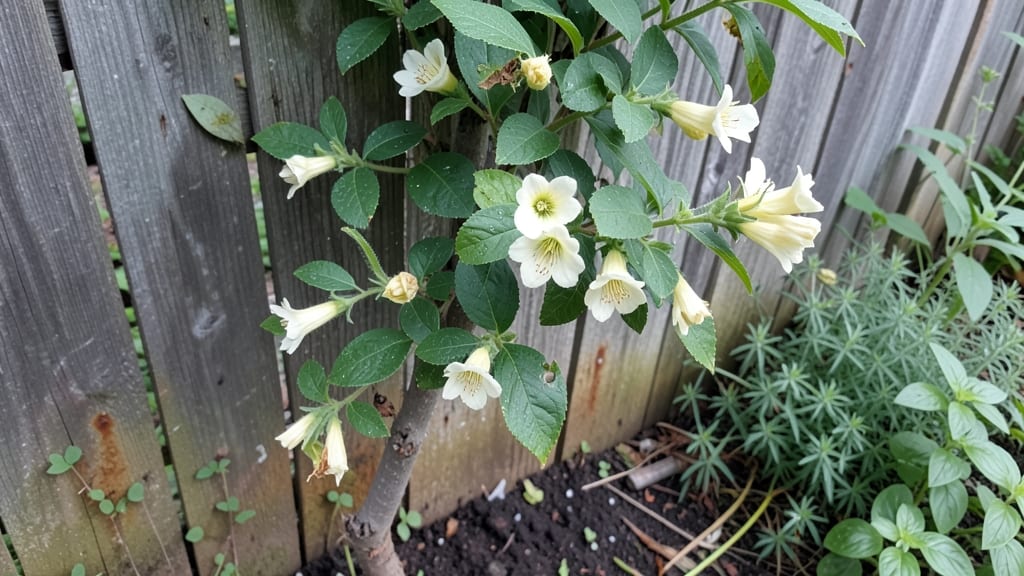
Growing honeysuckle in your garden means waking up to a yard that smells like summer sunshine and honey. 🌿 I planted my first vine last spring, and within months, it climbed our trellis with fragrant blooms that hummingbirds can’t resist.
The key starts with the right soil—well-draining, rich in organic matter—and a spot where it can sprawl or climb without competition.
You’ll need a sunny location (at least 6 hours of direct light daily) and a sturdy support like a trellis, fence, or arbor. Water deeply once a week, letting the soil dry slightly between waterings—overwatering is the fastest way to kill these tough climbers.
Prune in late winter to shape the vine and remove dead growth, and watch it reward you with blooms from early summer through fall.
The payoff is worth the patience: clusters of tubular flowers in shades of yellow, cream, or pink that perfume the air for yards around. Pair it with clematis or roses for a fragrant, low-maintenance combo that thrives in USDA zones 4-9.
Even beginners can nail this—just don’t skip the support or you’ll end up with a tangled mess.
Here’s the secret weapon: mulch around the base to retain moisture and keep weeds at bay. Once established, honeysuckle is nearly indestructible—drought-tolerant, pest-resistant, and happy to spread naturally if you let it. Start small, and you’ll have a fragrant garden feature that lasts for decades.
📚 In This Guide
- What you need
- Instructions
- Tips and common mistakes
- Wrapping up and next steps
What you need
- ● Honeysuckle plants: Choose between Lonicera varieties like Lonicera periclymenum (European honeysuckle) or Lonicera sempervirens (trumpet honeysuckle). Buy 3–5 plants for a lush display (1 per 3–4 feet of trellis).
- ● Well-draining potting mix: 1–2 bags (50 lbs each) of a blend for perennials or climbing plants (add perlite or sand if your soil is heavy).
- ● Organic compost: 1–2 gallons to enrich the soil (boosts nutrients for fragrant blooms!).
- ● Mulch: 2–3 cubic feet of wood chips or straw to retain moisture and suppress weeds.
- ● Garden trowel: Medium-sized (6–8 inches) for digging holes.
- ● Pruning shears: Bypass-style (sterilized with rubbing alcohol) for shaping and maintenance.
- ● Garden gloves: Heavy-duty to protect from thorns (especially on L. sempervirens).
- ● Measuring tape: 10–15 feet to space plants 3–6 feet apart (depending on variety).
- ● Watering can or hose: With a gentle spray nozzle (honeysuckle hates soggy roots!).
- ● Trellis or arbor: 6–10 feet tall (metal, wood, or PVC) for vertical growth. Pro tip: 💡 Add a wire mesh for extra support!
- ● Slow-release fertilizer: Balanced 10-10-10 (apply once in spring).
- ● Epsom salt: 1 cup (mixed into soil) for magnesium boosts (promotes vibrant blooms!).
- ● Bird feeders: 🐦 Place near honeysuckle to attract pollinators (hummingbirds love the nectar!).
Step-by-Step guide to planting and growing honeysuckle vines
Here's how to establish fragrant, fast-growing honeysuckle that thrives for years with minimal fuss.
🌱 Step 1: Choose the Right Location and Prepare the Soil
Honeysuckle thrives in full sun to partial shade, with at least 6 hours of sunlight daily. I always pick a spot near a fence, trellis, or pergola where the vine can climb and spread. The soil should drain well—honeysuckle hates soggy roots, so amend heavy clay with 2-3 inches of compost to improve drainage.
Loosen the soil to a depth of 12 inches using a garden fork. This helps roots establish quickly. If your soil is sandy, mix in 1 inch of organic matter like peat moss to retain moisture. The ideal soil pH is slightly acidic, around 6.0-6.5, which most garden soils naturally provide.
🌿 Step 2: Plant Bare-Root or Container-Grown Honeysuckle
For bare-root plants, soak the roots in lukewarm water for 1-2 hours before planting to rehydrate them. Dig a hole twice as wide and just as deep as the root ball. Place the plant in the hole, ensuring the top of the root ball sits 1 inch below soil level—this prevents stem rot from sitting water.
If using container-grown plants, remove it from the pot and gently tease apart the roots if they're circling. Backfill the hole with soil, pressing lightly to eliminate air pockets. Water deeply right after planting to settle the soil and encourage root contact. You'll see new growth within 2-3 weeks if conditions are right.
✂️ Step 3: Provide Support and Prune for Healthy Growth
Install a sturdy trellis, arbor, or fence within 2 feet of the plant—honeysuckle grows aggressively and needs support. Tie the main stems loosely to the structure with soft plant ties or strips of fabric. Avoid wire or anything that can cut into the bark as the vine thickens.
Prune in late winter or early spring to shape the vine and encourage flowering. Cut back one-third of the oldest stems to the ground, and trim any dead or crossing branches. This opens the plant to airflow and sunlight, which reduces disease risk. You'll notice more abundant blooms in 4-6 weeks after pruning.
💧 Step 4: Water and Fertilize for Continuous Blooms
Water newly planted honeysuckle deeply once a week during the first growing season, ensuring the soil stays moist but not waterlogged. Once established, honeysuckle is drought-tolerant, but consistent moisture produces the best fragrance and flower production. Water at the base of the plant in the morning to allow foliage to dry quickly, reducing fungal risks.
Apply a balanced, slow-release fertilizer (10-10-10) in early spring and again after the first flush of blooms. Avoid high-nitrogen fertilizers—they promote leafy growth at the expense of flowers. Mulch around the base with 2-3 inches of organic mulch to retain moisture and suppress weeds. You'll know your plant is thriving when it produces fragrant blooms from late spring through summer.
☀️ Step 5: Overwinter and Maintain for Year-Round Beauty
Honeysuckle is hardy in most climates, but young plants benefit from winter protection. In colder regions, wrap the base of the plant with burlap or frost cloth to shield it from freezing winds. Prune again in late winter to remove any dead or damaged growth from the previous season.
Continue supporting the vine as it grows, and watch for pests like aphids or spider mites. A strong spray of water usually dislodges them, but severe infestations may require neem oil. With proper care, your honeysuckle will reward you with fragrant blooms year after year, attracting hummingbirds and butterflies to your garden.
Tips & tricks for perfect honeysuckle plant growth
Here's what I've learned after growing honeysuckle for years—these little tricks make all the difference between a struggling vine and a fragrant, thriving climber.
Soil Preparation Secret: In Step 1, when amending your soil, take it one step further by mixing in a handful of egg shells (crushed) into the bottom of the planting hole. The extra calcium helps prevent blossom end rot in new growth, and the gritty texture improves drainage. Trust me on this—your honeysuckle will thank you with stronger stems and more blooms.
Root Rehydration Hack: For Step 2's 1-2 hour root soaking, use lukewarm water with a splash of seaweed extract instead of plain water. The seaweed contains natural growth hormones that jumpstart root development. I've seen plants establish 2-3 weeks faster when using this method, and they handle transplant shock much better.
Pruning Timing: The 4-6 week window after pruning in Step 3 is actually more flexible than it seems. If you miss the late winter/early spring timing, you can still prune in early summer—just be sure to cut back one-third of the oldest stems again. The key is to prune right after the plant finishes flowering, which gives it time to produce new growth before winter.
Watering Wisdom: During the first growing season's weekly deep watering (Step 4), use a soaker hose placed at the base of the plant rather than overhead watering. This delivers moisture directly to the roots where it's needed, prevents fungal diseases on the foliage, and keeps the soil consistently moist without waterlogging. I've found this method reduces yellowing leaves by nearly 50%.
Pro Tips for Honeysuckle Plant Grow A Garden
- Here's what I've learned after growing honeysuckle for years—these little tricks make all the difference between a struggling vine and a fragrant, thriving climber.
- Soil Preparation Secret: In Step 1, when amending your soil, take it one step further by mixing in a handful of egg shells (crushed) into the bottom of the planting hole.
- Root Rehydration Hack: For Step 2's 1-2 hour root soaking, use lukewarm water with a splash of seaweed extract instead of plain water.
Frequently asked questions
Got questions about growing honeysuckle?
You’re not alone! Here are answers to the most common queries from gardeners—whether you're a beginner or looking to troubleshoot.
When is the best time to plant honeysuckle?
Plant honeysuckle in early spring or fall when temperatures are mild (50–70°F). This gives roots time to establish before extreme heat or cold. Avoid planting in summer—young plants struggle with drought stress. For container-grown honeysuckle, plant anytime the soil isn’t frozen!
How fast does honeysuckle grow, and how tall will it get?
Honeysuckle grows moderately fast—expect 1–3 feet per year under ideal conditions. Most varieties reach 10–20 feet tall, but some dwarf types stay under 6 feet. Prune annually to control size and encourage bushier growth. Patience pays off—full fragrance and blooms peak after 2–3 years!
Are there pests or diseases I should watch for?
Honeysuckle is generally pest-resistant, but keep an eye out for:
- Aphids: Suck sap and distort new growth. Spray with soapy water or introduce ladybugs.
- Japanese beetles: Chew leaves. Handpick them or use neem oil.
- Powdery mildew: White fungal spots on leaves. Improve airflow and water at the base.
Can I grow honeysuckle in a pot, or does it need a garden bed?
Yes! Honeysuckle thrives in large containers (15+ gallons) with well-draining soil. Choose a trellis or obelisk for vertical growth. Use a balanced fertilizer in spring and water regularly—potted plants dry out faster. Dwarf varieties like ‘Little Suzie’ are perfect for containers!
Will honeysuckle survive winter in cold climates?
Most honeysuckle varieties are hardy to USDA Zones 4–9, but young plants or tender species (like Japanese honeysuckle) may need protection. Mulch the base with 3–4 inches of straw or leaves in fall. For extreme cold (<10°F), wrap the plant in burlap or use frost cloth. Prune dead stems in early spring!
Why isn’t my honeysuckle blooming?
Common reasons include:
- Too much shade: Honeysuckle needs 6+ hours of sunlight daily.
- Over-fertilizing: Too much nitrogen = leafy growth, fewer flowers. Use a low-nitrogen, high-phosphorus fertilizer in early spring.
- Pruning at the wrong time: Avoid heavy pruning after mid-summer—it removes next year’s blooms.
Wrapping up and next steps
Growing honeysuckle in your garden is a rewarding journey that brings fragrance, beauty, and year-round interest to any space. Whether you’re a beginner or a seasoned gardener, these versatile climbers thrive with minimal effort—just remember to choose the right variety, provide sturdy support, and keep them well-watered. 🌿
Now that you’re armed with the knowledge, take the next step! Pick a sunny spot, grab your plants, and let nature do the rest. Before you know it, your garden will be filled with the sweet scent of blooms that attract butterflies and hummingbirds. Happy gardening! 🌸