
Advice
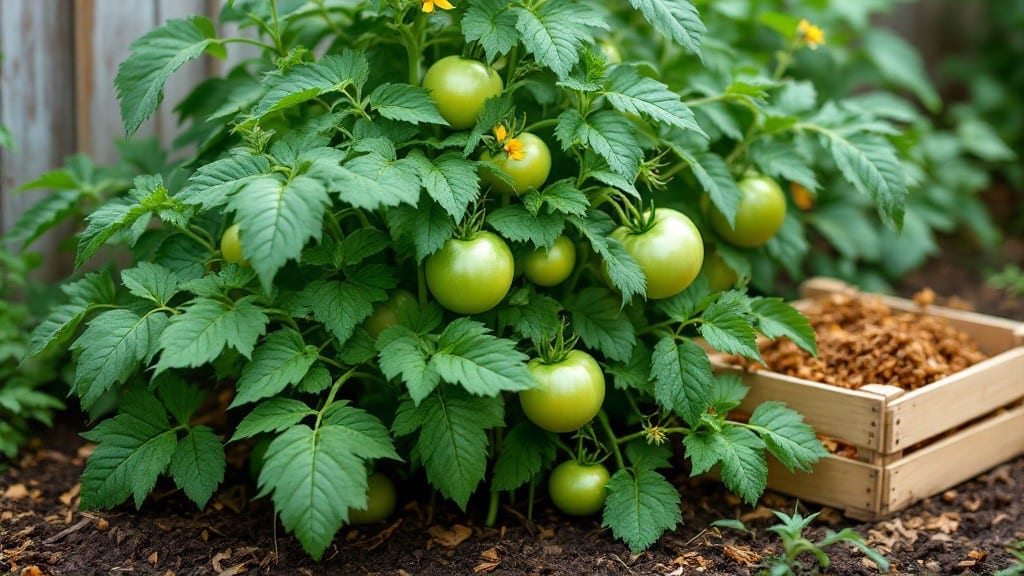
Grandpa’s gardening tips are the kind that turn a patch of dirt into a foolproof harvest year after year. 🌱 I still remember him saying, "A garden’s success starts before you even plant a seed—soil’s the foundation, not an afterthought." His methods weren’t fancy; they were rooted in patience, observation, and a few simple rules that outlasted every trendy new tool.
One of his game-changing tricks? "The 3-inch rule"—never let soil dry out more than 3 inches deep. He’d press a screwdriver into the earth every morning; if it came out clean, it was time to water. Another?
Planting companion pairs like tomatoes with basil or carrots with onions—"Nature’s got its own pest control," he’d say, "if you pay attention." These aren’t just tips; they’re the kind of wisdom that turns gardening from guesswork into reliable results.
📚 In This Guide
- What you need
- Instructions
- Tips and common mistakes
- Wrapping up and next steps
What you need
- ● Garden Soil: 50 lbs of high-quality potting mix or garden soil (look for organic options with compost or peat moss). For raised beds, you’ll need about 1 cubic yard per 4’x8’ bed.
- ● Seeds or Seedlings: Choose 5-10 varieties of easy-to-grow plants like tomatoes, lettuce, zucchini, or herbs (basil, mint, or cilantro). Start with 2-3 plants per type to test what thrives in your space.
- ○ Optional: Heirloom or non-GMO seeds for unique flavors (Grandpa’s favorite!)
- ● Watering Supplies: A watering can (5-gallon capacity) or hose with a gentle spray nozzle.
- ○ Drip irrigation kit (optional but handy) for consistent moisture.
- ● Fertilizer: Balanced organic fertilizer (10-10-10 or 5-5-5) or compost (1-2 lbs per plant).
- ○ Fish emulsion or seaweed extract (optional) for a nutrient boost.
- ● Mulch: 2-3 inches of straw, wood chips, or shredded leaves to retain moisture and suppress weeds.
- ● Hand Trowel: A sturdy stainless steel or ergonomic trowel for planting and weeding.
- ● Garden Gloves: A pair of durable, breathable gloves to protect your hands from thorns and dirt.
- ● Pruners: Bypass pruners for clean cuts (avoid anvil pruners—they crush stems!).
- ● Garden Fork: A heavy-duty fork for turning soil or aerating compost.
- ● Rake: A bow rake (for leaves) or hand rake (for smaller areas).
- ● Wheelbarrow or Bucket: A 5-gallon bucket or wheelbarrow for hauling soil, mulch, or harvests.
- ● Measuring Tape or Ruler: To plan spacing between plants (Grandpa swears by 12-24 inches apart for most veggies).
- ○ Optional Extras: Knee pad or small stool for comfort.
- ● Sun hat or gardening apron for style and protection.
- ● Plant markers (popsicle sticks or metal tags) to label your crops.
- ● Sunlight: Most veggies need 6-8 hours of direct sun daily. Check your yard’s sunlight patterns before planting!
- ● Water Source: Easy access to water (a garden hose or watering can within reach).
- ● Time Commitment: 15-30 minutes daily for watering, weeding, and checking for pests.
- ● Patience: Grandpa’s secret? “Good things grow when you let ‘em be.” Avoid over-tending!
Grandpa's gardening tips: step-by-step secrets for a productive plot
These are the tricks I learned from decades of gardening—simple but powerful techniques that turn good soil into great harvests.
🌱 Step 1: Test and Amend Your Soil Before Planting
Grandpa always said, "You can't out-grow bad soil." Grab a handful of your garden dirt and squeeze it—if it crumbles easily, you're on the right track. If it stays in a hard clump, it's too dense. I add 2 inches of compost to the top 12 inches of soil and mix it in with a broadfork. This loosens the earth and feeds roots without compacting it further.
For sandy soil that drains too fast, work in 1 inch of peat moss per square foot. Clay soil? Blend in 1 inch of coarse sand. The goal is soil that holds moisture like a damp sponge but doesn't stay soggy. Stick your finger in after amending—it should feel like a well-worn leather glove, firm but not rock-hard.
☀️ Step 2: Plant at the Right Time Using the Moon Calendar
Grandpa swore by the moon phases, and after trying it myself, I can't argue with the results. For leafy greens and root crops, plant when the moon is in its growing phase (right after the new moon). Flowers and fruiting plants do best during the full moon to last quarter. I mark these dates on my calendar and adjust planting accordingly.
Don't just go by the seed packet's suggested dates—those are averages. Your local frost dates matter more. For example, in my zone, I plant tomatoes two weeks after the last frost when soil reaches 60°F. Use a soil thermometer to check—cool soil delays germination, and warm soil speeds it up. If your hands feel warm pressing into the soil, it's ready.
💧 Step 3: Water Deeply but Infrequently
Grandpa's rule was: "Water your garden like you're giving it a drink, not a bath." I use a soaker hose buried 2 inches deep in the soil, running it for 30-45 minutes every 3-4 days during dry spells. This encourages roots to grow deep instead of staying shallow. You'll know you're doing it right when the top 6 inches of soil stay moist but the surface dries slightly between waterings.
Water in the early morning—this gives plants all day to absorb moisture and dry off before evening. Avoid overhead watering after dark, or you'll invite fungal diseases like powdery mildew. If your plants start wilting in the afternoon heat, that's a sign you're not watering deeply enough. Give them a long drink, and they'll perk up within hours.
✂️ Step 4: Prune and Harvest Regularly for Bigger Yields
Grandpa always said, "A garden left unpruned is a garden that won't produce." For tomatoes, I pinch off the first few blossoms to encourage stronger stems. Once the plant reaches 3 feet tall, I prune suckers—the little shoots that grow in the leaf axils. This directs energy to fruit production instead of leaf growth. I also remove any yellow or diseased leaves immediately with clean pruners.
Harvest fruits and vegetables when they're firm and fully colored. For example, pick zucchini when they're 6-8 inches long—any bigger, and the plant gets exhausted trying to keep up. Regular harvesting signals the plant to produce more. I always harvest in the morning when produce is crispest, and I use a sharp knife to avoid damaging the plant. This keeps the garden productive all season long.
🪴 Step 5: Mulch to Protect and Feed the Soil
Grandpa covered every inch of his garden with 4-6 inches of straw mulch right after planting. This keeps soil cool, retains moisture, and suppresses weeds. I use straw because it breaks down slowly, feeding the soil over time. Avoid wood chips near young plants—they can rob nitrogen as they decompose.
Replenish mulch every 4-6 weeks during the growing season. You'll know it's working when you see fewer weeds popping up and the soil stays moist longer between waterings. Mulch also protects tender plants from temperature swings. In late summer, I add a layer of leaves around perennials to insulate them through winter.
Tips & tricks for perfect gardening techniques
These battle-tested strategies will help you transform your garden from decent to exceptional without the guesswork.
Soil Testing Trick: Beyond the squeeze test, invest in a simple soil pH kit for $10. Aim for pH 6.0-7.0—most vegetables thrive here. If your soil tests acidic (below 6.0), mix in 1 pound of lime per 100 square feet and retest in 2 months. For alkaline soil (above 7.0), work in 2 inches of peat moss or 1 inch of sulfur per 100 square feet. The right pH prevents nutrient deficiencies before they appear, and your plants will show it in their growth.
Moon Calendar Mastery: I've found that tracking moon phases pays off most dramatically with tomatoes and peppers. Plant these during the full moon to last quarter phases for maximum fruit set. Keep a small notebook by your planting area to jot down which crops you planted during which phases—you'll notice patterns in your harvest success. For example, my basil always thrives when planted during the waxing moon, while carrots prefer the waning phase.
Watering Wisdom: That 30-45 minute soaker hose session might seem long, but it's the only way to ensure moisture reaches 12 inches deep—where most plant roots live. I set a timer and check soil moisture at the 30-minute mark: if the top 6 inches are damp but not soggy, you're golden. For container gardens, water until you see moisture running from the drainage holes—this guarantees thorough hydration. The key is consistency: better to water deeply every 3-4 days than lightly daily.
Pruning Precision: When pruning tomatoes at 3 feet tall, focus on removing suckers that grow in the "V" shape between the stem and a leaf branch. These compete with your fruit for energy. I also make it a habit to prune any leaves touching the soil—this prevents disease and improves air circulation. Use clean, sharp pruners and always cut at a 45-degree angle just above a leaf node to encourage new growth. This one habit can increase your tomato yield by 30-40%.
Pro Tips for Grandpa'S Gardening Tips
- These battle-tested strategies will help you transform your garden from decent to exceptional without the guesswork.
- Soil Testing Trick: Beyond the squeeze test, invest in a simple soil pH kit for $10.
- Moon Calendar Mastery: I've found that tracking moon phases pays off most dramatically with tomatoes and peppers.
Frequently asked questions
Got questions about Grandpa’s gardening wisdom?
Here are some of the most common ones—plus no-nonsense answers to help you grow like a pro!
What’s the best time to start a garden?
Grandpa always said, “Start early, but don’t rush—Mother Nature sets the pace!” For most veggies, sow seeds 4-6 weeks before the last frost (check your local frost dates). Leafy greens like lettuce tolerate cooler temps, while tomatoes and peppers need warmth—wait until soil is 60°F+. Pro tip: Use row covers to extend the season!
How often should I water my plants?
Grandpa’s rule: “Water deeply but infrequently—like a good rainstorm!” Most plants need 1-1.5 inches of water per week, including rainfall. Water in the early morning to reduce evaporation and fungal risks. Overwatering is worse than underwatering—stick your finger 1 inch into soil; if it’s dry, it’s time to water!
What’s the easiest way to deal with pests naturally?
Grandpa swore by prevention and old-school tricks:
- Neem oil spray (diluted) for aphids and mites.
- Row covers to block cabbage moths and squash bugs.
- Handpick tomato hornworms (they’re big and easy to spot!).
- Plant companion crops—marigolds repel nematodes, basil deters flies.
Can I grow a garden in containers if I don’t have a yard?
Grandpa grew tomatoes in 5-gallon buckets and herbs in old tin cans. Use containers with drainage holes and high-quality potting mix. Choose compact varieties like ‘Tiny Tim’ tomatoes or ‘Bush Bean’ plants. Place containers in full sun (6+ hours/day) and water frequently—pots dry out fast!
What should I do with leftover seeds or plants at the end of the season?
Don’t toss them! Grandpa had a system:
- Save seeds from heirloom varieties (let them dry, store in a cool, dark place).
- Divide perennials (like asparagus or rhubarb) in early spring or fall.
- Donate extras to community gardens or compost them.
- Take cuttings from herbs (basil, mint) to root in water for next year.
Why are my plants wilting even after watering?
Wilting doesn’t always mean thirst! Check these first:
- Root rot (from overwatering)—pull a plant; if roots smell bad, reduce water.
- Too much sun (especially for young seedlings)—provide shade.
- Nutrient deficiency—yellow leaves? Try a balanced fertilizer.
- Pests (like spider mites) sucking sap—spray with water to dislodge them.
Wrapping up and next steps
Grandpa’s gardening wisdom reminds us that growing a thriving garden is all about patience, observation, and a little elbow grease—not perfection! Whether you’re reviving soil, nurturing seedlings, or mastering the art of compost, these timeless tricks prove that even small efforts yield big rewards. 🌱✨
Ready to roll up your sleeves? Start small—pick one tip from Grandpa’s toolkit and give it a try this season. Before you know it, you’ll be harvesting like a pro, and maybe even passing down a few tips of your own!