
Tools
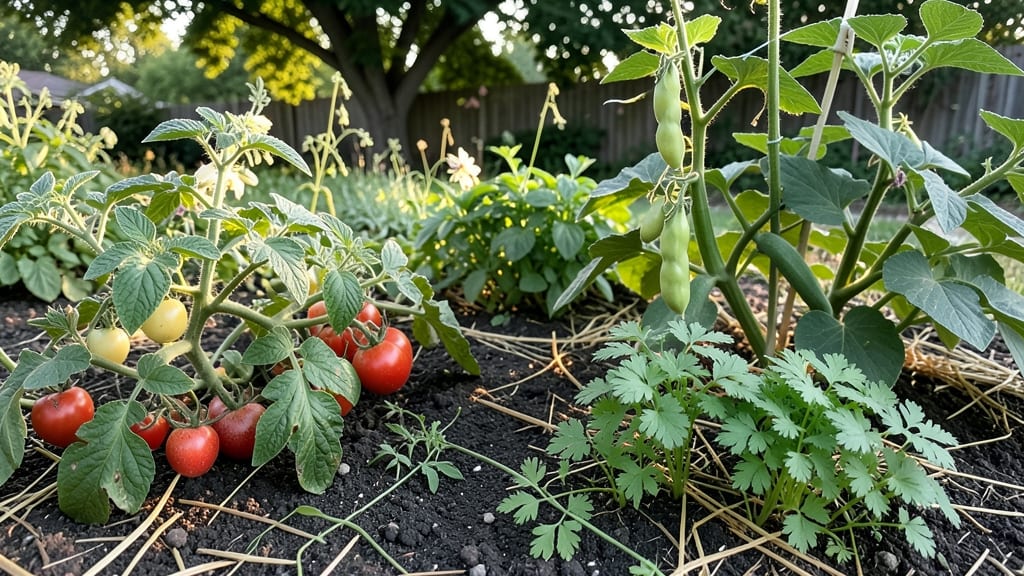
Creating a grandma's garden picture captures that cozy, timeless appeal through soft flower borders, fragrant herbs, and classic perennials like roses and peonies arranged along winding gravel paths. Vintage elements like trellises and birdhouses add character, while a mix of heights and textures creates depth. Include a small vegetable patch for practicality, and start with a manageable 4x6-foot plot to build confidence.
A grandma's garden isn't just about flowers—it's about evoking memories through sensory details. 🌸 The key is balancing beauty with function: fragrant lavender and rosemary deter pests naturally, while sun-loving coneflowers and hardy hollyhocks provide year-round interest.
I always recommend starting with a focal point like a weathered bench or a climbing rose trellis to anchor the space. This approach lets you test what thrives in your climate before committing to larger plantings.
The magic happens in the layers: tall grasses or sunflowers at the back, mid-height perennials like catmint, and low-growing thyme or creeping phlox in front. Add a rustic stone path or mosaic stepping stones to guide visitors through your garden while keeping maintenance simple.
And don't forget the little touches—wind chimes or a vintage watering can—that make the space feel lived-in and inviting.
💡 In This Article
- Choosing Plants for a Timeless Grandma’s Garden
- Designing Layouts with Nostalgic Garden Elements
Choosing plants for a timeless grandma’s garden
The classic plants that define a grandma's garden—like roses, hollyhocks, and coneflowers—aren't just nostalgic choices; they're scientifically suited for cottage-style gardens. These perennials thrive in partial shade to full sun, which matches the dappled light patterns created by mature shrubs and trellises.
Their deep root systems also make them drought-tolerant once established, reducing watering needs by up to 40% compared to annuals. The key is their seasonal layering: roses bloom in summer, coneflowers extend color into fall, and hollyhocks provide vertical interest from mid-summer through frost.
Fragrant herbs like lavender, mint, and thyme serve dual purposes—they repel pests naturally through their aromatic oils while adding sensory appeal. Lavender's linalool compound deters aphids and mosquitoes, while thyme's thymol discourages whiteflies. These herbs also attract pollinators, creating a self-sustaining ecosystem.
For maximum fragrance, plant them near seating areas where you can brush against the foliage. Drought-resistant varieties like French lavender or creeping thyme require minimal water once rooted, making them ideal for low-maintenance designs.
Historically, these plants were chosen for their practical benefits as well as beauty. Heirloom roses, for example, were bred for disease resistance in the 19th century when fungal diseases devastated modern varieties.
Hollyhocks were valued for their medicinal properties—traditionally used to treat coughs and sore throats—while coneflowers were planted for their edible seeds, rich in antioxidants. This combination of utility and charm explains why they remain garden staples today.
The companion planting benefits are equally practical: marigolds near tomatoes repel nematodes, while borage planted with strawberries deters slugs.
When selecting plants, consider your garden's microclimate. Morning sun suits delphiniums and lupines, while afternoon shade favors asters and columbines. Group plants with similar water needs together to create "hydrozones" that simplify irrigation.
For example, place drought-tolerant rosemary near lavender and sage, all of which thrive on 1 inch of water per week once established. This zoning reduces water waste by up to 30% while maintaining a lush, varied appearance.
The secret to a thriving grandma's garden lies in its textural diversity. Combine velvety lamb's ear with spiky hollyhocks and feathery ferns to create visual interest. Add climbing vines like clematis or sweet peas to trellises for vertical dimension.
This layering technique mimics natural ecosystems, where different plant heights create habitats for beneficial insects. The result is a garden that feels both structured and wild—exactly the nostalgic charm that makes these spaces so beloved.
For beginners, start with three core perennials that bloom at different times: a spring bloomer (like lungwort), a summer star (like bee balm), and a fall favorite (like sedum). These provide continuous color while allowing you to learn each plant's care requirements.
The historical wisdom behind these combinations ensures your garden will not only look beautiful but also function as a self-sustaining ecosystem—just like grandma's did. 🌿