
Companion Plants
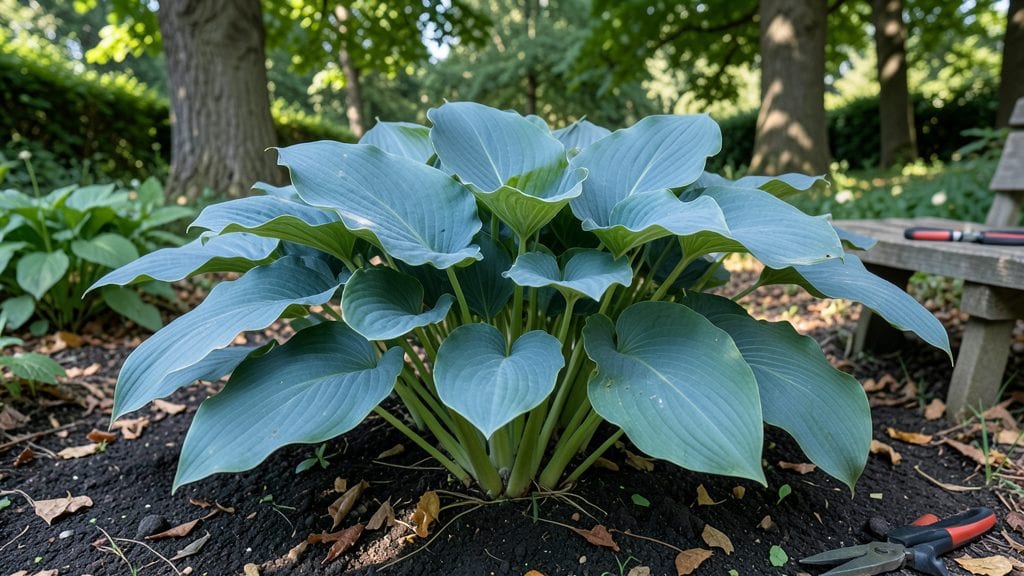
Bringing home live plants for your garden is like adopting a new green pet—except these ones multiply and get prettier every year. 🌱 I’ve learned the hard way that healthy starts mean a thriving garden, so I’ll show you how to pick, transport, and settle them in without stress.
The key isn’t just what you buy, but how you handle them in those first critical hours.
Start by shopping at reputable nurseries or online shops with clear growing conditions listed—avoid wilting leaves or root-bound pots. Once home, keep plants in shade for 24 hours to reduce transplant shock, and water gently but thoroughly.
Most people overwater or rush the acclimation, but taking it slow prevents root stress. A simple spray bottle and a sunny windowsill are all you need to prep them before planting.
By the time you’re ready to plant, your live plants will be ready to thrive. Dig holes twice as wide as the root ball, mix in compost, and water deeply to encourage roots to spread.
Within weeks, you’ll see new growth—proof that your careful prep paid off. The best part? These plants will outperform store-bought annuals because they’re already established and adapted to your climate.
This works for containers, raised beds, or even small balconies—just adjust spacing and sunlight. Whether you’re filling gaps in your garden or starting fresh, these tips ensure your live plants grow strong. Let’s get those roots in the ground!
📚 In This Guide
- What you need
- Instructions
- Tips and common mistakes
- Wrapping up and next steps
What you need
- ● Live Plants (Companion Pairs): 3–5 herbs (e.g., basil, thyme, parsley—pick 2–3 that thrive together)
- ● 2–3 vegetables (e.g., cherry tomatoes + lettuce, or peppers + marigolds)
- ● 1–2 flowering plants (e.g., nasturtiums or alyssum for pollinators)
- ● Containers: 1–2 window boxes (12–18" wide, with drainage holes)
- ● OR 3–5 hanging planters (6–10" deep, for trailing plants like strawberries)
- ● OR raised beds (if space allows; 4’x4’ minimum for companion combos)
- ● Growing Medium: High-quality potting mix (1–2 bags, 1–2 cubic feet each)
- ● Compost (1–2 gallons, for nutrient boost)
- ● Perlite or vermiculite (1 small bag, for drainage)
- ● Tools: 1 trowel (for planting)
- ● 1 pruners (for trimming)
- ● 1 watering can (with a fine rose for gentle watering)
- ● 1 spray bottle (for misting seedlings)
- ● Slow-release fertilizer (e.g., Osmocote, for 3–6 months of nutrients)
- ● Plant supports (e.g., tomato cages or trellises for vining plants)
- ● Mulch (e.g., straw or shredded leaves, to retain moisture)
- ● LED grow lights (if indoor gardening; 12–14 hours/day for seedlings)
- ● Companion plant guide (printable or app, like Gardenate)
Step-by-Step guide to growing live garden plants year-round
Small spaces don’t mean small dreams—here’s how I keep vibrant plants thriving indoors.
🪴 Step 1: Choose the Right Containers and Drainage
Start with containers that have drainage holes—this is non-negotiable. I use a mix of 6-inch pots for herbs and 8-inch containers for leafy greens, all with at least three holes to prevent root rot. If your pots lack drainage, drill extra holes yourself—just don’t skip this. Place a layer of pebbles or broken terracotta at the bottom to create a reservoir for excess water without clogging drainage.
Terracotta pots work best because they breathe, but plastic holds moisture longer in cooler spaces. Whichever you choose, ensure the container is at least 6 inches deep—shallow pots stunt root growth, and you’ll see weaker plants as a result. Group containers together to create a cohesive look while making care easier.
☀️ Step 2: Select Plants for Your Space’s Light Conditions
Know your light first—this determines which plants will thrive. South-facing windows get the most light, while north-facing spots are dimmer. For bright areas, I grow herbs like basil, parsley, and chives, which need 6+ hours of direct sun. In lower light, opt for snake plants, pothos, or cast iron plants, which tolerate indirect light beautifully.
If natural light is lacking, supplement with a grow light placed 6-12 inches above the plants for 12-14 hours daily. You’ll notice leaves stretching toward the light if it’s too far away—this is a sign to adjust the height. Avoid placing plants near drafts or heat sources, like vents or radiators, as temperature swings stress them.
💧 Step 3: Master Watering for Small-Space Success
Overwatering kills more plants than underwatering, so I check soil moisture before watering. Stick your finger 1 inch deep into the soil—if it feels dry, it’s time to water. Use room-temperature water to avoid shocking roots, and water until it drains freely from the bottom. Empty the saucer 10 minutes later to prevent soggy roots.
Most indoor plants prefer moderate moisture, but succulents and cacti need drying out completely between waterings. Group plants with similar water needs together to simplify care. A spray bottle works for mist-loving plants like ferns, while a watering can with a narrow spout gives targeted hydration for container plants.
🌿 Step 4: Rotate and Prune for Healthy Growth
Rotate containers a quarter turn weekly so plants grow evenly toward the light. You’ll see leggy growth or uneven color if they’re always facing the same direction—this is your cue to adjust. Prune leggy stems just above a leaf node to encourage bushier growth. For herbs, snip leaves regularly to promote fuller plants and prevent flowering, which dulls flavor.
Remove yellow or brown leaves immediately—they drain energy from healthy growth. Use clean, sharp scissors to avoid tearing stems. If dust builds up on leaves, wipe them gently with a damp cloth every 2-3 weeks. This mimics outdoor rain and helps plants absorb light more efficiently.
⏰ Step 5: Adjust Care Seasonally for Year-Round Health
In winter, when humidity drops, group plants together and use a pebble tray with water underneath to add moisture to the air. Increase watering slightly if the air feels dry, but avoid soggy soil. In summer, move plants away from hot windows to prevent leaf scorch—you’ll see crispy edges as a warning sign.
Fertilize lightly every 4-6 weeks with a balanced liquid fertilizer during spring and summer. Cut back in fall and winter, as plants grow slower. Watch for pests like spider mites or aphids—isolate affected plants and treat with neem oil or insecticidal soap if needed. A little prevention keeps your small-space garden thriving all year.
Tips & tricks for perfect year-round indoor gardening
Small spaces can actually be an advantage for plant care—here's how to maximize your setup with these game-changing tips.
Container Depth Matters: That "at least 6 inches deep" rule in Step 1 is critical for root development. I've seen plants in shallow pots develop stunted roots that can't support healthy growth. For leafy greens, consider stacking containers vertically—this saves space while giving roots room to breathe. If you're using plastic pots, add a layer of pebbles at the bottom to improve drainage and prevent compacted soil.
Light Supplement Hack: The 12-14 hours of grow light mentioned in Step 2 is ideal, but position matters just as much. Place your grow light on a timer to automate the process, and mount it on an adjustable arm so you can raise or lower it as plants grow. I notice my plants grow most evenly when the light is 8-10 inches above the tallest leaves—this prevents leggy growth while ensuring even coverage.
Watering Technique: The finger test in Step 3 works perfectly, but here's what I've learned: water until you see moisture draining from the bottom holes, then wait exactly 10 minutes before emptying saucers. This gives roots time to absorb what they need while preventing waterlogging. For herbs, I've found they prefer slightly drier soil—let the top inch dry out completely between waterings to prevent bolting (when they flower prematurely).
Pruning Pro Tip: When you're snipping those leggy stems in Step 4, save the cuttings! Place them in water and watch them root within 2-3 weeks. This is how I've propagated basil, mint, and pothos plants for free. Just be sure to use clean scissors and cut at a 45-degree angle just above a leaf node for best results. Regular pruning also encourages bushier growth—your plants will thank you with fuller foliage.
Pro Tips for Garden Live Plants
- Small spaces can actually be an advantage for plant care—here's how to maximize your setup with these game-changing tips.
- Container Depth Matters: That "at least 6 inches deep" rule in Step 1 is critical for root development.
- Light Supplement Hack: The 12-14 hours of grow light mentioned in Step 2 is ideal, but position matters just as much.
Frequently asked questions
Got questions about keeping live plants thriving in small garden spaces?
Here are answers to the most common ones—because even tiny spaces deserve lush, happy greenery!
How do I choose the right live plants for a small garden?
Opt for compact varieties like dwarf herbs (basil, thyme), trailing plants (petunias, strawberries), or vertical growers (cherry tomatoes, ivy). Check light needs—most small-space plants thrive in 4–6 hours of sunlight daily. Avoid fast-spreading roots unless you have a dedicated pot!
When is the best time to plant live plants in small spaces?
For container gardens, plant spring or early fall when temps are mild (50–75°F). If using window boxes or hanging pots, you can plant year-round in warmer climates. Just avoid heatwaves or frost—your plants will thank you!
How often should I water live plants in small containers?
Check soil moisture daily—small pots dry out faster! Water when the top inch feels dry. Morning watering prevents evaporation, and self-watering pots can help if you travel. Overwatering is worse than underwatering—drainage holes are a must!
What do I do if my live plants get pests in a small garden?
Start with neem oil or insecticidal soap for mild infestations. Introduce beneficial bugs (like ladybugs) for organic control. Isolate affected plants and check undersides of leaves—early action prevents spread. Avoid harsh chemicals in small spaces!
Can I reuse soil from last year’s live plants?
Not always! Sterilize soil by baking it (200°F for 30 mins) or mix in fresh potting mix (1/3 old, 2/3 new). If you spot mold or pests, replace it entirely. Small gardens benefit from nutrient-rich, well-draining soil—don’t skimp!
Wrapping up and next steps
Transforming even the smallest space into a lush, year-round garden oasis is simpler than you think! With the right live plants, companion pairings, and a dash of creativity, you can enjoy vibrant greenery no matter the season.
Remember—consistency is key, whether it’s watering, pruning, or rotating seasonal blooms.
Ready to dive in? Start small—pick one corner of your space, gather your supplies, and let your green thumb grow! 🌱✨ Which plant will you bring to life first?