
Landscaping
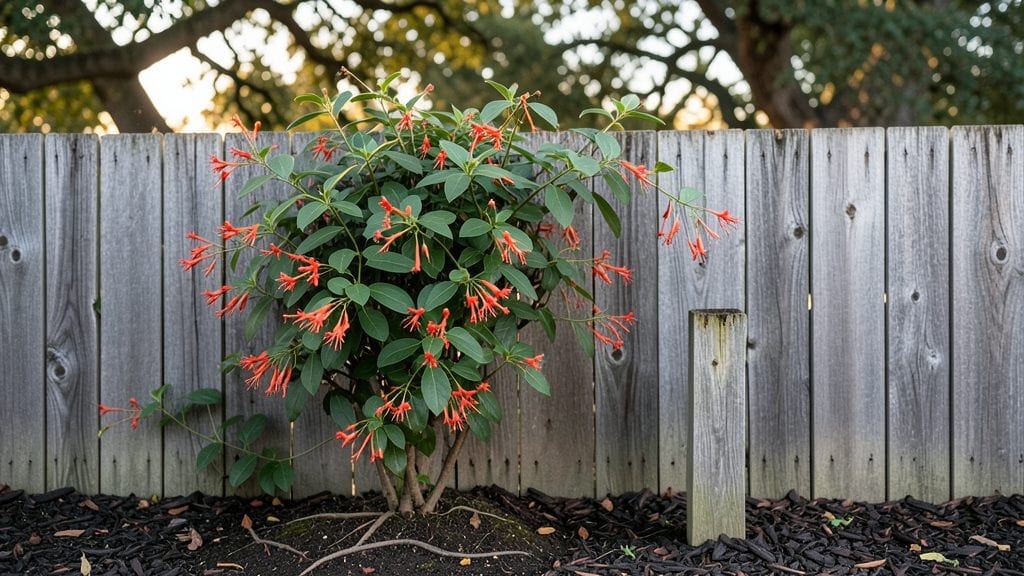
Determining the best garden fence height balances local regulations, privacy needs, and property boundaries—most neighborhoods cap residential fences at 6 to 8 feet, while rural properties or HOA-approved designs may reach 10 feet for wind protection or complete seclusion.
Your fence height isn't just about looks—it's a legal and functional puzzle. Local zoning codes often dictate maximum heights to maintain neighborhood aesthetics and safety, while privacy needs can push you toward taller options.
For example, a 6-foot fence works well for marking property lines, but if you're blocking nosy neighbors or wind, you might need to go up to 8 feet or even 10 feet in rural areas.
Always check your county's building codes first, as some places have strict rules about fence materials too. 💫
Beyond the law, the material you choose affects both height and durability. Wood fences typically max out at 8 feet due to structural limits, while metal or vinyl can sometimes stretch taller.
If you're aiming for a windbreak, consider 10-foot options—but verify if your HOA allows it, as some have height restrictions even for functional fences. Pro tip: Measure your property lines carefully before ordering materials to avoid costly mistakes.
💡 In This Article
- Legal Restrictions on Garden Fence Heights
- Optimal Garden Fence Heights for Privacy and Function
Legal restrictions on garden fence heights
Local zoning laws are the first hurdle when planning fence height, and they vary dramatically by region. For instance, California's state-wide building code caps residential fences at 6 feet in most urban areas, while rural counties like those in Nevada may allow 8 feet without additional permits.
The key factor here is "view obstruction"—many municipalities measure height from the finished ground level to the top of the fence, not the base. This means slopes or uneven terrain can sometimes work in your favor if you're pushing the limits.
Homeowners' associations (HOAs) add another layer of complexity, often imposing stricter rules than local codes. In Florida, for example, many HOAs require fence heights to match neighboring properties—a rule designed to maintain uniformity. Violations can trigger fines ranging from $250 to $1,000, depending on the community's bylaws.
What most people don't realize is that some HOAs allow exemptions for functional fences, like 10-foot agricultural windbreaks, but these require pre-approval and documentation proving the fence's purpose. Always check your HOA's covenants before breaking ground!
Property line disputes are another common pitfall. If your fence encroaches even 1 inch onto a neighbor's land, they can legally demand removal—regardless of height. This is why professional land surveys (costing $300-$600) are worth the investment.
In Texas, for example, counties like Harris require fence height permits for anything over 6 feet, and the application process includes notifying adjacent property owners. The penalty for non-compliance? A $500+ fine and mandatory tear-down in many cases.
Exemptions exist for specific purposes, but they're often overlooked. Agricultural windbreaks (like those in Iowa) can exceed 12 feet with proper zoning approval, while noise barriers near highways may qualify for taller designs. The catch?
You'll need engineering plans and sometimes even environmental impact assessments. For most homeowners, the easiest path is sticking to local max heights—typically 6-8 feet—unless you're willing to navigate bureaucratic hurdles for functional exceptions.
Researching these rules starts with your county's building department website, where height limits are usually listed under "land use" or "zoning codes." For HOA rules, dig into your community's governing documents (often available online).
Pro tip: Call before ordering materials—some counties require permits even for 6-foot fences if they're made of certain materials like chain link. The last thing you want is a half-built fence that violates local laws!
Understanding these legal nuances can save you thousands in fines and headaches. For example, a 7-foot fence that's technically legal in your county might trigger HOA penalties if it doesn't match your neighborhood's aesthetic standards.
Always verify twice: once with local codes, and again with your HOA (if applicable). When in doubt, consult a land-use attorney—some specialize in fence disputes and can clarify gray areas before you pour concrete.