
Tools
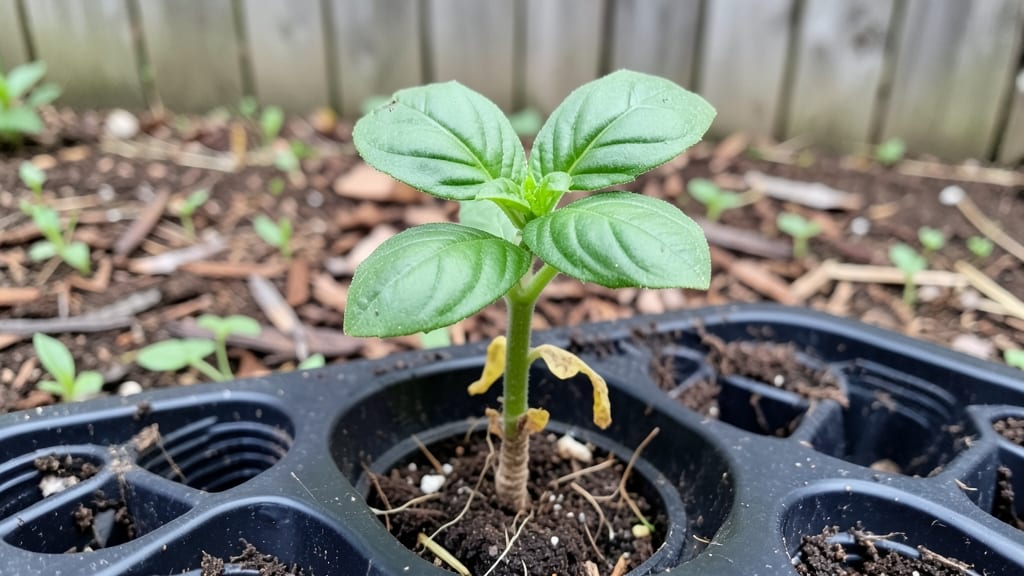
To request a garden catalog from seed companies, simply visit their websites, find the catalog request form, enter your contact details (name, address, email), and submit. Most reputable suppliers provide free digital or printed catalogs featuring seasonal plant selections and expert gardening advice.
A garden catalog request is your gateway to discovering new plant varieties and seasonal gardening trends.
Many seed companies use these requests to tailor their offerings—whether digital PDFs or glossy printed guides—based on your growing zone and preferences. 🌱 I’ve found that submitting requests through their websites often unlocks exclusive content like limited-edition seeds or early-bird discounts.
Always double-check privacy policies, as some companies may use your information for targeted promotions.
Most catalogs arrive within 2-4 weeks during peak seasons (spring and fall), but digital versions are typically available immediately after submission. Pro tip: Request catalogs from multiple suppliers to compare plant selections, pricing, and beginner-friendly options—this helps you make informed choices before planting season begins.
💡 In This Article
- How Seed Companies Handle Catalog Requests
- Top Seed Companies Offering Free Catalogs
How seed companies handle catalog requests
Behind every garden catalog request lies a carefully orchestrated process designed to balance efficiency with personalization. When you submit your details, the company first verifies your information through automated systems that cross-check for accuracy—think of it like a digital quality control step.
This ensures your catalog arrives at the right address and includes relevant plant varieties tailored to your USDA hardiness zone (which most forms ask for).
For example, a request from Zone 5 will highlight cold-hardy varieties like kale or winter wheatgrass, while Zone 9 requests might feature drought-resistant succulents or citrus.
The decision between digital and printed catalogs depends on several factors, including seasonal demand and production capacity. Digital catalogs (PDFs or email attachments) are generated instantly and sent via email, while printed versions require 4-6 weeks of lead time for design, printing, and shipping—especially during peak seasons like early spring.
Some companies, like Burpee, offer both options, with digital catalogs available immediately and printed copies arriving 2-4 weeks later. The choice often comes down to urgency: digital wins for last-minute planning, while printed catalogs appeal to those who enjoy flipping through pages with seed packets.
Data privacy plays a critical role in how these requests are managed. Reputable seed companies comply with CAN-SPAM and GDPR (for international requests) by clearly stating how your information will be used. Most include an opt-in checkbox for marketing emails, but you can typically unsubscribe anytime.
For instance, Park Seed uses your request to send seasonal updates but never shares your data with third parties without explicit consent. Always review the privacy policy before submitting—some companies may use your request to recommend related products, like gardening tools or soil amendments.
Seasonal availability dictates both the content and timing of catalogs. Companies like Seed Savers Exchange release heirloom seed catalogs in late winter (January-February) to align with early planning, while vegetable-focused catalogs from Johnny's Selected Seeds arrive in early spring (March-April) to match planting cycles.
The timing ensures you receive information when it’s most relevant—no one wants a late-summer tomato catalog when they’re already harvesting! Some companies even offer "early bird" requests, giving you priority access to limited-edition seeds or exclusive varieties.
What most people don’t realize is how catalog content adapts based on your location and past requests. If you’ve ordered before, companies may highlight seeds you’ve purchased or suggest complementary varieties.
For example, if you’ve bought tomato seeds in the past, your next catalog might feature companion plants like basil or pepper varieties that thrive alongside tomatoes. This level of personalization turns a simple request into a curated gardening experience—one that evolves with your preferences over time. 🌿
Delivery times vary widely based on whether you choose digital or printed catalogs. Digital versions arrive in minutes to hours, while printed catalogs typically take 2-4 weeks during peak seasons.
Shipping methods also differ: digital catalogs are instant, while printed ones may arrive via standard mail (free) or expedited shipping (for a fee). Always check the company’s website for current processing times, as delays can occur during holidays or high-demand periods.