
Tools
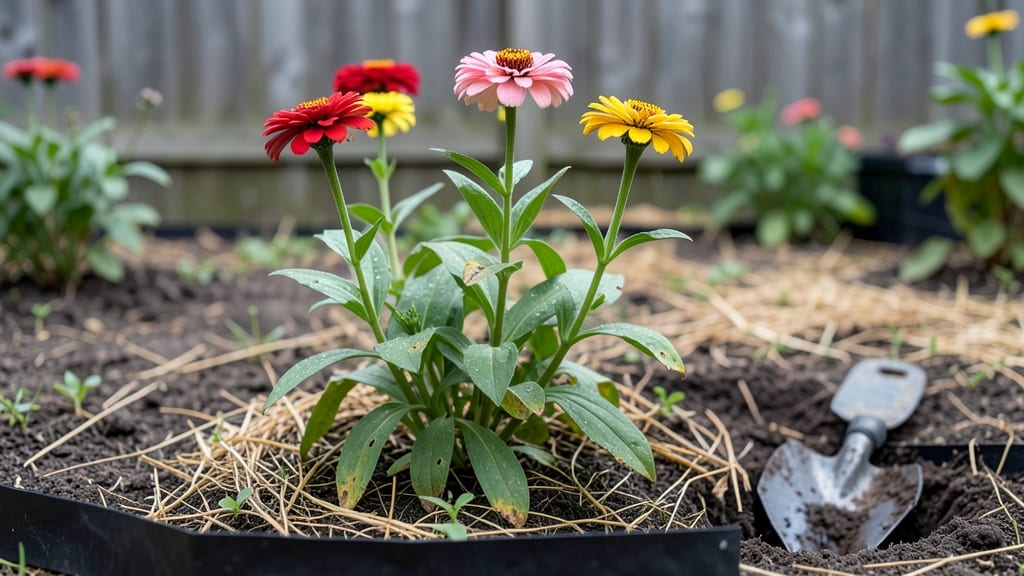
The ideal garden bed width is the secret to a garden that feels effortless to tend and bursting with healthy plants 🌱—not one that leaves you straining or overcrowded.
Picture this: You’re reaching for your favorite basil, but your arm is stretched too far across a 6-foot-wide bed, knocking over seedlings in the process. Or worse, your tomatoes are fighting for sunlight because the bed is too narrow.
The right width makes all the difference—between a garden that thrives and one that feels like a chore.
Most gardeners swear by 3–4 feet as the sweet spot, but why? It’s all about reach, sunlight, and airflow. A bed that wide lets you stand comfortably on both sides, weeding and harvesting without bending or crowding plants.
Too narrow, and you waste space; too wide, and you’ll spend more time kneeling than gardening.
In this guide, I’ll break down the science behind perfect spacing, how to adjust for different plants, and the one trick that turns a cramped bed into a productive powerhouse—no matter your garden size.
How to determine the ideal garden bed width for plant spacing
Getting your garden bed width right is one of the most important decisions for a productive garden. Too narrow, and you waste space; too wide, and you struggle to reach the center.
The science behind 3–4 foot widths isn’t random—it’s about maximizing sunlight, air circulation, and weed control while keeping maintenance easy. Let me break down why this matters and how to apply it to your garden.
Most gardeners aim for 3–4 feet as the ideal width. This range ensures you can comfortably reach the center of the bed from both sides without stepping on the soil, which compacts it and harms roots.
Think of it like a walkway-free zone: plants get full sunlight from above, and air circulates freely around foliage, reducing disease risk. Plus, narrower beds mean fewer weeds since sunlight can’t penetrate the soil as easily.
Here’s the key: width affects everything—from how often you water to how tall your plants grow. For example, tomatoes in a 4-foot bed get better airflow than in a cramped 2-foot row, which cuts down on fungal issues.
Meanwhile, leafy greens like lettuce thrive in tighter spaces because they don’t need as much room to spread. Let’s dive into the specifics with a quick reference table.
| Factor | Optimal Width | Why It Matters |
|---|---|---|
| Reachability | 3–4 feet | Avoids soil compaction from stepping |
| Sunlight Penetration | ≤4 feet | Ensures even light distribution |
| Air Circulation | 3–4 feet | Reduces fungal diseases like powdery mildew |
| Weed Control | 3–4 feet | Less sunlight reaches soil, inhibiting weed growth |
| Maintenance Access | ≤4 feet | Allows pruning and harvesting without disturbing plants |
Now, let’s talk about how plant types influence your bed width. Root vegetables like carrots and beets need 12–18 inches of space per plant, so a 3-foot bed works perfectly for a single row.
On the other hand, broadleaf plants like squash or pumpkins can sprawl up to 3 feet wide, so they’re better suited for wider beds or their own dedicated space. Even herbs vary—basil thrives in tight clusters, while rosemary prefers a bit more room to breathe.
Don’t overlook the role of companion planting in your width planning. Pairing tomatoes with basil or carrots with onions can save space while boosting yields. For example, a 4-foot bed can fit two rows of tomatoes with basil tucked between them, creating a microclimate that deters pests.
Just avoid mixing plants with competing nutrient needs, like heavy feeders (like corn) next to light feeders (like beans).
If you’re working with raised beds, the same rules apply—but you gain extra flexibility. A 4x8-foot raised bed is a classic for a reason: it’s wide enough for two 3-foot planting zones with a 1-foot path in the middle.
This setup lets you rotate crops yearly without stepping on the soil. For container gardens, stick to 12–18 inches wide to ensure roots have access to moisture and nutrients without drying out too quickly.
One common mistake is ignoring your own physical reach. If you’re shorter or have mobility issues, a 2–3 foot width might be more comfortable. Test your arm’s reach—if you can’t comfortably stretch across the bed, it’s too wide.
Pro tip: Use a straw mulch path down the center of wider beds to keep soil from compacting while you tend to plants on either side.
Finally, consider your garden’s layout. If you’re creating multiple beds, leave at least 18 inches between them for a walking path. This prevents soil erosion and makes it easier to move tools or harvest baskets.
For small spaces, like balconies or patios, vertical gardening or narrow raised beds (12–18 inches wide) can maximize space without sacrificing yield.
Remember, the ideal garden bed width isn’t one-size-fits-all. Start with 3–4 feet as your baseline, then adjust based on your plants, reach, and garden goals. With the right dimensions, you’ll spend less time weeding and more time enjoying a bountiful harvest. Happy gardening! 🌱
Best garden bed widths for common vegetables and herbs
Getting your garden bed width right is like finding the perfect balance—too narrow, and you waste space; too wide, and you struggle to reach the center.
Most gardeners swear by 3–4 feet as the ideal width, especially for in-ground beds, because it lets you tend to plants from both sides without stepping on the soil. This simple rule keeps weeds down, improves air circulation, and makes harvesting easier.
But what if you're growing tall tomatoes or delicate lettuce? Let’s break it down by plant type.
For companion planting, width matters even more. Pairing carrots with onions in a 12-inch row saves space, while basil and tomatoes thrive together in wider beds. The key is adjusting your layout based on plant size and growth habits.
Below, I’ve outlined the best widths for popular veggies and herbs, including tips for dwarf vs. full-size varieties.
🌱 comparison table
Plant
Row Width (inches)
Spacing Between Plants (inches)
Notes
Tomatoes (full-size)
18–24
24–36
Use cages or stakes; pair with basil or marigolds.
Tomatoes (dwarf)
12–18
12–18
Ideal for container gardens or tight spaces.
Lettuce
6–12
4–6
Keep rows narrow for partial shade; harvest outer leaves first.
Carrots
6–12
2–3
Loosen soil to prevent forked roots; pair with onions.
Basil
12–18
6–12
Loves full sun and moist soil; great near tomatoes.
Peppers
18–24
18–24
Use mulch to retain moisture; avoid crowding.
Herbs (e.g., parsley, cilantro)
6–12
4–6
Many thrive in partial shade; harvest regularly to encourage growth.
When planning your garden layout, remember that raised beds often allow for slightly wider rows (up to 36 inches) because they’re easier to access. For in-ground beds, stick to 3–4 feet max to avoid trampling plants.
If you’re growing large plants like corn or squash, dedicate a separate bed or section to avoid overshadowing smaller crops.
For small spaces, like balconies or patios, opt for container gardens with 12-inch-wide rows or less. This works perfectly for dwarf varieties of tomatoes, peppers, and herbs.
Just ensure containers have drainage holes and use lightweight potting mix. Pro tip: Label your rows to track what’s planted where—especially if you’re experimenting with companion planting.
One of my favorite