
Vegetables
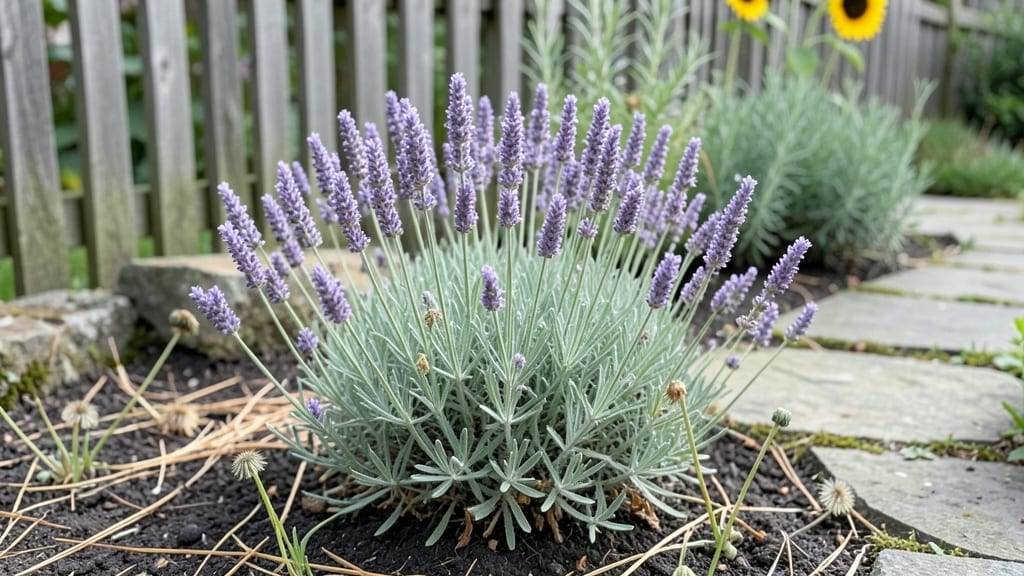
The most rewarding gardens aren’t just for you—they’re the ones that turn your block into a living room. 🌿 I’ve designed neighbor-friendly layouts that keep color blooming from spring through frost while making sure your yard feels like an invitation, not a boundary.
The secret lies in choosing plants that thrive together, need minimal fuss, and spark conversations—like the time my purple coneflowers became the unofficial meeting spot for summer barbecues.
You don’t need acres or a green thumb to pull this off. Start with three zones: a shared border of drought-tolerant perennials (like black-eyed Susans and sedum), a low-maintenance pollinator patch, and a seating nook with built-in planters.
The key is mixing evergreens for winter structure with annuals that bloom nonstop, so there’s always something to admire—and comment on. My front yard now hosts more impromptu chats than my living room ever did.
Picture this: your neighbors stopping to admire the vibrant late-summer salvias or asking which tomato variety to try next. These layouts work because they’re designed for interaction—colorful, fragrant, and full of plants that beg to be touched or photographed.
Even the most reserved gardener will find themselves chatting with you about the sunny orange zinnias or the mystery of why the bee balm keeps spreading. That’s the real harvest.
Works in any size yard, from a narrow city lot to a suburban half-acre. The only requirement? A willingness to let your garden do the talking. Here’s how to make it happen without losing your weekends to weeding.
📚 In This Guide
- What you need
- Instructions
- Tips and common mistakes
- Wrapping up and next steps
What you need
- ● Soil: 2–4 cubic yards of high-quality garden soil (or a mix of topsoil and compost—aim for a 60/40 ratio). For raised beds, use 1–2 cubic feet per square foot of bed.
- ● Plants: Perennials (e.g., lavender, coneflowers, or Russian sage) – 3–5 plants per 10 sq. ft.
- ● Vegetables (e.g., kale, Swiss chard, or lettuce) – 1–2 plants per sq. ft. (depending on size).
- ● Annuals (e.g., marigolds, zinnias, or pansies) – 5–7 plants per 10 sq. ft. for year-round color.
- ● Mulch: 2–3 inches of organic mulch (straw, shredded bark, or wood chips) to retain moisture and suppress weeds.
- ● Basic Tools: Garden trowel (for transplanting)
- ● Pruners (for trimming)
- ● Watering can or hose with a soaker nozzle (for gentle hydration)
- ● Gloves (to protect your hands!)
- ● Decor: Solar-powered garden lights, painted rocks, or a small bench to invite neighbors to linger.
- ● Pollinator-Friendly Additions: Bee houses, butterfly feeders, or native wildflowers to attract beneficial insects.
- ● Community Tools: A shared watering station (like a rain barrel) or a chalkboard for planting reminders.
- ● Seasonal Swaps: Cold-hardy plants (e.g., pansies, cabbage) for fall/winter, or heat-tolerant varieties (e.g., okra, black-eyed Susans) for summer.
How to design low-maintenance year-round color gardens
Here’s how to create a welcoming, vibrant garden that thrives with minimal effort.
🌱 Step 1: Plan for Seasonal Layers and Height Variation
Begin by sketching your space, dividing it into three distinct layers: tall, mid-height, and ground cover. Tall plants like perennials such as coneflowers or ornamental grasses (3–6 feet) anchor the design, while mid-height shrubs like boxwood or hydrangeas (2–3 feet) add structure. For ground cover, choose creeping thyme or ajuga—they suppress weeds and stay lush year-round.
Place evergreens like dwarf spruce or holly strategically for winter interest, ensuring they frame pathways or entry points. I like to group plants by water needs—drought-tolerant succulents near the front, moisture-loving ferns in shadier spots. This prevents overwatering and keeps maintenance simple.
☀️ Step 2: Select Plants for Sun Exposure and Soil Conditions
Assess your garden’s sunlight patterns: full sun (6+ hours) suits daylilies and black-eyed Susans, while partial shade (3–6 hours) thrives with hostas and astilbes. Test soil drainage by digging a 6-inch hole—if water pools after 30 minutes, amend with compost or sand. For clay soil, I mix in 3–4 inches of organic mulch to improve aeration.
Prioritize native perennials like bee balm or coneflower—they’re resilient, attract pollinators, and require less watering. Avoid annuals unless you’re okay with replanting yearly. Mulch with wood chips or shredded bark to retain moisture, deter weeds, and regulate soil temperature.
💧 Step 3: Install Drip Irrigation or Soaker Hoses
Skip the hose and install a drip irrigation system with emitters spaced 12–18 inches apart along plant rows. Connect it to a timer set for early morning watering (30–45 minutes, 2–3 times weekly). This ensures deep, even moisture without waste. For smaller gardens, soaker hoses work just as well—lay them along beds and let them seep slowly.
Water deeply but infrequently to encourage strong root growth. You’ll know it’s working when soil stays moist 2–3 inches down and plants show vibrant, glossy leaves. Avoid overhead sprinklers—they promote fungal diseases and evaporate quickly.
✂️ Step 4: Prune Strategically for Year-Round Health
Deadhead spent blooms weekly (especially on annuals like petunias) to encourage continuous flowering. For perennials, cut back in early spring (before new growth appears) to remove dead foliage. Shrubs like hydrangeas benefit from pruning in late winter or early spring, while ornamental grasses only need trimming in late winter to shape their form.
I avoid heavy pruning in fall—it stresses plants before dormancy. Instead, focus on cleaning up debris to prevent pests and diseases. A sharp pair of bypass pruners makes clean cuts that heal faster, and sterilize tools with rubbing alcohol between cuts to stop pathogen spread.
🌿 Step 5: Add Hardscaping for Structure and Low-Maintenance Appeal
Incorporate gravel pathways, stepping stones, or decomposed granite to reduce mowing and define spaces. These materials drain well and stay weed-free with minimal effort. For seating areas, raised planters or benches elevate plants off the ground, improving airflow and reducing slug issues.
Use native rocks or boulders as focal points—they require zero care and blend seamlessly with the landscape. I often line borders with low stone walls to contain mulch and create visual interest. This approach cuts down on weeding and keeps the garden looking polished with almost no upkeep.
Tips & tricks for perfect low-maintenance year-round gardens
Creating a garden that thrives with minimal effort requires strategic planning and a few insider tricks. Here's what I've learned after designing and maintaining these layouts for years.
Seasonal Layering Strategy: In Step 1, when planning your three layers, consider adding a fourth "winter interest" layer with plants like heather or winterberry holly. These evergreens provide structure and color when most gardens go dormant. I also recommend placing taller plants on the north side of beds to avoid shading shorter varieties, especially in northern climates. This subtle positioning keeps all layers thriving throughout the growing season.
Soil Preparation Secret: The 30-minute drainage test in Step 2 is crucial, but don't stop there. After amending your soil with compost or sand, let it settle for at least 48 hours before planting. This allows the amendments to integrate properly with your native soil. For clay-heavy soils, consider adding perlite or coarse sand to improve drainage even further—this prevents waterlogging that can stress your plants.
Irrigation Optimization: When setting up your drip system in Step 3, place emitters near the base of plants rather than along the rows. This delivers water directly to root zones where plants need it most. For new plantings, water for 10-15 minutes daily for the first week to help establish roots, then gradually reduce to the recommended 30-45 minutes schedule. This gradual transition prevents root shock from sudden changes in water volume.
Pruning Precision: The weekly deadheading in Step 4 works wonders for continuous blooming, but timing matters. Always deadhead in the morning when flowers are fully open and dew has evaporated. This prevents fungal spores from settling on fresh cuts. For hydrangeas, prune just after they finish blooming in summer—this ensures next year's flowers develop properly while maintaining the current season's display.
Pro Tips for Friendly Neighbor Gardens
- Creating a garden that thrives with minimal effort requires strategic planning and a few insider tricks.
- Seasonal Layering Strategy: In Step 1, when planning your three layers, consider adding a fourth "winter interest" layer with plants like heather or winterberry holly.
- Soil Preparation Secret: The 30-minute drainage test in Step 2 is crucial, but don't stop there.
Frequently asked questions
What’s the best low-maintenance layout for a small urban garden?
Opt for a raised bed or container garden with 3-4” of compost-rich soil to minimize weeds and watering. Arrange plants in companion groups (e.g., tomatoes + basil, carrots + onions) to deter pests naturally. Use mulch (straw or shredded leaves) to retain moisture and suppress weeds—perfect for busy neighbors!
When is the ideal time to plant for year-round color?
Start with cool-season crops (kale, spinach, lettuce) in early spring or late summer (8–10 weeks before frost). For warm-season plants (tomatoes, peppers), wait until after the last frost (check your USDA Plant Hardiness Zone). Pro tip: Succession plant fast growers (like radishes or bush beans) every 2–3 weeks for continuous harvests!
Are there affordable alternatives to expensive raised beds?
Try these budget-friendly options:
- Pallet gardens: Repurpose wooden pallets with landscape fabric lining (cost: ~$10–$20).
- Hugelkultur: Bury a large log in a trench, fill with soil, and plant directly on top (free + improves soil for years!).
- Recycled containers: Clean old buckets, tires (lined with pond liner), or even wine barrels (drill drainage holes!).
How do I keep pests away without chemicals in a shared garden?
Prevention is key! Use these non-toxic tricks:
- Interplant flowers: Marigolds, nasturtiums, or alyssum repel pests with their scent.
- Handpick pests: Check plants early in the morning (bugs are sluggish) and drop them in soapy water.
- DIY sprays: Mix 1 tsp dish soap + 1 quart water for aphids or 1 tbsp neem oil + 1 tsp mild soap for general pests.
- Beneficial insects: Attract ladybugs (eat aphids) or lacewings (eat caterpillars) with native plants like dill or fennel.
What if my garden looks messy or overgrown?
Don’t stress! Even “messy” gardens can thrive with these quick fixes:
- Tidy edges: Use edging stones or mulch to define beds (instant curb appeal!).
- Deadhead flowers: Snip spent blooms to encourage more flowers (and fewer weeds).
- Embrace “wild” charm: Let native grasses or clover grow between plants—they’re low-maintenance and pollinator-friendly!
- Add vertical interest: Train vines (like morning glories or cucumbers) on trellises to hide bare spots.
Wrapping up and next steps
Creating a friendly neighbor garden isn’t just about adding beauty to your space—it’s about fostering connections and enjoying nature’s bounty with minimal effort.
Whether you’re a seasoned gardener or just starting out, these low-maintenance layouts ensure year-round color and harmony with your community. Now’s the perfect time to roll up your sleeves and turn your vision into a vibrant reality!
🌱 Your Next Step: Start Small & Grow Together
Begin with one easy-to-care-for plant or section, like a pollinator-friendly border or a shared herb bed. Invite a neighbor to join you—turning your garden into a shared space where everyone thrives. Happy planting! 🌸