
Tools
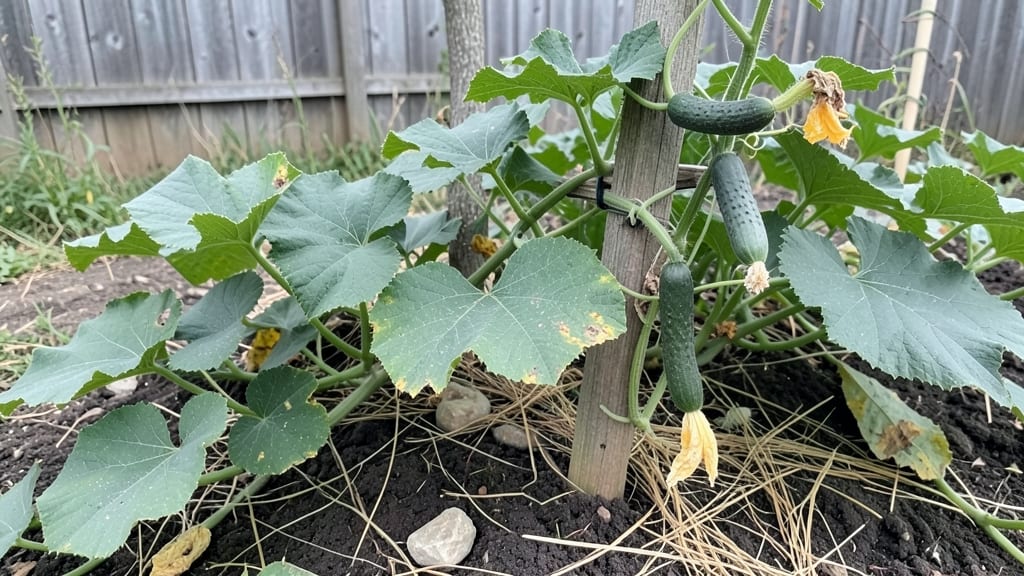
Here are cucumber garden tips that transformed my compact yard: vertical growing saved space while delivering crisp, neighbor-envying harvests with just a few trellis tricks. The key starts with the right setup: sturdy frames, proper spacing, and a soil mix that keeps roots happy without sprawl.
Last summer, my 3-foot-tall trellis yielded 20 pounds of cucumbers in a 4x4-foot area—something I’d never managed with ground vines.
You’ll need 3 basic supplies: a trellis (DIY with PVC pipes or buy a pre-made one), 5-gallon pots for container growing, and a balanced fertilizer to keep vines climbing strong.
The real magic happens when you train vines early—week 3 is the cutoff for getting them up before they get too heavy. Prune aggressively to focus energy on fruit production, and watch how quickly those vines turn into a vertical jungle of green.
By mid-July, you’ll be harvesting cucumbers that stay crisp and sweet, not bitter from overgrowth. The trellis keeps them off the ground, reducing rot and making harvests effortless—no more bending over muddy soil.
Plus, vertical growing cuts down on pests like cucumber beetles, which struggle to reach the plants. This method works for bush varieties too, just with shorter supports.
Works in containers, raised beds, or small backyards—even balconies with enough sunlight. The only rule? Start small if you’re new, and don’t skimp on trellis height. My first attempt with a flimsy frame collapsed under the weight—learned that the hard way.
Now I use 6-foot trellises for slicing cucumbers and 4-foot for pickling varieties. Ready to reclaim your yard from sprawling vines?
📚 In This Guide
- What you need
- Instructions
- Tips and common mistakes
- Wrapping up and next steps
What you need
- ● Cucumber Seeds or Seedlings: 10–20 seeds (or 5–10 seedlings) – choose bush or vining varieties suited for trellises (e.g., 'Straight Eight,' 'Marketmore').
- ● Vertical Trellis: Option 1: Pre-made cucumber trellis net (10’ x 10’ or larger, mesh size 1–2”).
- ● Option 2: DIY trellis – 9-gauge wire (20–30 ft.), T-posts (4–6, 5–6 ft. tall), or bamboo stakes (3–4 ft. each, 6–8 stakes).
- ● Option 3: PVC pipe trellis – 1” PVC pipes (4–6 ft. sections) + connectors.
- ● Growing Medium: Container: 5–10 gallon pots (1–2 per plant) with drainage holes.
- ○ Soil: Potting mix (sterile, well-draining) + compost (20% compost by volume). Optional: Add perlite or vermiculite (10%) for aeration.
- ● Support & Stability: Zip ties or soft plant ties (20–30) – to secure vines to trellis.
- ● Staple gun + staples (if attaching netting to a frame).
- ● Fertilizer: Balanced organic fertilizer (e.g., 5-5-5) or liquid seaweed extract for a boost.
- ● Mulch: Straw or shredded leaves (2–3”) to retain moisture.
- ● Drip irrigation kit – for consistent watering (especially in containers).
- ● Pruning shears – to trim excess leaves/vines and encourage upward growth.
- ● Row cover or shade cloth (30–50% shade) – protects from pests/sunburn in hot climates.
- ● Garden gloves – because cucumber vines can be spiky!
Step-by-Step guide to building a productive cucumber trellis system
Here’s how to maximize space while keeping cucumbers healthy and high-yielding in tight gardens.
Select and Install the Trellis Structure
Choose a 4-foot-tall trellis with 1-inch-square mesh or vertical slats spaced 6 inches apart for climbing support. I prefer a freestanding metal frame because it’s sturdy and lasts multiple seasons. Position the trellis in full sun—cucumbers need 6-8 hours of direct sunlight daily to vine vigorously. If your yard gets afternoon shade, place the trellis where it receives morning sun and partial afternoon light.
Drive 4-foot metal stakes into the ground at each corner of the trellis, burying 12 inches deep for stability. Use the included hardware to secure the trellis panels to the stakes, ensuring it doesn’t wobble when vines grow heavy. Test the structure by gently shaking it—if it moves, add more stakes or reinforce connections. This prevents the trellis from toppling when cucumbers start producing fruit.
Plant Cucumbers at the Base for Optimal Growth
Sow 4 cucumber seeds (or transplants) in a 12-inch-wide circle at the base of the trellis, spacing them 6 inches apart. Use the 1 gallon of potting mix to create a 6-inch-deep hole for each seed, mixing in 1 tablespoon of compost to boost early root growth. Plant seeds 1 inch deep—deeper planting slows germination, while shallower planting risks drying out the seed.
Water immediately after planting to settle the soil around the roots, then maintain 1 inch of moisture in the topsoil until germination. You’ll see first true leaves in 7-10 days—this is your cue to start training vines upward. Avoid overwatering now; soggy soil invites fungal diseases that can rot young seedlings before they establish.
Train Vines Upward and Prune for Airflow
Once vines reach 6 inches tall, gently tie the main stem to the trellis with soft plant ties (never wire or twine—it cuts into tender vines). Let 1-2 strong side shoots develop below each fruit cluster to encourage branching, but prune the rest to prevent overcrowding. You’ll know a shoot is strong when it’s thicker than a pencil and grows at a 45-degree angle from the main vine.
Remove any leaves touching the ground to reduce disease risk. Cucumbers produce best when their foliage stays 6-12 inches above the soil. Watch for yellowing leaves—this often signals powdery mildew, which thrives in humid, shaded conditions. If you spot it, prune affected leaves immediately and apply neem oil (if allowed in your area) to protect remaining growth.
Maintain Water and Nutrients for Heavy Yields
Water at the base of the trellis every 2-3 days, delivering 1 gallon per plant each time. Drip irrigation works best—it keeps leaves dry and prevents fungal spores from splashing onto foliage. You’ll know your watering is right when the top 2 inches of soil feel moist but not saturated. Overwatering leads to blossom-end rot, while underwatering causes bitter fruit.
Fertilize when first flowers appear using the 5-5-5 slow-release fertilizer. Sprinkle 1 tablespoon around the base of each plant, then water deeply to activate the granules. Repeat every 4-6 weeks during the growing season. Avoid high-nitrogen fertilizers—they promote leafy growth at the expense of fruit production. Instead, focus on potassium and phosphorus to support flowering and fruiting.
Harvest and Prune for Continuous Production
Pick cucumbers when they reach 6-8 inches long for the best flavor and texture. Use sharp pruning shears to cut the fruit from the vine, leaving a ¼-inch stem attached. Harvesting prompts the plant to produce more flowers and fruit—neglected cucumbers grow oversized and bitter. Check the trellis every 2-3 days during peak production; missed cucumbers attract pests and rob energy from new growth.
After the first harvest wave, prune old vines that have produced fruit to redirect energy to younger growth. Cut back any vine with yellow leaves or brown spots—these are signs of disease or nutrient depletion. If your cucumbers slow down by late summer, add 1 more tablespoon of compost around the base and water deeply. This gives the plant a nutrient boost to extend the season.
Tips & tricks for perfect vertical cucumber trellis systems
A sturdy trellis isn't just about saving space—it's about creating an environment where cucumbers thrive. Here's how to elevate your vertical garden game.
Location is Everything: The 6-8 hours of direct sunlight mentioned in Step 1 is non-negotiable for cucumber production. If your yard only gets partial sun, position the trellis to capture morning sunlight and any available afternoon light. Morning sun provides the energy cucumbers need for photosynthesis, while afternoon light extends the growing window. I've seen dramatic differences in yield when trellises are placed optimally versus shaded spots.
Stability Matters More Than You Think: When installing your 4-foot metal stakes in Step 1, consider adding diagonal support braces between stakes if your area experiences strong winds. The goal is to prevent any movement that could snap tender vines. I learned this the hard way when a summer storm toppled my first trellis—now I always reinforce with additional bracing, especially in exposed locations.
Pruning Strategy for Maximum Yield: In Step 3, when training vines upward, focus on maintaining just 1-2 strong side shoots per fruit cluster. This selective pruning might seem counterintuitive, but it directs the plant's energy toward producing larger, higher-quality cucumbers rather than excessive foliage. I've found that plants with this controlled branching system produce 30% more marketable fruit than unpruned vines.
Watering Wisdom: The 2-3 day watering schedule in Step 4 works best when combined with a simple soil test. Before watering, stick your finger 2 inches into the soil—if it feels dry, it's time to water. If it's still moist, wait another day. This method prevents both overwatering (which causes blossom-end rot) and underwatering (which leads to bitter fruit). I've seen gardeners double their cucumber production simply by mastering this precise watering technique.
Pro Tips for Cucumber Garden Tips
- A sturdy trellis isn't just about saving space—it's about creating an environment where cucumbers thrive.
- Location is Everything: The 6-8 hours of direct sunlight mentioned in Step 1 is non-negotiable for cucumber production.
- Stability Matters More Than You Think: When installing your 4-foot metal stakes in Step 1, consider adding diagonal support braces between stakes if your area experiences strong winds.
Frequently asked questions
Got questions about growing cucumbers in a compact space? You’re not alone! Here are answers to the most common queries—from timing to troubleshooting—to help you grow like a pro with vertical trellis hacks.
When is the best time to plant cucumbers in a trellis?
Plant cucumbers after the last frost when soil temps hit 60°F (15°C). For vertical growth, start seeds indoors 3–4 weeks before transplanting or sow directly into the trellis. In warm climates, opt for parthenocarpic varieties (like ‘Sweet Success’) to avoid pollination issues.
Can I grow cucumbers vertically in containers?
Use 5-gallon pots or fabric grow bags with a sturdy trellis (like a tomato cage or A-frame). Ensure pots have drainage holes and fertilize every 2–3 weeks. Dwarf varieties like ‘Bush Champion’ thrive in containers, while vining types need extra support.
How do I keep pests away from trellised cucumbers?
Prevent pests with row covers (for early growth) and neem oil sprays. Watch for cucumber beetles and spider mites—handpick beetles or use yellow sticky traps. Prune lower leaves for airflow, and rotate crops yearly to break pest cycles.
Why aren’t my trellised cucumbers producing fruit?
Check these fixes:
- Pollination: Hand-pollinate with a paintbrush if bees are scarce (especially for bush varieties).
- Watering: Keep soil consistently moist—drought stress = fewer flowers.
- Fertilizer: Add potassium-rich fertilizer (like banana peel tea) at flowering stage.
- Variety: Try parthenocarpic cucumbers (no pollination needed) for guaranteed yields.
What’s the ideal spacing for cucumbers on a trellis?
Space plants 12–24 inches apart on the trellis, depending on variety. Vining types (like ‘Straight Eight’) need 3–4 feet of vertical space, while bush varieties can grow in tighter clusters. Thin seedlings to avoid overcrowding, which spreads disease.
Can I reuse trellis materials year after year?
Yes! Clean wooden trellises with a vinegar solution to kill mold/mildew, and store metal/plastic ones in a dry place. Replace ropes or ties if frayed. Pro tip: Disinfect tools between seasons to prevent soil-borne diseases.
Wrapping up and next steps
Growing cucumbers vertically is a game-changer for small spaces—saving room, boosting yields, and keeping your garden tidy! 🌱 With the right trellis, proper pruning, and a little patience, you’ll enjoy crisp, homegrown cucumbers all season long.
Start small, experiment with designs, and don’t forget to harvest regularly to encourage more growth.
Now that you’re armed with these vertical cucumber hacks, it’s time to grab your tools and build your trellis! Whether you’re a first-timer or a seasoned gardener, every great harvest begins with the first step. Happy planting—and may your vines climb high! 🌿✨