Pests
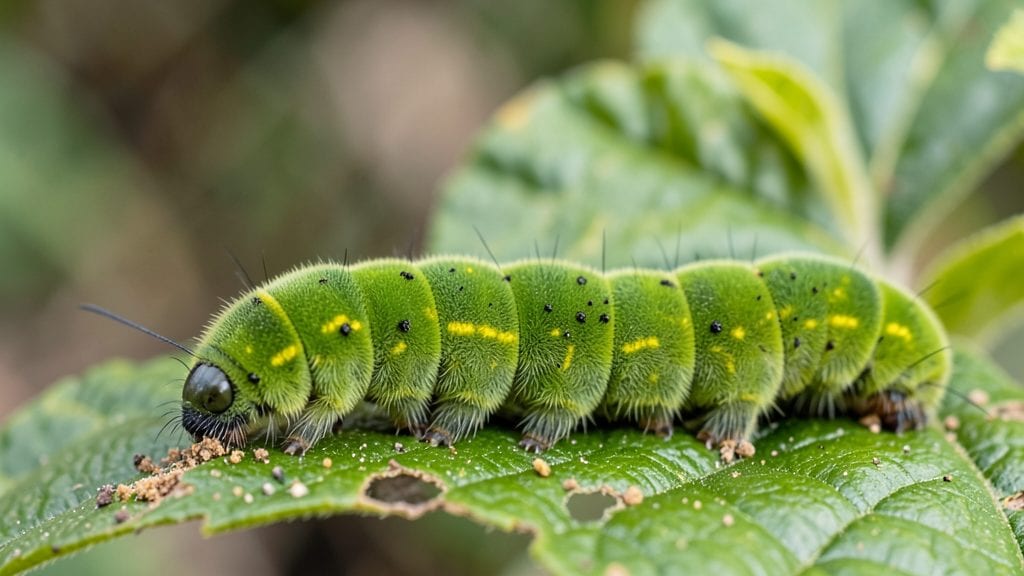
Caterpillars in your garden can turn lush leaves into skeletonized messes in days—until you try this organic barrier spray that stops them cold. I’ve battled tomato hornworms and cabbage loopers for years, and this one mix finally gave me the upper hand without harming bees or ladybugs.
The key? A foolproof blend of neem oil, garlic, and a dash of cayenne that caterpillars hate—but won’t hurt your plants or the good bugs.
Most sprays either fail or poison everything in sight. This one works because it disrupts their feeding cues while keeping your garden’s ecosystem intact. You’ll need three simple ingredients, a spray bottle, and 10 minutes—then watch those hungry larvae take the hint and wander away.
It’s especially effective on tomatoes, cabbage, and basil, the plants caterpillars love most. The spray lasts 3–5 days before rain or watering washes it away, so plan applications around your watering schedule.
What you’ll get is a garden where caterpillars think twice before munching. No more ragedy leaves or missing fruit—just healthy plants that bounce back faster. The best part?
You’ll still see butterflies fluttering by, because this spray targets caterpillars, not their adult butterfly forms. Ready to reclaim your garden without the chemical warfare? Let’s mix it up.
This method works in all climates and scales from small containers to full-size beds. For extra protection, pair it with row covers or beneficial nematodes—but the spray alone often does the trick. No more helplessly watching your harvest disappear overnight. Here’s how to make it work for your garden.
The Hidden Triggers Behind Garden Invaders
Caterpillars don’t just wander into your garden by chance—they’re drawn by a mix of environmental cues, food availability, and even the plants you’ve carefully nurtured. Understanding these triggers helps you predict outbreaks and act before damage occurs. Here’s why your garden becomes a caterpillar buffet.
Caterpillars are plant specialists, and your garden might be serving up their favorite meals. Many species, like the tomato hornworm or cabbage looper, have specific host plants they target. For example:
- Leafy greens (kale, cabbage, lettuce): Attract imported cabbageworm and loopers, which devour foliage in days.
- Tomatoes & peppers: A magnet for hornworms, which can strip plants bare overnight.
- Fruit trees (apple, pear, cherry): Lure gypsy moth caterpillars, known for defoliating entire orchards.
- Lawn grasses: Host sod webworms, which chew through blades, leaving brown patches.
💡 Pro Tip: If you’ve noticed new holes in leaves or silken webs (a caterpillar “highway”), check the plant’s undersides—eggs are often laid there. Remove infested plants or quarantine them to stop the cycle.
Caterpillars thrive in disorderly gardens where they can hide, pupate, and multiply undetected. Overgrown areas provide:
- Shelter: Dense foliage, mulch piles, or leaf litter shield caterpillars from predators (like birds or ladybugs) and pesticides.
- Moisture: Damp soil under debris encourages egg-laying and larval survival.
- Alternative food: Weeds like dandelions or nettles can sustain caterpillars until they migrate to your prized plants.
🔥 Action Step: Regularly prune dead leaves, remove plant debris, and thin out overcrowded beds. A tidy garden disrupts their life cycle and makes them easier to spot.
Caterpillars follow seasonal cues and weather shifts that create ideal conditions for infestations. Key factors include:
| Season/Weather | Why It Attracts Caterpillars | Peak Risk Period |
|---|---|---|
| Warm, humid springs | Soft new growth is easy to digest, and eggs hatch faster. | April–June |
| Dry summers | Stressed plants release more sugars, making them more appetizing. | July–August |
| Cool, wet falls | Prolonged larval stages; caterpillars delay pupation to survive. | September–October |
🌡️ Climate Watch: If your area experiences unusually mild winters, overwintering caterpillar eggs (like tent caterpillars) may hatch earlier, leading to a two-generation outbreak in one season.
Caterpillars are on the menu for many garden helpers, but if their predators vanish, populations explode. Common disruptors include:
- Pesticide overuse: Broad-spectrum sprays kill beneficial insects (ladybugs, lacewings, parasitic wasps) faster than caterpillars.
- Habitat loss: Fewer bird perches, ponds for dragonflies, or ground cover for toads reduce hunting efficiency.
- Monoculture gardens: Single-species plantings (e.g., rows of roses) offer no diversity, making it harder for predators to find alternative prey.
🎯 Eco-Friendly Fix: Install birdhouses, bee baths, and native flowering plants to attract predators. Even a small patch of wildflowers can boost biodiversity by 30% in a season.
Once you identify why caterpillars are moving in, you can target the root cause—whether it’s removing host plants, adjusting irrigation, or inviting more wildlife. The key is acting early before they turn your garden into a salad bar!
Quick fixes for garden pests
Discovering caterpillars munching on your prized plants can feel like a nightmare, but don’t panic—there are simple, effective ways to reclaim your garden without harsh chemicals. Below, we’ll tackle the most common causes of caterpillar infestations and provide practical, organic solutions to keep your garden thriving.
From natural barriers to targeted sprays, these fixes work fast and protect your plants long-term.
If you’ve spotted ragged leaves or skeletonized foliage, caterpillars are likely the culprits. Here’s how to stop them in their tracks:
🍳 DIY Organic Spray Recipes
Caterpillars hate these natural ingredients, and they’re easy to mix at home:
- Garlic & Chili Pepper Spray 🌶️🧄
- Blend 2 cloves of garlic + 1 tbsp cayenne pepper with 1 quart of water.
- Strain and add a drop of dish soap (helps it stick).
- Spray directly on leaves (especially undersides where eggs hide).
- Reapply every 3–5 days or after rain.
- Neem Oil Solution 🌿💧
- Mix 1 tbsp neem oil + 1 tsp mild soap in 1 quart of water.
- Shake well and spray on affected plants at dusk (avoids harming bees).
- Neem disrupts caterpillar feeding and growth—ideal for tomato hornworms and loopers.
- Beauveria Bassiana Fungus 🍄⚔️
- This natural fungus infects and kills caterpillars (like gypsy moths) without chemicals.
- Sprinkle the powder on plants or mix with water for a spray.
- Works best in humid conditions.
👨🍳 When to Spray for Maximum Effect
- Timing: Early morning or late evening (avoids harming pollinators).
- Focus Areas: Undersides of leaves (where eggs are laid) and new growth.
- Frequency: Every 2–3 days until infestation clears.
Sometimes, the best defense is stopping caterpillars before they start:
🔪 Row Covers & Netting
- Use fine mesh netting (like floating row covers) over young plants to block egg-laying moths.
- Secure edges tightly—even tiny gaps let pests in!
- Pro Tip: 💡 Remove covers during pollination if plants need bees (e.g., tomatoes).
🌿 Handpicking & Drowning
- Morning is best—caterpillars are sluggish and easier to spot.
- Drop them into a bucket of soapy water (harsh but humane).
- Bonus: Check under leaves daily to catch new hatchlings early.
🎯 Sticky Traps for Moths
- Hang pheromone traps (like for tomato hornworms) to catch adult moths before they lay eggs.
- Place traps 10–15 feet above ground for best results.
Stop caterpillars before they become a problem with these proactive strategies:
| Problem | Prevention Fix | When to Do It |
|---|---|---|
| Eggs on leaves | Spray neem oil weekly | Spring to early summer |
| Overcrowded plants | Thin seedlings; improve airflow | Planting season |
| Weakened plants | Feed with compost/fertilizer | Early spring & fall |
| Attracting moths | Remove debris; avoid bright lights at night | Year-round |
🌡️ Heat & Light Tricks
- Yellow sticky traps 🟡⚡ attract and trap adult moths.
- Reflective mulch (like aluminum foil) confuses moths looking for laying spots.
- Plant companions: Marigolds and basil repel many caterpillar species naturally.
With these organic, fast-acting solutions, you’ll send caterpillars packing without harming your garden’s ecosystem. Start with sprays for immediate relief, then layer in barriers and prevention for long-term peace of mind. Your garden will be back to lush and pest-free in no time! 🌱🚫🐛
Frequently asked questions
Why do caterpillars suddenly appear in my garden?
Caterpillars arrive due to three main factors: food availability (they target specific plants like tomatoes or cabbage), seasonal cues (warm, humid springs trigger egg hatching), and lack of predators. Overgrown areas with debris provide perfect hiding spots, while stressed plants release sugars that attract them.
Are all caterpillars bad for gardens?
Not all! Some caterpillars (like those from monarch butterflies) are harmless or even beneficial. The troublemakers are species like tomato hornworms or cabbage loopers, which can defoliate plants overnight. Focus on identifying the specific caterpillar—look for distinct markings or damage patterns.
How long does it take for organic sprays to work?
Most DIY sprays (like neem oil or garlic-chili mixes) show results within 24–48 hours, but full effectiveness takes 3–5 days of consistent application. Reapply after rain or every 3 days for best protection. For severe infestations, combine sprays with handpicking for faster results.
Can I use these sprays on edible plants like tomatoes?
Yes! Organic sprays like neem oil and garlic-chili mixes are safe for edible plants once fully dried (wait 24 hours before harvesting). Always test a small area first and avoid spraying flowers to protect pollinators.
What’s the best time of day to apply organic sprays?
Apply sprays early morning or late evening to avoid harming bees and other pollinators. This timing also allows the solution to dry before direct sunlight, maximizing its effectiveness.