Advice
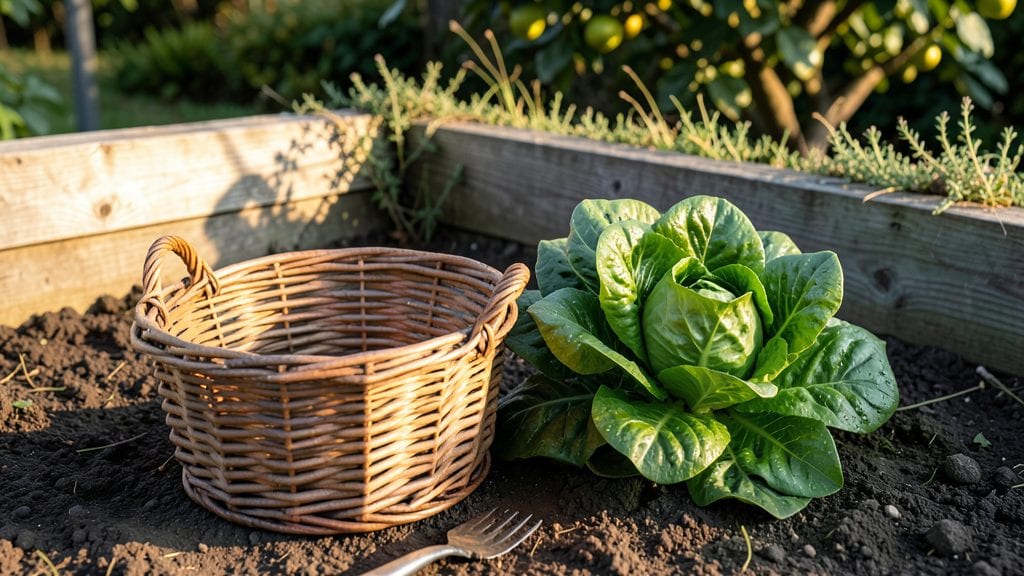
Calories burned gardening range from 200–400 per hour, depending on task intensity—light work like weeding (200–300) and heavy tasks like digging (350–450). Your weight, effort level, and time spent directly impact the total calories expended.
Gardening isn't just rewarding for your garden—it's a surprisingly effective workout. 🌱 The difference between light tasks and heavy labor can mean burning nearly twice as many calories, especially when you factor in muscle engagement and terrain challenges.
For example, hauling bags of soil or using manual tools forces your body to work harder than simply pulling weeds, creating a more intense calorie-burning session.
What many people don't realize is how small adjustments can maximize your effort. Adding short bursts of high-intensity work—like aerating compacted soil or carrying heavy pots—can significantly boost your calorie expenditure.
Even pairing gardening with light walking between beds turns your yardwork into a full-body activity that rivals traditional exercise routines.
💡 In This Article
- How Gardening Intensity Affects Calorie Expenditure
- Maximizing Calorie Burn Through Smart Gardening Techniques
How gardening intensity affects calorie expenditure
The calorie burn from gardening isn't just about moving—it's about how your muscles engage and how much resistance you're working against. Light tasks like weeding or planting annuals primarily use your arms and upper body, burning around 200-250 calories per hour for someone weighing 155 pounds.
These activities rely more on endurance than strength, similar to light yard work or casual walking. The key difference comes when you shift to tasks requiring full-body engagement, like digging trenches or hauling wheelbarrows of soil, which can push calorie expenditure to 350-450 calories per hour.
Here's what's happening physiologically: Digging, for example, activates your core, legs, and back simultaneously, recruiting larger muscle groups. A 155-pound person digging for 30 minutes engages muscles that make up about 40% of their body weight, creating metabolic demand similar to brisk walking or light jogging.
The resistance from soil compaction forces your muscles to work harder, increasing oxygen consumption by 15-20% compared to lighter tasks. Even the act of pulling weeds from hardpan soil requires 30-50% more force than pulling from loose dirt, which translates directly to higher calorie burn.
Terrain plays a surprising role too. Gardening on a sloped yard turns every step into a mini workout—moving 100 pounds of soil uphill burns 20-30% more calories than moving it on flat ground.
This is because your body must work against gravity, engaging stabilizer muscles in your ankles, knees, and hips. Even something as simple as raking leaves on a hill increases heart rate by 5-10 beats per minute compared to flat terrain.
The same principle applies when you choose tools: Using a manual tiller instead of a powered one forces you to push with 25-40 pounds of resistance, while electric versions reduce that effort by 60%.
What most people overlook is how tool selection directly impacts calorie expenditure. A 155-pound person using a manual post-hole digger burns 50-70 calories more per hour than someone using a powered auger, because the manual tool requires repetitive arm and shoulder engagement.
Even the weight of your gardening gloves matters—worn-out gloves with 0.5 pounds of extra weight can increase calorie burn by 3-5% per hour over time. The science here is simple: More resistance equals more muscle activation, which equals higher energy demand.
Let's break down the numbers for common tasks using a 155-pound individual as our baseline:
- Light tasks (weeding, planting flowers): 200-250 calories/hour – Primarily upper-body engagement with minimal resistance
- Moderate tasks (raking, pruning): 250-300 calories/hour – Full-body movement with some resistance from tools
- Heavy tasks (digging, hauling soil): 350-450 calories/hour – Large muscle groups working against soil resistance
- Intense bursts (aerating compacted soil): 400-500 calories/hour – Explosive movements with high metabolic demand
The most efficient way to maximize calorie burn is to combine tasks that naturally force you to move—like carrying tools between garden beds while planting. This turns your gardening session into a circuit training workout, where you alternate between strength and cardio movements without stopping.
For example, planting 50 pounds of potted plants in a single session burns 100-150 extra calories compared to just planting seeds, because the added weight engages your core and legs.
Remember, these numbers are averages—your actual calorie burn depends on your metabolism, fitness level, and how you structure your gardening session.
Even small tweaks, like working in 10-minute intervals of high-intensity tasks (like chopping wood or moving heavy mulch) followed by lighter work, can turn a routine gardening day into a full-body calorie-torching workout. 💫