
Tools
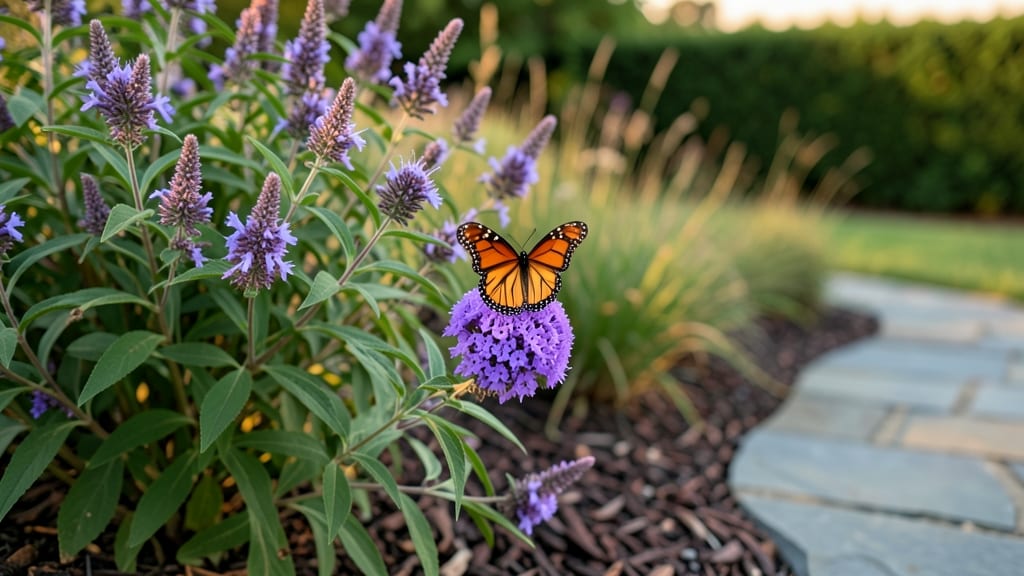
Creating a butterfly garden in your backyard turns your space into a vibrant, living ecosystem where wings flutter all season long. 🌸 I learned the hard way that random flowers won’t cut it—it takes intentional plant pairing to keep butterflies visiting from spring through fall.
The magic happens when you mix native blooms that provide nectar for adults and host plants for caterpillars, creating a cycle that sustains them.
You don’t need a large yard to make this work—even a small patch with 6-8 hours of sunlight and a shallow water source will attract pollinators.
Start with three easy layers: tall perennials like coneflowers for structure, mid-height blooms like milkweed for caterpillars, and low-growing annuals like alyssum for ground cover. The key is seasonal variety, so each plant has something to feed on as others fade.
By summer’s end, you’ll have a garden alive with color and movement—monarchs on milkweed, swallowtails on lilacs, and hummingbird moths hovering over evening primrose. The best part? You’ll watch your local butterfly population thrive while enjoying low-maintenance beauty that requires less fuss than a traditional garden.
This design works in any climate—just swap heat-tolerant plants in the South for cold-hardy varieties in the North. The principles stay the same: food, water, and shelter are all butterflies need to make your backyard their favorite stop.
📚 In This Guide
- What you need
- Instructions
- Tips and common mistakes
- Wrapping up and next steps
What you need
- ● Native flowering plants: 10–15 varieties (e.g., milkweed, coneflowers, butterfly bush, black-eyed Susans, and asters). Choose plants that bloom sequentially for year-round color.
- ● Host plants for caterpillars: 3–5 varieties (e.g., parsley, dill, or hosta for swallowtail butterflies). These are essential for butterfly reproduction!
- ● Soil amendments: Compost (2–3 bags) to enrich soil and improve drainage.
- ● Mulch: 2–3 cubic yards of organic mulch (e.g., wood chips or straw) to retain moisture and suppress weeds.
- ● Water source: A shallow dish, birdbath, or small pond with pebbles (to prevent drowning). Refill every 2–3 days.
- ● Perching spots: Flat rocks, branches, or a simple wooden stake for butterflies to rest.
- ● Garden trowel or spade (for planting)
- ● Pruners (for trimming dead foliage)
- ● Gloves (to protect your hands)
- ● Watering can or hose with a gentle spray nozzle
- ● Measuring tape (to space plants 12–24 inches apart)
- ○ Optional: Butterfly house (for shelter during harsh weather)
- ● 🌡️ Sunlight: Ensure your garden gets at least 6 hours of sunlight daily—butterflies love warmth!
- ● 🎯 Pesticide-free zone: Avoid chemicals; opt for natural pest control like neem oil.
- ● ✨ Color palette: Plant in purples, blues, and whites—butterflies are drawn to these hues!
Step-by-Step instructions for creating a thriving butterfly garden
Designing a backyard haven for butterflies starts with strategic plant selection and thoughtful layout.
🌱 Step 1: Select Native Perennials for Season-Long Blooms
Choose 4 varieties of native perennials that flower from early spring through fall. I prioritize milkweed (essential for monarch caterpillars), purple coneflower, black-eyed Susan, and bee balm—each attracts different butterfly species. These plants thrive in full sun to part shade and return year after year, reducing replanting work.
Space plants 18-24 inches apart to allow airflow and easy access for pollinators. Group similar blooming times together—this creates a "flower buffet" that keeps butterflies lingering longer. For example, pair early bloomers like swamp milkweed with mid-season butterfly weed and late-season goldenrod to extend the feeding window.
💧 Step 2: Prepare Soil and Plant for Optimal Growth
Amend your existing garden soil with 2 inches of compost and 1 cup of bone meal per planting hole to boost phosphorus for strong root development. Butterflies favor healthy, vigorous plants, so well-fed roots make all the difference. Dig holes twice as wide as the root ball but only as deep—planting too deep suffocates roots.
Water deeply after planting to settle the soil around roots, then maintain 1 inch of water per week during dry spells. I use drip irrigation to keep foliage dry, which prevents fungal diseases that can weaken plants and deter butterflies. Mulch with 2 inches of shredded bark to retain moisture and suppress weeds—just keep mulch 3 inches away from stems to prevent rot.
☀️ Step 3: Add Water Sources and Host Plants
Place a shallow birdbath or flat rock with damp sand in partial shade—this provides hydration without drowning delicate butterflies. I add a few pebbles to create uneven surfaces where butterflies can perch while drinking. Position the water source within 10 feet of flowering plants so pollinators don't have to travel far between meals and water.
Include host plants like parsley and dill for caterpillars, even if you don't cook with them. These plants serve as nurseries where butterflies lay eggs, ensuring the next generation thrives. I dedicate a small corner of the garden to these "messy" plants—they're worth the temporary chaos for the long-term benefits.
✂️ Step 4: Maintain with Pollinator-Friendly Practices
Deadhead spent blooms every 2-3 weeks to encourage continuous flowering. This simple task prevents seed formation and redirects plant energy into producing more nectar-rich flowers. Avoid pesticides entirely—even "organic" sprays can harm butterflies. Instead, handpick pests like aphids when populations get out of control.
Leave some leaf litter and bare soil patches in shaded areas. These microhabitats provide shelter for overwintering butterflies and chrysalises. I resist the urge to tidy up completely—nature's "mess" often hides the most important stages of a butterfly's life cycle.
🪴 Step 5: Expand with Annuals and Seasonal Accents
Fill gaps between perennials with annuals like zinnias and cosmos for instant color and extra nectar. These fast-growing plants bloom quickly and attract butterflies within 6-8 weeks of planting. I choose varieties with flat or shallow flowers—these designs make it easier for butterflies to access nectar.
Add 3-4 ornamental grasses like little bluestem for winter interest and shelter. Their upright forms create windbreaks while providing perching spots. Plant grasses at the garden's perimeter to define the space naturally. This layered approach ensures your butterfly garden remains vibrant and functional year-round.
Tips & tricks for perfect butterfly garden backyard
Creating a thriving butterfly garden takes more than just planting flowers—it's about understanding the subtle details that make pollinators feel truly at home.
Plant Diversity is Non-Negotiable: While the core four perennials (milkweed, purple coneflower, black-eyed Susan, and bee balm) form your foundation, I recommend adding 2-3 additional native species to create a true pollinator buffet. Consider lupine for early spring or asters for fall—each species attracts different butterfly varieties. The more diversity, the longer butterflies will linger in your garden.
Soil Preparation Makes All the Difference: Don't skip the 2 inches of compost and 1 cup of bone meal in Step 2—these amendments create the nutrient-rich environment butterflies crave. I've seen gardens fail because of poor soil, even with beautiful plants. Test your soil first if possible; aim for a pH between 6.0-7.0, which most native plants prefer. The right soil gives your plants the strength to produce abundant nectar.
Water Source Placement is Strategic: When adding your water feature in Step 3, position it near 3-4 different plant varieties rather than isolated from your garden. Butterflies are creatures of habit—they'll establish favorite routes between food and water sources. I place mine between my milkweed and bee balm, creating a natural traffic pattern that keeps them coming back. The 10-foot rule ensures they don't have to expend energy traveling far between essential resources.
Seasonal Layering Creates Year-Round Appeal: The annuals you add in Step 5 shouldn't just fill gaps—they should extend your garden's value. Choose varieties with staggered bloom times: plant zinnias in early summer for immediate impact, then add cosmos later in the season. This creates continuous nectar production when perennials might take brief breaks between blooming cycles. The 6-8 week bloom window for annuals becomes your garden's insurance policy against seasonal gaps.
Pro Tips for Butterfly Garden Backyard
- Creating a thriving butterfly garden takes more than just planting flowers—it's about understanding the subtle details that make pollinators feel truly at home.
- Consider lupine for early spring or asters for fall—each species attracts different butterfly varieties.
- Soil Preparation Makes All the Difference: Don't skip the 2 inches of compost and 1 cup of bone meal in Step 2—these amendments create the nutrient-rich environment butterflies crave.
Frequently asked questions
How do I attract butterflies to my backyard garden?
Plant native, nectar-rich flowers like milkweed (for monarchs), coneflowers, and butterfly bush. Add shallow water sources (like a birdbath with rocks) and avoid pesticides. Butterflies thrive in sunny spots with diverse host plants for caterpillars. Pro tip: Cluster plants in groups of 3+ for better visibility!
When is the best time to plant a butterfly garden?
Spring or early fall is ideal for planting perennials and annuals. Start with milkweed (monarch caterpillar host) in spring, then add nectar plants as they bloom. Troubleshoot: If planting in summer, water deeply and mulch to retain moisture until roots establish.
Can I create a butterfly garden in a small space?
Use containers, vertical gardens, or window boxes. Choose compact plants like fuchsia, lantana, or butterfly weed. Even a balcony with a few potted flowers can support pollinators. Alternative: Hang a "butterfly feeder" (sugar water + fruit) for extra appeal!
What do I do if I don’t see butterflies after planting?
Wait 4–6 weeks for established blooms. Check for missing host plants (caterpillars need specific leaves!). Avoid pruning until late summer (when butterflies need nectar). Troubleshoot: Ensure no pesticides are nearby—even "organic" sprays can harm butterflies.
Are there low-maintenance butterfly garden alternatives?
Yes! Opt for drought-tolerant plants like yarrow or black-eyed Susan. Use mulch to reduce weeding, and group plants by water needs. Native grasses (like switchgrass) add texture with minimal care. Bonus: Let some "wild" areas grow—butterflies love untamed patches!
Wrapping up and next steps
Creating a butterfly garden backyard is more than just a hobby—it’s a gift to nature and your local ecosystem!
With the right plants, design, and care, you’ll transform your space into a pollinator paradise that thrives year-round. 🌸 Whether you’re a seasoned gardener or just starting, every small step makes a difference.
Ready to take the next step? Start small—pick one corner of your yard, gather your supplies, and let your garden grow! Watch as butterflies, bees, and hummingbirds turn your backyard into their favorite stopover. Happy planting! 🌿