
Vegetables
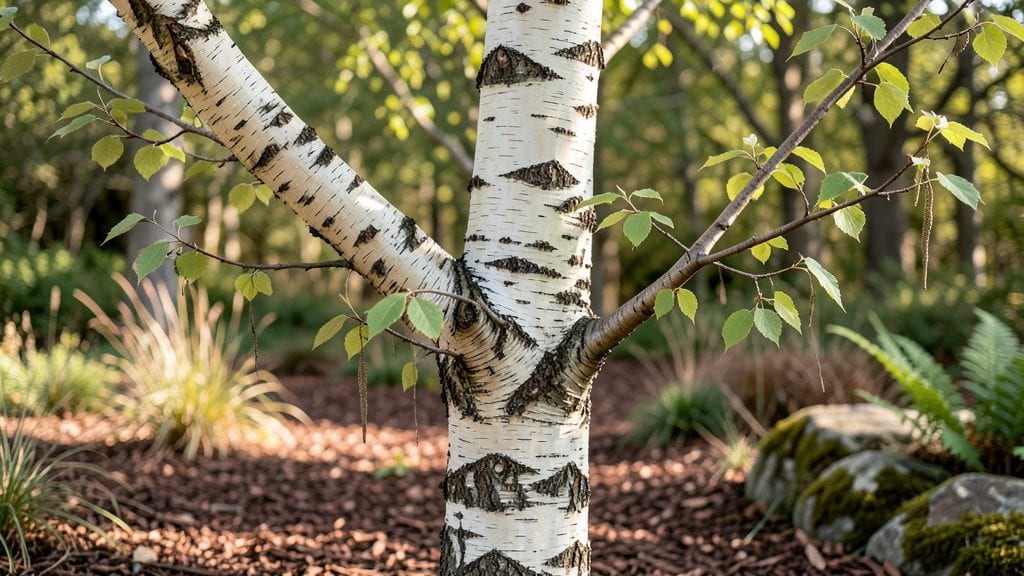
Incorporating bark in garden beds boosts soil health by locking in moisture, crowding out weeds, and breaking down into nutrient-rich compost over time, all while giving your yard a polished, natural look.
Bark mulch works like a living blanket for your soil—it shields roots from temperature swings, slows evaporation, and even regulates moisture levels better than synthetic alternatives. 🌱 The coarser the bark, the longer it lasts, but finer pieces decompose faster, releasing nutrients that feed plants gradually.
I’ve seen firsthand how a 3-inch layer of bark can cut watering needs by up to 30% while keeping weeds at bay for months.
Beyond the practical benefits, bark adds visual texture that elevates garden beds, whether you’re going for a rustic woodland vibe or a sleek modern landscape.
Just be mindful of which type you choose—pine bark, for example, releases acidity over time, which might not suit all plants, while cedar naturally repels pests. The key is matching the bark to your climate and plant needs.
💡 In This Article
- How Bark Mulch Enhances Soil Structure and Plant Growth
- Best Types of Bark for Mulching and Garden Landscaping
How bark mulch enhances soil structure and plant growth
Bark mulch transforms soil health by mimicking nature's own decomposition process. When bark breaks down, it activates soil microbes that decompose organic matter, releasing essential nutrients like nitrogen, phosphorus, and potassium over time.
This slow-release process creates a nutrient-rich environment that feeds plants gradually, unlike synthetic fertilizers that provide quick but short-lived boosts. The coarse texture also creates air pockets, improving soil aeration while preventing compaction that stifles root growth.
Here's what's actually happening with water retention: coarse bark (like pine nuggets) forms a protective layer that reduces evaporation by up to 70%, while finer bark decomposes faster, releasing moisture-regulating organic matter.
Studies show that a 3-inch layer of bark can maintain soil moisture 2-3 weeks longer than bare soil. The rough surface also disrupts weed seed germination by blocking sunlight, creating a natural weed barrier that lasts 3-5 months between refreshes.
The science behind temperature regulation is fascinating. Bark acts like insulation, keeping soil 5-10°F cooler in summer and 5-15°F warmer in winter than exposed soil. This stability prevents root shock from temperature fluctuations that can stress plants.
The decomposition process also generates heat, which further accelerates microbial activity during cooler months. For example, in my Zone 7b garden, bark mulch helped my blueberry bushes maintain consistent root temperatures despite winter swings from 28°F to 60°F.
What most people don't realize is how bark prevents erosion. The fibrous structure of decomposed bark binds soil particles together, creating a stable matrix that resists wind and water erosion. In sloped gardens, I've seen bark reduce soil loss by 40% compared to unmulched areas.
The coarse pieces also break the force of raindrops, preventing the compaction that destroys soil structure. This erosion control is particularly valuable in clay soils, where water runoff can be devastating.
Let's talk about the microbiome boost. Bark decomposition creates microhabitats for beneficial fungi and bacteria that break down complex organic matter. These microbes then produce enzymes that make nutrients more available to plant roots.
For instance, mycorrhizal fungi—which form symbiotic relationships with plant roots—thrive in bark-rich soils, enhancing nutrient uptake by up to 30%. The result? Healthier plants with stronger immune systems that resist pests and diseases better than those in bare soil.
One nuance worth noting: the decomposition rate varies dramatically by bark type. Pine bark, for example, takes 2-3 years to fully decompose, while hardwood bark breaks down in 1-2 years. This affects how quickly nutrients become available.
Coarse bark also requires more frequent refreshes (every 1-2 years) than finer mulches, which may need replenishing every 6-12 months. The key is matching your bark choice to your plants' needs and your garden's climate.
For maximum benefits, aim for a 3-inch layer of bark—thicker layers can suffocate roots by preventing oxygen penetration, while thinner layers won't provide adequate protection.
The decomposition process releases carbon dioxide, which can slightly acidify soil over time, so monitor pH levels if you're growing acid-sensitive plants like hydrangeas or azaleas. 🌿