
Watering
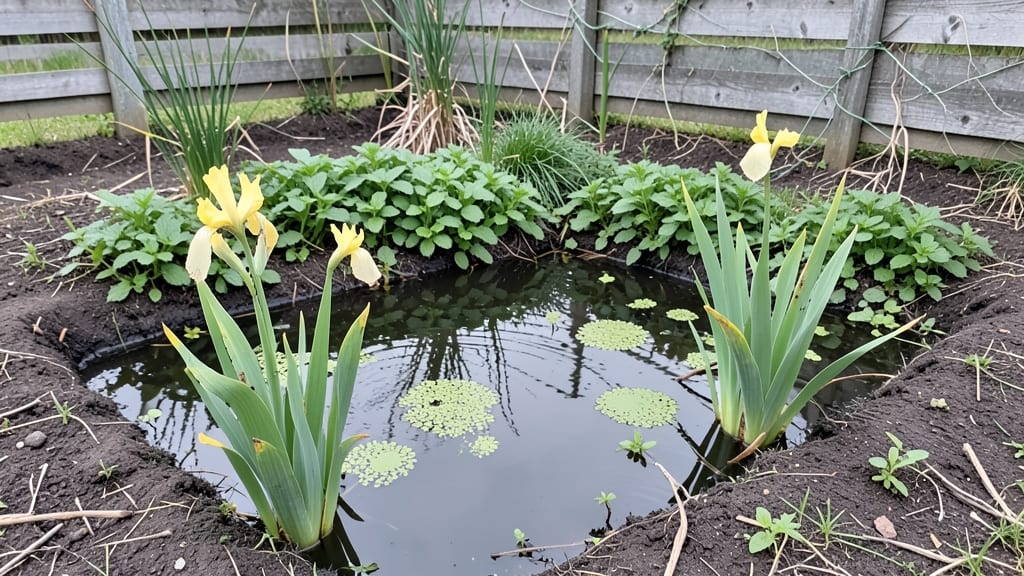
A backyard water garden transforms your yard into a peaceful retreat where the sound of moving water replaces the hum of daily life. 💧 I designed mine after watching my stress melt away near a local pond, and now my space feels like a hidden sanctuary just steps from the house.
The key is balancing beauty with simplicity—no need for a massive pond to create that calming effect.
Start with a small but deep basin (at least 18 inches deep) to accommodate fish and aquatic plants, and place it where you’ll see it daily—morning coffee by the water or evening reading with the gentle ripple of leaves.
Marginal plants like cattails and water lilies add texture, while hardy fish like koi or goldfish keep the ecosystem thriving. The magic happens when you let nature do most of the work.
You’ll end up with a space that feels like a private escape, where dragonflies dart above the surface and the air hums with the scent of damp earth and blooming lotus. Water quality stays clean with minimal maintenance, and the right plant-fish balance means fewer algae headaches.
The best part? It grows more beautiful each season as the plants mature and the fish become familiar faces.
Works in any yard size—even a 5x5-foot container garden can create the same sense of tranquility. The secret is starting small, observing what thrives, and letting your water garden evolve naturally. Ready to dive in?
📚 In This Guide
- What you need
- Instructions
- Tips and common mistakes
- Wrapping up and next steps
What you need
- ● Pond Liner: EPDM rubber or PVC (size depends on pond depth; typically 45–60 mil thickness for durability).
- ● Underlayment: Pond underlayment fabric (1 piece, slightly larger than your liner for extra protection).
- ● Pump & Filter System: Submersible pump (1/4–1/2 HP, depending on pond size).
- ○ UV clarifier (optional but recommended for algae control).
- ● Pre-filter sponge or bio-media bag (1–2 units).
- ● Rocks & Gravel: Landscape fabric (to prevent liner punctures).
- ● Medium-sized rocks (1–2 bags, ~50 lbs each) for edging and waterfall features.
- ● Pond gravel (1–2 bags, ~50 lbs each) for drainage layers.
- ● Aquatic Plants: Floating plants (e.g., water lilies, 3–5 plants).
- ● Marginal plants (e.g., cattails or irises, 2–4 plants).
- ● Submerged plants (e.g., anacharis or hornwort, 1–2 bundles).
- ○ Fish (Optional but Recommended): Cold-water fish (e.g., koi or goldfish, 2–4 fish per 100 gallons).
- ● Fish food (pellets or flakes, small quantities for initial stocking).
- ● Waterfall kit (if adding a feature, includes pump, tubing, and rocks).
- ● LED pond lights (solar-powered or battery-operated for ambiance).
- ● Fountain or bubbler (for extra aeration and visual appeal).
- ● Pond vacuum (for maintenance, 1 unit).
- ● Decorative bridges, statues, or driftwood (for aesthetic touches).
- ● Location: A flat, partially shaded spot (4–6 hours of sunlight/day).
- ● Power Access: Nearby outlet for pump/filter (or solar-powered alternatives).
- ● Water Source: Garden hose or nearby water supply for filling.
- ● Time: 1–2 weekends for digging, lining, and planting.
Step-by-Step instructions for building a backyard water garden
Here's how to create a balanced, thriving water feature that attracts wildlife and soothes your senses.
🪴 Step 1: Select and Prepare the Perfect Location
Choose a spot that gets 4-6 hours of sunlight daily—most aquatic plants need this for healthy growth. Avoid areas with large trees that drop leaves or seeds, which can clog your water feature. I like to test locations by placing a 5-gallon bucket there for a week to check for standing water (a red flag for poor drainage).
For a 4-person water garden, aim for a 6x6-foot area—this gives enough space for plants, fish, and easy maintenance. Clear the area of grass or weeds, then level the ground with a garden rake. A slight slope toward the center helps water flow naturally if you add a small waterfall later.
💧 Step 2: Install the Pond Liner and Structure
Lay your pond liner (pre-cut to size) over the leveled area, tucking edges into the soil to prevent shifting. For a 6x6-foot pond, use a liner that’s at least 48x48 inches with a 24-inch deep center for fish. Smooth out wrinkles by adding rocks or sand underneath—this prevents punctures and creates a clean base.
Place your pre-formed pond shell (if using one) or create a rock-lined basin by stacking large stones in a shallow, wide curve. Leave 12-18 inches of liner exposed around the edges—this makes future repairs easier. Test the liner’s fit by filling it with 2-3 inches of water and checking for leaks or sagging.
🌿 Step 3: Add Water and Essential Aquatic Plants
Fill the pond with dechlorinated water (use a water conditioner if tap water has chlorine) until it reaches 12-18 inches deep in the center. Add 1-2 inches of pond sand to the bottom first—this helps anchor plants and prevents muddy water. For a 4-person garden, plant 3-5 marginal plants (like water lilies or cattails) around the edges where they’ll get sunlight but stay partially submerged.
Place 2-3 submerged plants (like anacharis or hornwort) in the deeper sections—they’ll oxygenate the water and provide fish with shade. Avoid overcrowding; plants should have 6-12 inches of space between them. Skim off any debris floating on the surface before adding fish to keep the water clean.
⏰ Step 4: Introduce Fish and Balance the Ecosystem
Wait 2-3 weeks after planting before adding fish—this gives plants time to establish roots and stabilize the water. Start with 3-4 small koi or goldfish (avoid overstocking—each fish needs 10 gallons of water). Release them gently into the water, letting them swim freely before covering the pond. Monitor their behavior for 24 hours to ensure they’re active and eating.
Add 1-2 beneficial bacteria treatments to the water to break down fish waste naturally. This prevents algae blooms and keeps the ecosystem healthy. If you notice cloudy water or excessive algae in the first few weeks, it’s normal—your garden is just balancing. Top off water levels as needed, but avoid drastic changes that stress the fish.
☀️ Step 5: Maintain for Long-Term Harmony
Check water quality weekly by testing for ammonia, nitrites, and nitrates—ideal levels are 0 ppm for ammonia/nitrites and <20 ppm for nitrates. Use a small pump and filter (if included) to circulate water and remove debris. Skim leaves and algae with a net every 2-3 days during peak growing seasons to prevent clogging.
Trim marginal plants seasonally to control their spread, and divide overgrown clumps every 2-3 years. In winter, remove dead foliage but leave submerged plants—they provide shelter for fish. If your pond freezes, use a pond de-icer to keep a small hole open for oxygen exchange. With consistent care, your water garden will thrive for years, offering a serene retreat and a home for wildlife.
Tips & tricks for perfect backyard water garden
A few simple strategies will help you create a thriving backyard oasis that stays balanced and beautiful for years.
Sunlight Strategy: The 4-6 hours of daily sunlight in Step 1 is non-negotiable for aquatic plants. I recommend marking your location with stakes at sunrise and sunset to track the sun's path—this helps you visualize how shadows will move across your garden throughout the day. If your spot gets less than 4 hours, consider adding floating plants like water hyacinths, which tolerate lower light conditions better than marginal plants.
Liner Installation: When installing your pond liner in Step 2, I can't stress enough how important it is to leave those 12-18 inches exposed around the edges. This isn't just for repairs—it prevents the liner from being crushed by soil weight over time. I've seen many ponds fail because homeowners buried the liner completely, leading to punctures that took months to discover. Use landscape staples to secure the edges instead of burying them.
Planting Balance: In Step 3, that 6-12 inches of spacing between plants might seem generous, but it's crucial for long-term health. Overcrowded plants compete for nutrients and sunlight, leading to weak growth and poor oxygenation. I like to use a small stick to mark planting spots before adding water—this makes it easier to maintain proper spacing once the pond is filled. For a 4-person garden, this spacing also creates natural swimming zones for your fish.
Fish Introduction: The 2-3 week waiting period before adding fish in Step 4 is your safety net for a stable ecosystem. During this time, I recommend testing your water daily with a simple test kit. If you see ammonia or nitrites appear, it means your beneficial bacteria treatments need more time to establish. Don't rush—adding fish too soon can cause toxic spikes that harm them. I've learned this the hard way after losing fish in my first attempt!
Pro Tips for Backyard Water Garden
- A few simple strategies will help you create a thriving backyard oasis that stays balanced and beautiful for years.
- Sunlight Strategy: The 4-6 hours of daily sunlight in Step 1 is non-negotiable for aquatic plants.
- Liner Installation: When installing your pond liner in Step 2, I can't stress enough how important it is to leave those 12-18 inches exposed around the edges.
Frequently asked questions
Got questions about creating your dream backyard water garden? You’re not alone! Here are some of the most common queries—plus straightforward answers to help you dive in with confidence.
What’s the best time of year to start a backyard water garden?
Spring or early fall are ideal! Spring lets you plant aquatic species before summer heat, while fall avoids peak bug activity. If you’re in a mild climate, you can start in late winter—just ensure temperatures stay above 40°F (4°C) for fish and plants.
Do I need fish to have a water garden?
Not at all! A water garden can thrive as a plant-only feature—think lotus, water lilies, or marginal plants like cattails. Fish add movement and balance algae, but they’re optional. Start with plants if you’re new to reduce maintenance.
How do I keep my water garden from getting murky?
Murky water usually means too much debris, algae, or poor circulation. Fix it by:
- Adding a fountain or aerator to oxygenate water.
- Pruning plants regularly to reduce organic buildup.
- Using a UV clarifier or barley straw to combat algae.
- Partially draining and refilling water every 6–12 months.
What’s the most budget-friendly way to build a water garden?
Skip preformed ponds! Use a DIY liner (like EPDM rubber) in a dug-out area with rocks for edges. Start small (3’x5’ works) and add plants/fish gradually. Thrift stores or local nurseries often have affordable containers (kiddie pools, troughs) for beginners.
Will frogs or other wildlife take over my water garden?
Wildlife might visit, but it’s usually harmless! Frogs eat mosquitoes, and dragonflies hunt pests. To discourage unwanted critters (like raccoons), add a fine mesh cover over plants or use a pond net. Embrace the ecosystem—it’s part of the charm!
How do I winterize a water garden?
Cold weather can damage plants and equipment. Prep with these steps:
Task
How-To
Drain partially
Lower water level to 6–12 inches below the liner’s edge to prevent ice damage.
Protect fish
Add an aerator or de-icer to keep water oxygenated.
Trim plants
Cut back dead foliage and remove tropical plants (they won’t survive frost).
Cover equipment
Store pumps and filters indoors or wrap them in insulation.
Wrapping up and next steps
Creating a backyard water garden is more than just a hobby—it’s an investment in tranquility, biodiversity, and natural beauty. Whether you’re drawn to the soothing sounds of water, the elegance of aquatic plants, or the joy of watching fish glide effortlessly, your oasis is now ready to flourish. 🌿
Ready to take the next step? Start small—sketch your design, gather your materials, and dive in! With patience and care, your water garden will become a serene escape you’ll cherish for years. Happy gardening! 💦✨
- Next steps:
- Research local aquatic plants and fish species.
- Join gardening forums for inspiration and tips.
- Schedule a maintenance routine to keep your garden thriving.