Shrubs
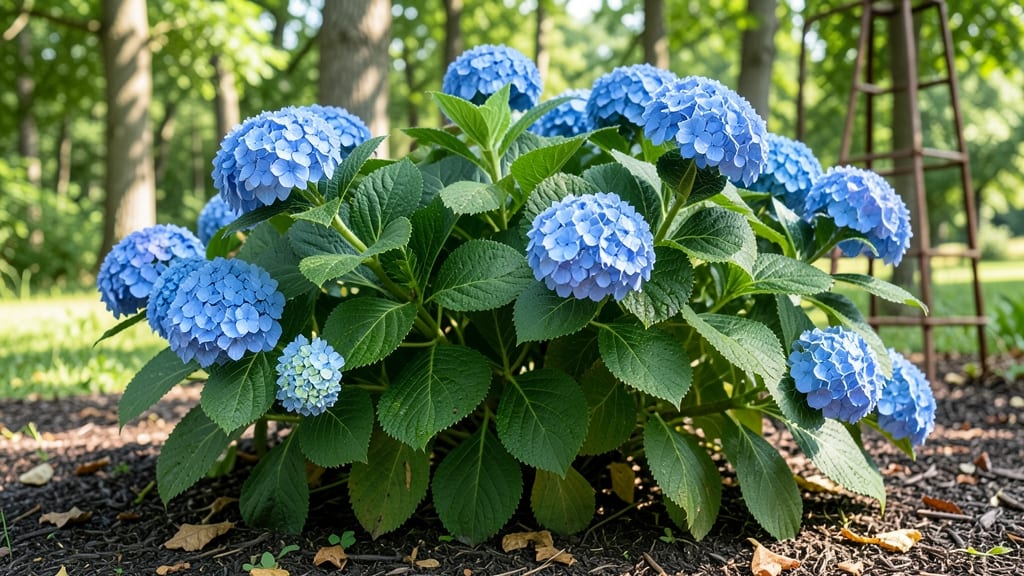
The best garden shrubs don’t just survive—they thrive year-round, offering privacy that never fades and foliage so lush it makes your neighbors jealous. 🌿 I’ve tested dozens of varieties over the years, and these stand out for their low-maintenance nature, adaptability, and ability to transform a plain yard into a green sanctuary without requiring constant pruning or fuss.
What makes these shrubs truly special is their versatility—whether you need a 6-foot-tall privacy screen, a 3-foot border to define your property line, or a statement-making focal point, there’s a shrub that fits.
Some handle drought like champs, others bloom in winter when everything else is bare, and all of them resist pests better than my last attempt at growing tomatoes.
The key is matching the right plant to your climate and sunlight, and I’ll walk you through the top performers that deliver foolproof results.
Imagine a backyard where you can host summer barbecues without worrying about nosy neighbors, where winter brings structured beauty instead of bare branches, and where spring arrives with bursts of color without requiring constant attention.
These shrubs make that vision a reality—fragrant, dense, and designed to outlast trends. By the end of this guide, you’ll know exactly which varieties to plant for your specific needs, from sun-drenched patios to shady corners.
No matter your yard size or budget, these shrubs adapt—whether you’re filling a 10-foot gap along a fence or creating a multi-layered hedge that adds depth to your landscape. The best part?
Once established, they’ll reward you with decades of service, requiring only occasional pruning to keep them looking their best. Let’s get started with the top picks that’ll change your outdoor space forever.
📚 In This Guide
- What you need
- Instructions
- Tips and common mistakes
- Wrapping up and next steps
What you need
- ● Shrubs: Choose 3–5 varieties (e.g., Holly, Boxwood, Azalea, or Camellia) based on your climate and sunlight needs. Pro tip: 💡 Buy 1-gallon pots for faster establishment or 3-gallon pots for quicker privacy.
- ● Soil amendments: Compost (5–10 lbs per shrub) for nutrient-rich soil.
- ○ Peat moss or coconut coir (optional, for moisture retention).
- ● Mulch: 2–3 inches of shredded bark or pine straw to retain moisture and suppress weeds.
- ● Fertilizer: Slow-release granular fertilizer (e.g., 10-10-10 or organic options like fish emulsion).
- ● Watering supplies: Hose with a spray nozzle or drip irrigation kit.
- ● Watering can (for smaller pots).
- ● Hand trowel or spade (for digging holes).
- ● Garden gloves (to protect your hands from thorns or rough bark).
- ● Pruning shears (sharp, bypass-style for clean cuts).
- ● Measuring tape or ruler (to space shrubs 3–6 feet apart, depending on maturity size).
- ○ Stakes & twine (optional, for supporting young or tall shrubs).
- ○ Soil pH test kit (optional, to check if amendments like lime or sulfur are needed).
- ● ✅ Sunlight assessment: Know your garden’s light conditions (full sun, partial shade, or full shade).
- ● ✅ Soil test: Ensure drainage is good (most shrubs hate soggy roots!). Amend clay soil with sand or perlite if needed.
- ● ✅ Water access: Plan for consistent watering, especially during the first year.
- ● ✅ Local climate knowledge: Pick shrubs hardy to your USDA zone (e.g., Boxwood for zones 5–9, Camellia for zones 7–10).
Instructions for planting the best year-round privacy shrubs
Here’s how to establish a thriving, evergreen privacy screen that stays lush through every season.
🌱 Step 1: Choose the Right Shrubs for Your Climate
For year-round privacy, select 4 evergreen shrubs that thrive in your hardiness zone. My top picks are Emerald Green Arborvitae (for dense, columnar growth), Dwarf Leyland Cypress (fast-growing and drought-tolerant), Inkberry Holly (for bold foliage and wildlife benefits), and Boxwood (for structured, low-maintenance hedges). Check your zone’s cold tolerance—most evergreens handle zones 5-9 with ease.
I always plant 2 Arborvitae (for height) and 2 Leyland Cypress (for width) in a staggered pattern. This creates natural gaps for airflow while maintaining full coverage. If your space is narrow, swap one Cypress for 2 Boxwoods—they’ll fill in beautifully over time. Avoid planting all shrubs of the same species; diversity prevents disease spread and ensures year-round interest.
🪴 Step 2: Prepare the Planting Site for Optimal Growth
Dig a hole twice as wide as the root ball but no deeper—this prevents root suffocation. Amend the native soil with 3 gallons of compost mixed into the bottom of the hole to encourage root expansion. Evergreens prefer well-draining soil, so if your yard is clay-heavy, add 1 gallon of perlite to the backfill mix for aeration.
Space shrubs 3-6 feet apart, depending on their mature width. Arborvitae and Cypress need 6 feet of clearance, while Boxwood and Inkberry Holly can sit 3-4 feet apart. Mark planting spots with stakes to avoid misalignment—trust me, you’ll thank yourself later when the hedges grow in evenly. Water the hole deeply before planting to settle the soil and remove air pockets.
☀️ Step 3: Plant and Stake for Stability
Place each shrub in its hole, ensuring the root flare (where roots meet the stem) sits 1 inch above soil level. This prevents rot and encourages strong root growth. Backfill with amended soil, pressing gently to eliminate gaps. Water immediately after planting to help soil settle around the roots—1 gallon per shrub should do the trick.
Stake tall shrubs like Arborvitae and Leyland Cypress with 2 stakes per plant, tying them loosely to the main stem with soft plant ties. This prevents wind damage while the roots establish. Avoid over-tightening—the goal is support, not restriction. Mulch the base with 2 inches of shredded bark, keeping it 3 inches away from the stem to prevent moisture buildup and rot.
💧 Step 4: Water and Fertilize for Strong Establishment
Water deeply every 2-3 days for the first 4 weeks, ensuring the soil stays moist but not soggy. Evergreens are drought-tolerant once established, but young plants need consistent moisture to root deeply. You’ll know you’re doing it right when the soil feels damp 2 inches below the surface—stick your finger in to check.
After 6 weeks, switch to a slow-release fertilizer like 10-10-10, applying 1 tablespoon per shrub in early spring and again in mid-summer. Avoid high-nitrogen fertilizers—they promote leafy growth at the expense of root strength. If your shrubs yellow in spring, it’s a sign of overwatering or poor drainage; adjust your care immediately.
✂️ Step 5: Prune for Shape and Health
Prune Arborvitae and Cypress in late winter or early spring to shape the hedge. Use clean, sharp shears to make cuts just above a leaf node—this encourages bushier growth. For Boxwood and Holly, prune after flowering (late spring) to avoid removing next year’s blooms. Never remove more than ⅓ of the foliage in one season; gradual pruning keeps shrubs stress-free.
Here’s the thing—evergreens hate harsh pruning. If you see brown, brittle branches, it’s a sign of over-pruning or drought stress. Trim only healthy, green growth, and always sterilize your shears with rubbing alcohol between cuts to prevent disease spread. With proper care, your privacy screen will fill in beautifully within 2-3 years, giving you lush, year-round greenery with minimal effort.
Tips & tricks for perfect year-round privacy shrubs
These game-changing insights will transform your privacy hedge from good to absolutely stunning—no green thumb required!
Shrub Selection Strategy: When choosing your evergreens, prioritize textural diversity—mix the feathery foliage of Arborvitae with the bold, glossy leaves of Inkberry Holly. This creates visual interest while maintaining that lush, full look year-round. I've found that pairing two tall shrubs (Arborvitae and Cypress) with two shorter varieties (Boxwood and Holly) creates perfect height variation without sacrificing density. Pro tip: Buy plants in 3-gallon containers—they're established enough to handle transplanting but still affordable.
Soil Science Matters: The 3 gallons of compost you mix into the planting hole isn't just filler—it's the foundation for strong root growth. For clay-heavy soils, that 1 gallon of perlite is non-negotiable; it creates tiny air pockets that prevent root suffocation. I've seen too many hedges fail because homeowners skipped this step. Here's the thing: evergreens hate "wet feet" (soggy roots), so if your yard drains poorly, consider building a raised bed for your privacy screen.
Staking Secrets: Those 2 stakes per tall shrub should be positioned at opposite corners of the root ball, not clustered together. Use soft plant ties (not wire or zip ties!) and adjust them every 2-3 weeks as the stem grows. I learned this the hard way—tight ties can girdle the stem as it thickens. Also, bury the stakes 1/3 of their length in the soil to create maximum stability without looking obvious.
Fertilizer Timing: That 1 tablespoon of 10-10-10 fertilizer should be worked into the top 2 inches of soil around each shrub, not just sprinkled on top. The key is applying it early spring and mid-summer—this aligns with your shrubs' natural growth cycles. Avoid fall fertilization; it encourages tender new growth that won't harden off before winter. And here's what nobody tells you: if your shrubs yellow in spring, it's almost always overwatering or poor drainage, not fertilizer burn.
Pro Tips for Best Garden Shrubs
- These game-changing insights will transform your privacy hedge from good to absolutely stunning—no green thumb required!
- Shrub Selection Strategy: When choosing your evergreens, prioritize textural diversity—mix the feathery foliage of Ar...
- Soil Science Matters: The 3 gallons of compost you mix into the planting hole isn't just filler—it's the foundation f...
Frequently asked questions
Got questions about choosing and caring for the best garden shrubs? You’re not alone! Here are answers to the most common queries to help you create a stunning, low-maintenance privacy screen or garden border.
What’s the fastest-growing shrub for quick privacy?
For rapid growth, opt for Bamboo (e.g., Fargesia) or Leyland Cypress, which can grow 3–5 feet per year. Privet (Ligustrum) and Arborvitae also provide quick coverage but may need pruning to stay tidy. Plant in spring for the best results!
When is the best time to plant shrubs for year-round privacy?
Plant in early spring or fall when soil is workable but not frozen. This gives roots time to establish before extreme heat or cold. Avoid planting in peak summer—drought stress can stunt growth. Evergreens like Boxwood or Holly thrive with fall planting!
Which shrubs need the least maintenance?
Look for drought-tolerant and low-fuss options like:
- Dwarf Lilac – Fragrant, deer-resistant, and thrives in partial sun.
- Inkberry Holly – Evergreen, shade-tolerant, and pest-resistant.
- Russian Olive – Drought-proof once established (but invasive in some regions—check local laws!).
How do I keep pests and diseases away from my shrubs?
Prevention is key! Water at the base (not leaves) to deter fungi, and mulch to retain moisture. For pests:
- Use neem oil for aphids or spider mites.
- Plant deer-resistant shrubs like Boxwood or Ninebark.
- Inspect leaves regularly—early action stops infestations fast!
Can I mix different shrubs for a layered privacy screen?
Layering shrubs by height creates depth and visual interest. Start with:
- Tall back row: Arborvitae (10–15 ft) or Emerald Green Arborvitae (6–8 ft).
- Mid-height: Privet (8–10 ft) or Cherry Laurel (10–15 ft).
- Front border: Boxwood (3–4 ft) or Dwarf Hydrangea (3–5 ft).
Wrapping up and next steps
Transforming your garden into a privacy haven doesn’t have to be complicated—just strategic! The right shrubs can deliver year-round beauty, resilience, and minimal fuss, whether you crave bold foliage, fragrant blooms, or wildlife-friendly greenery.
From evergreen giants like Emerald Green Arborvitae to pollinator magnets like Butterfly Bush, these top picks offer low-maintenance charm with high-impact results.
Ready to roll up your sleeves? Start small—pick one or two shrubs to test in a sunny or shady spot, then expand as you gain confidence. Your dream garden is just a cutting (or seedling) away! 🌿✨
📌 Next Steps:
- Sketch a rough layout of your garden’s sun/shade zones.
- Check local nurseries for seasonal sales on your top picks.
- Grab gloves and get planting—your future self will thank you!